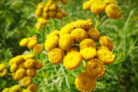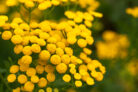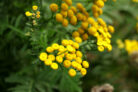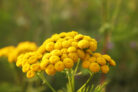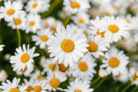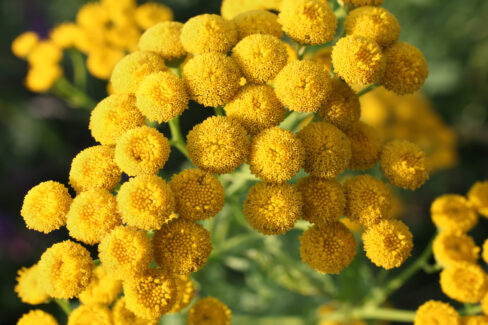
Tansy (scientifically known as *Tanacetum vulgare*) is a member of the aster family and a close relative of daisies. You’ll spot this hardy perennial all across the temperate regions of Europe and Asia. During the summer months, its bright yellow blooms light up open fields, riverbanks, and—if you’re looking for a pop of color—your very own backyard.
Growing Tansy in Your Garden
While it’s a wild plant at heart, tansy makes a great addition to a home garden. Depending on where you are, you might hear it called by a few old-fashioned nicknames like Golden Buttons or Bitter Buttons.
Because tansy spreads aggressively through underground runners and can send roots down as deep as 35 inches, I highly recommend using a root barrier or growing it in large containers. If you let it go wild, it might just take over! Here’s what tansy needs to thrive:
- A sunny to partially shaded spot
- Nutrient-rich soil with moderate nitrogen
- Soil that stays slightly moist but drains well
Appearance and Bloom Time
Tansy is a hardy, herbaceous perennial that can reach heights of up to 5 feet. Its dark green leaves are pretty tough to the touch and deeply lobed, which gives them a feathery look similar to a common fern. It’s incredibly winter-hardy, too; those underground rhizomes can handle a deep freeze without breaking a sweat.
Starting in July and lasting through September, the plant puts on a gorgeous show. It features clusters of bright yellow, button-like flower heads. Unlike daisies, these flowers don’t have long outer petals—they’re made up entirely of about 100 tiny tube-shaped florets packed into a “button” about half an inch wide. This unique look is the classic hallmark of the tansy plant.
Because the nectar is so easy to reach, these flowers are a favorite hangout for all sorts of beneficial insects. Once the blooming season wraps up between August and October, the plant produces seeds that are easily spread by the wind and local wildlife.
How to Use the Flowers and Leaves
Back in the day, tansy was used both fresh and dried as a medicinal herb. However, we don’t recommend consuming it anymore because it contains certain toxins. That said, it’s still incredibly useful! You can brew the leaves and flowers into a natural organic pesticide for your garden. Plus, many gardeners swear that the scent of dried tansy helps keep pesky mosquitoes away.