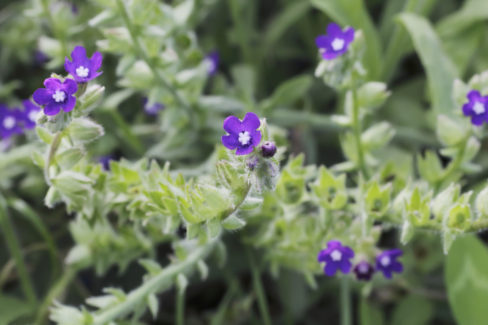
The Common Bugloss (botanical name *Anchusa officinalis*) is a member of the borage family that you’ll find all over Europe. While it was once a staple in old-school herbal medicine, most modern gardeners know it as a prolific bloomer that spreads like wildfire. Thanks to its incredibly long taproot, once it settles into your soil, it’s a tough guest to kick out!
Fun Facts About Common Bugloss
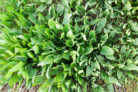
This hardy, low-maintenance plant gets its name from its wrinkled, hairy leaves, which—if you squint a little—look just like a cow’s tongue. From June through August, it puts on a show with clusters of vibrant blue flowers. It’s a fast grower, reaching heights of up to 30 inches. But the real “strength” is underground: its roots can dive nearly 4 feet deep into the earth, which is exactly why it’s so hard to get rid of.
Common Bugloss is what we call a “pioneer plant,” meaning it’s one of the first things to grow in disturbed or rocky soil. You’ll often spot it hanging out in places like:
- Grassy meadows
- The edges of farm fields
- Along hedgerows
- Vineyards
- Sand dunes
- Rubble or construction sites
Back in the day, people actually cooked with it (similar to borage) or used it as a calming medicinal herb. However, we know better now—because it contains certain toxins, it’s no longer recommended for eating or home remedies.
How to Manage Bugloss in Your Garden
Bugloss isn’t picky; it loves just about any soil type and spreads rapidly by dropping its seeds everywhere. Because it grows so fast, it can easily crowd out your favorite herbs and perennials. If it hitches a ride into your lawn, it can be a real headache since that long taproot is a pain to dig out. In the grass, your best bet is frequent mowing and keeping your lawn well-fertilized to help the grass outcompete the weeds.
If you already have Bugloss popping up in your flower beds or lawn, digging it out is the most effective solution. A weed puller can help, but for those really deep roots, you’ll probably need a sturdy spade. If you want to stay ahead of the game, try “deadheading”—cut off the flower heads before they go to seed. This stops the plant from spreading new babies all over your yard next year.
Using Bugloss as a Groundcover
Believe it or not, some gardeners actually love Bugloss! It can make a great, low-maintenance groundcover if you choose the right variety. There are shorter versions (growing to about 8 inches), like Italian Bugloss or Cape Bugloss, which are just as hardy as the common type. Plus, the flowers are a total magnet for pollinators. Their unique shape actually acts as a “security gate,” keeping out unhelpful insects while providing a feast specifically for honeybees, wild bees, and bumblebees.