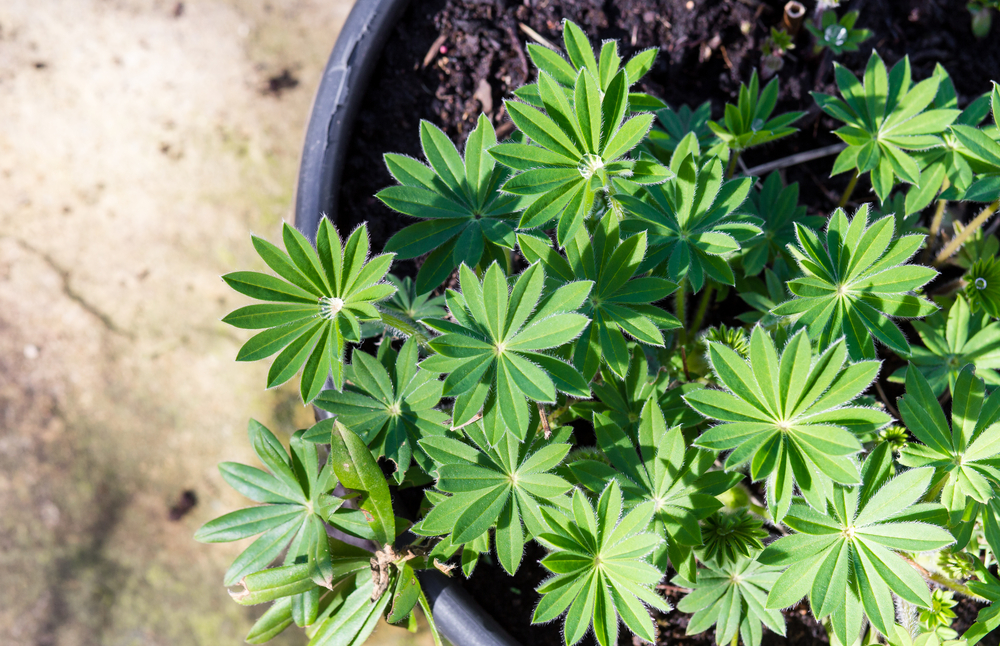
Lupines are famous for being the showstoppers of the flower bed, but did you know some varieties are actually garden superheroes? While they might not all have those flashy, colorful spikes, certain types of lupines work wonders underground to boost your soil quality. If you’re looking for a natural way to prep your garden, using lupines as “green manure” is a total game-changer.
Loosening Up the Soil
Growing specific lupine varieties in your garden is a smart move for a few reasons. Varieties like the yellow lupine have incredibly long taproots that dive deep into the earth. These roots act like natural drills, punching through compacted, hard soil layers to loosen everything up far better than a tiller ever could.
A Natural Nitrogen Boost
Those long roots aren’t just for aeration; they’re also the secret to the lupine’s fertilizing power. Since lupines are legumes (cousins to beans and peas), they have a special partnership with soil bacteria. These bacteria live along the roots and pull nitrogen from the air, converting it into a form that both the plant and the soil can use. Because they make their own “food,” lupines don’t drain nutrients from your garden—they actually add to the bank!
Mulching and Tilling Under
Once the lupines have done their job and enriched the soil with nitrogen, you can cut them down and tilled the foliage right back into the earth. As the leaves and stems break down, they add organic matter and release even more nutrients. Plus, those deep roots will eventually decompose underground, leaving behind tiny tunnels that keep the soil airy and healthy.
Great for Any Season
One of the best things about lupines is how tough they are. Since they’re cold-hardy, you can use them for green manuring even late in the season. They’re a favorite for “cover cropping” in the fall after you’ve finished harvesting your veggie patch.
Here’s a quick recap of why lupines are a soil’s best friend:
- Their long roots naturally break up and aerate tough soil.
- Root bacteria provide a massive nitrogen boost.
- Tilling the plant remains back into the ground provides organic, nutrient-rich fertilizer.