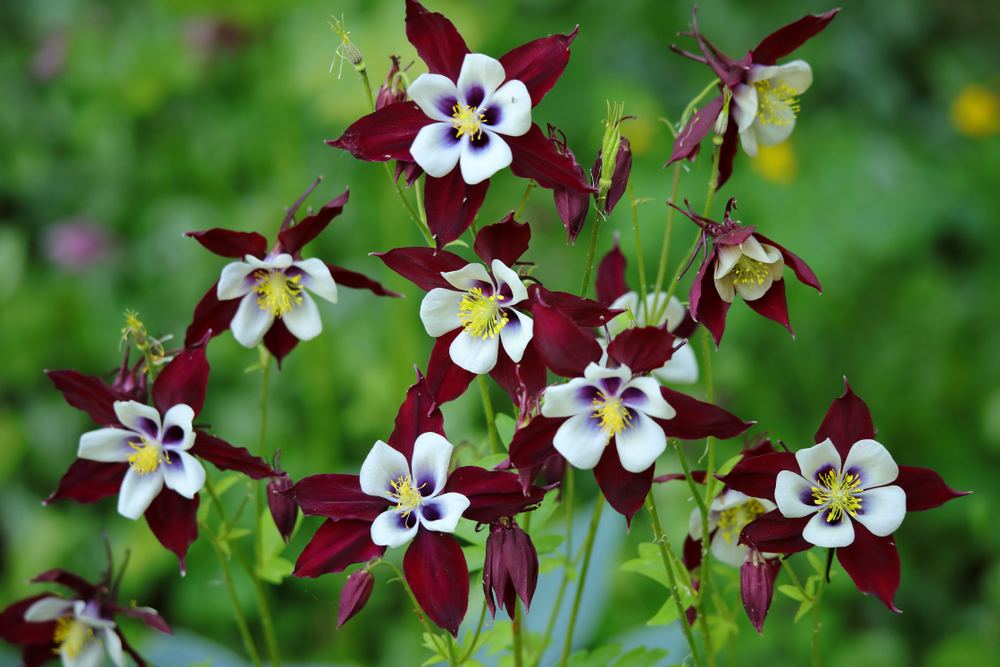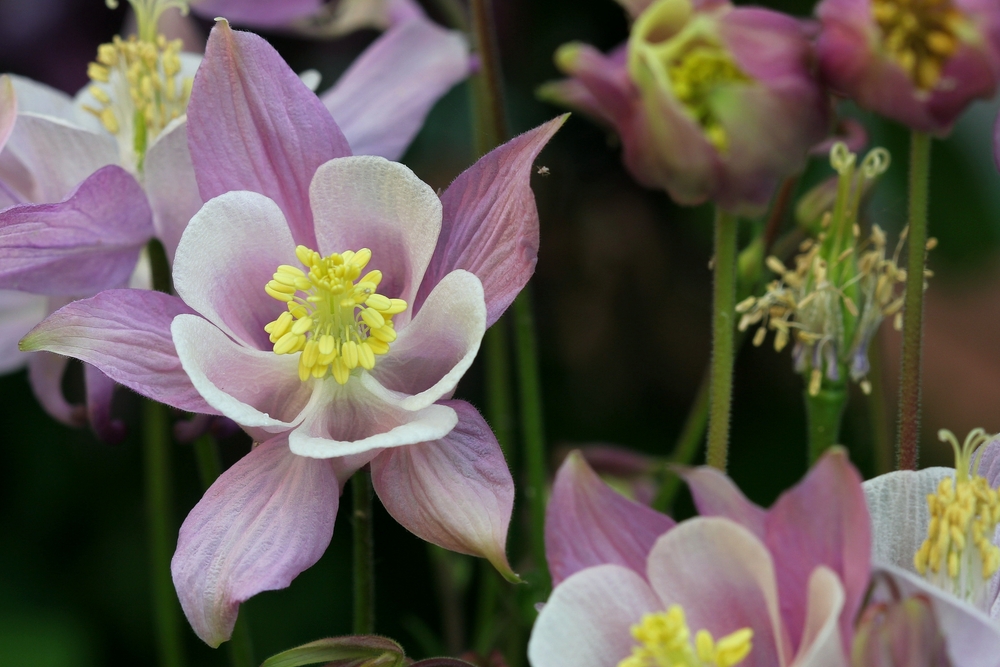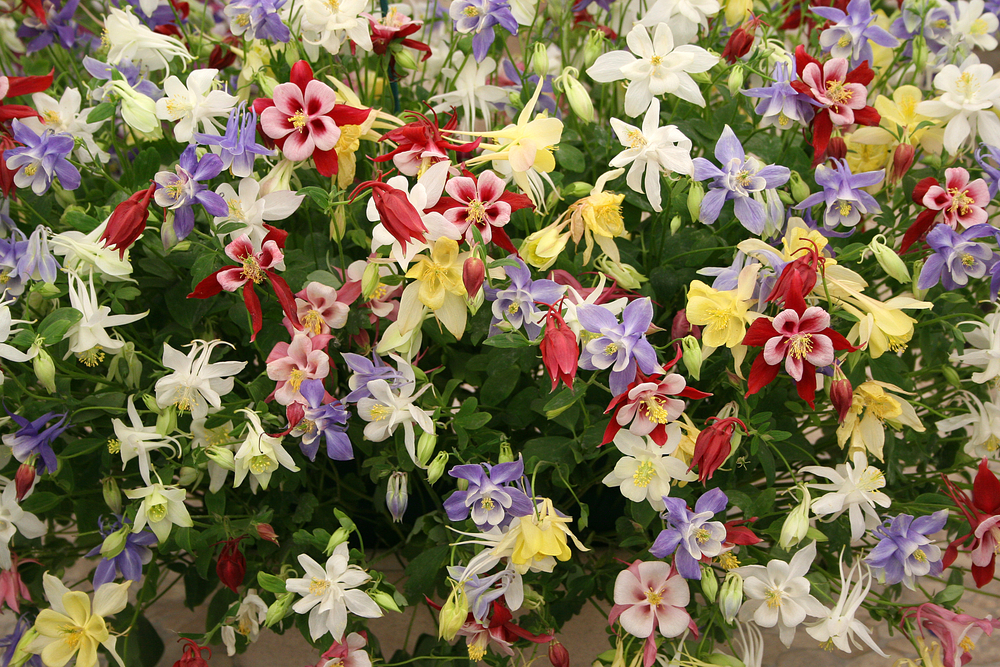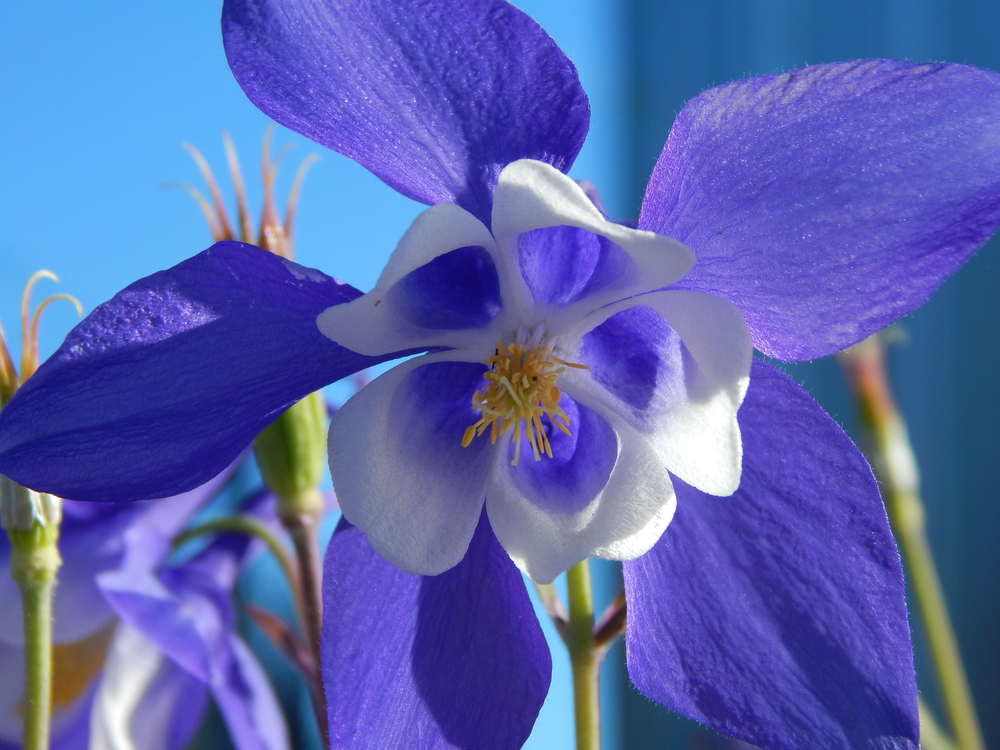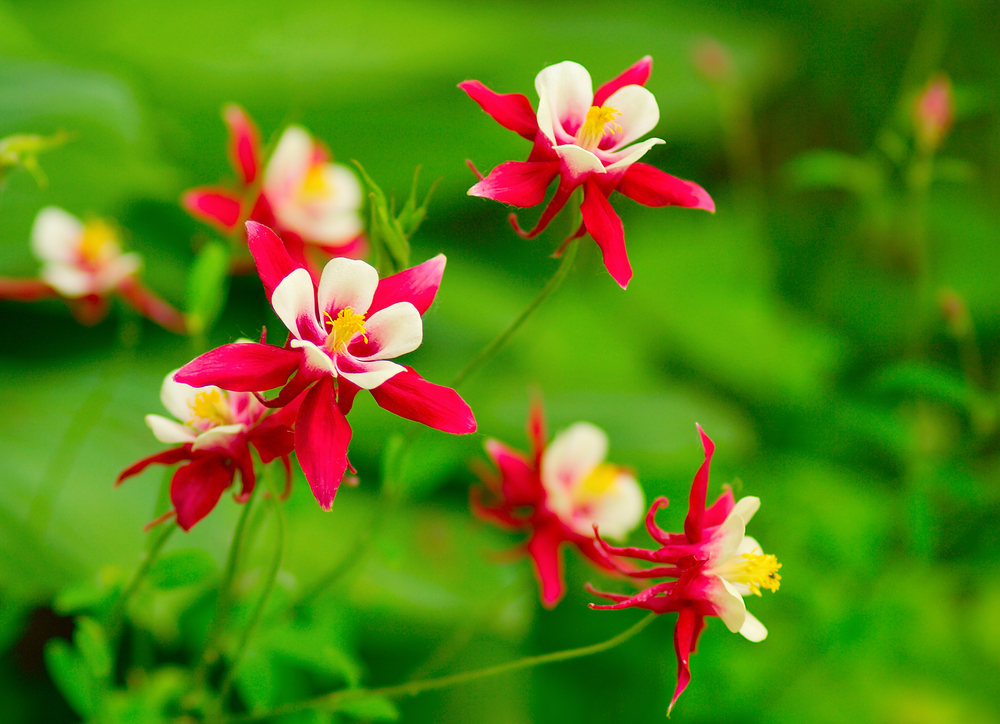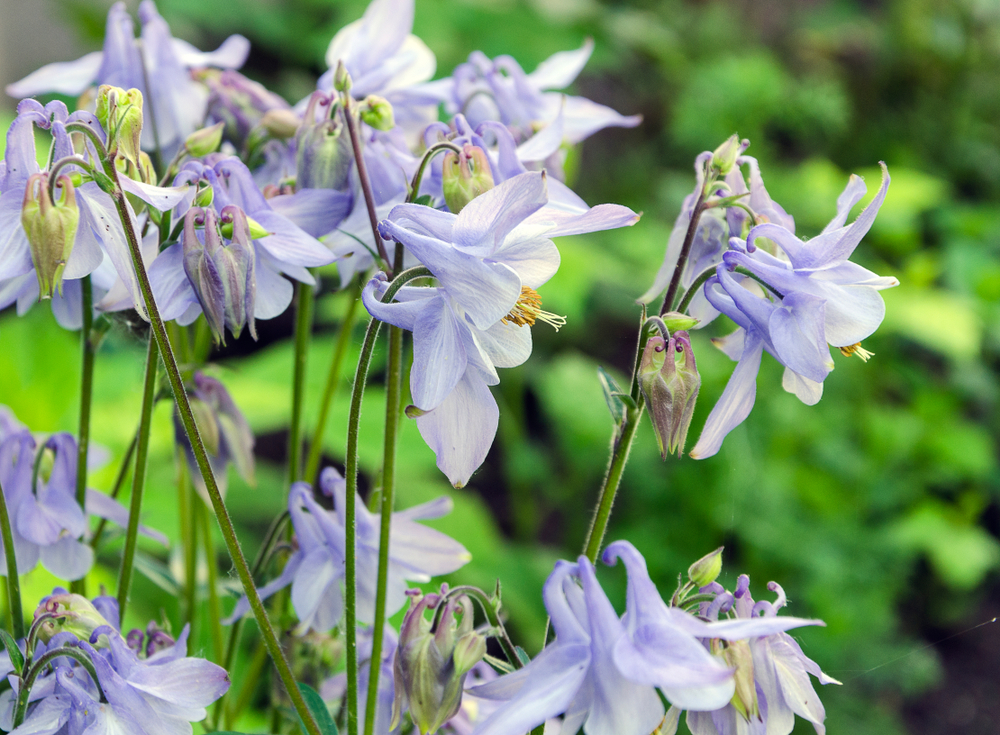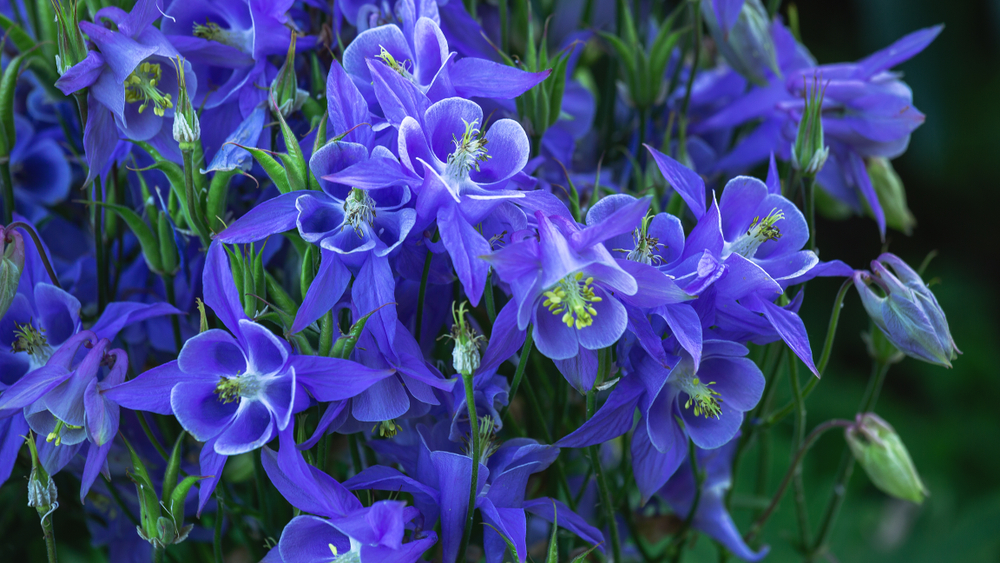
Columbine is a total classic in cottage gardens and romantic landscapes. With their unique, almost alien-looking blooms and a massive range of colors—whether they’re single or double-petaled—they always manage to steal the show. You might know them by whimsical folk names like “Granny’s Bonnet” or “Columbine,” and while they love to self-seed and wander around your yard, growing them yourself from collected seeds is actually a breeze.
What You Need to Know About Columbine Seeds
Once those beautiful flowers fade on their long stems, slender seed pods develop between July and August, packed with countless tiny seeds. These seeds are oval, smooth, and a deep black color. One very important thing to keep in mind: they are toxic. As members of the buttercup family (Ranunculaceae), every part of the Columbine plant is poisonous, but the seeds pack the highest concentration of toxins like magnoflorine and a glycoside that can turn into hydrogen cyanide in the body. If ingested, they can cause nausea, vomiting, or even heart palpitations, so keep them away from curious pets and kiddos!
If you want to grow your own, you can grab a packet at your local garden center or harvest them from plants you already have. You’ll know they’re ready when you can hear the seeds rattling inside the dry pods. Just harvest them, store them in a cool, dry spot, and they’ll be ready for planting next spring.
How to Sow Your Seeds
Planting Columbine is super straightforward. Here’s how to get the best results:
- First, decide if you want to start them indoors or sow them directly in the garden.
- Start indoors around February or March; for outdoor sowing, wait until April or May.
- Fill a seed tray with high-quality starter mix, or prep your garden bed by removing weeds, loosening the soil, and mixing in some compost.
- Pro tip: Mix the tiny seeds with a little bit of sand before sowing so they don’t clump together too much.
- Scatter the seeds across your tray or garden bed.
- Cover them with about 1/4 inch (5 mm) of soil and press down lightly.
- Use a spray bottle or a fine mist setting on your hose to water them so you don’t wash the seeds away.
- Keep the soil consistently moist for the next 4 to 6 weeks while they germinate.
- If starting indoors, keep the tray in a bright spot at around 68°F (20°C).
Keep in mind that some varieties are “cold germinators.” These seeds actually need a little “winter” simulation in the fridge before planting to trigger them to sprout.
The Self-Seeding Surprise
If you leave the seed pods on the plant after the flowers fade, they’ll eventually burst open and scatter seeds all over the place. The wind helps out, too! Before you know it, you’ll have baby Columbines popping up all over your garden. While it’s charming, it can become a bit much since they’ll grow just about anywhere—even in cracks in a stone wall. If you don’t want a Columbine takeover, just deadhead the spent flowers before the seed pods have a chance to ripen.