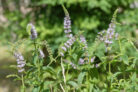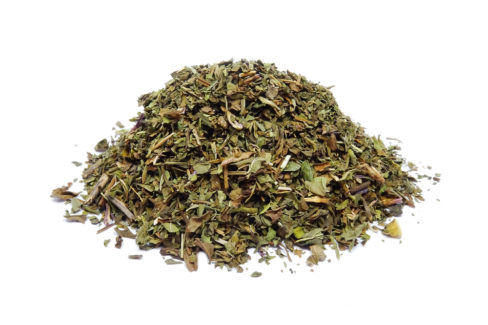
Most of us are used to snipping off mint sprigs one by one for our tea or mojitos. But if you let a few stems do their own thing, they’ll reward you with lovely flowers and a bounty of seeds. It’s pretty amazing when you think about it—each tiny little speck holds the entire blueprint for a lush, fragrant plant!
How to Harvest Your Seeds Like a Pro
Good news: you don’t have to stop enjoying your fresh mint just to save some seeds. You only need to let a few stalks reach the flowering stage. Those few stems will produce more than enough seeds to fill an entire garden bed! Just let the flower spikes wither naturally on the plant, and then follow these simple steps:
- Snip off the dried flower spikes. Try to keep them upright so the seeds don’t spill out early.
- Spread the spikes out on some newspaper and let them air dry for about two days.
- Rub the small flower heads off the stems over a bowl or a clean sheet of paper.
- Gently rub the flower heads between your palms to release the seeds.
- Now, you’ll want to separate the seeds from the chaff (the leftover plant bits)—a fine sieve works great for this.
- Let the cleaned seeds dry on the newspaper for a few more days just to be safe.
Quick Tip:
While “wild” or heirloom species grow beautifully from seed, hybrid varieties—like the super popular Peppermint—can be a bit finicky. If you’re dealing with hybrids, you’re better off propagating them with cuttings instead.
Storing Your Seeds
Once your seeds are separated and have dried out for a few days, they’re technically ready to go. However, you’ll want to wait for the perfect moment to start sowing. If you’re starting them indoors, March is your sweet spot. For direct sowing outdoors, wait until mid-May when the soil has warmed up.
Until then, keep your seeds in a glass jar in a cool, dry, and dark place. This goes for store-bought seed packets, too—keep them sealed and tucked away in the same conditions until you’re ready to plant.
Buying or Swapping Seeds
If you don’t have a mint plant yet, you can head to the garden center or ask a fellow gardener for a “donation.” A good nursery will have specific varieties labeled, so you know exactly what you’re getting. Be careful with supermarket seeds or plants, though—they’re often just labeled “Mint,” which is a bit of a mystery bag! If you’re grabbing seeds from a neighbor, you might have to do a little detective work to figure out exactly which variety it is based on the leaves and scent.
Tips for Sowing Mint Seeds
I highly recommend starting your seeds indoors in March. It gives the young plants a head start before they face the great outdoors. The process of sowing, thinning, and transplanting in May is pretty standard, but mint has a few specific quirks:
- Since the seeds are tiny, mix them with a little bird sand before sowing to help spread them evenly.
- Mint seeds are “light germinators.”
- This means you shouldn’t bury them! Just press them gently into the soil surface.
- They love warmth—aim for a germination temperature of at least 68°F (20°C).
- Be patient; they usually take about 14 days to sprout.