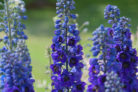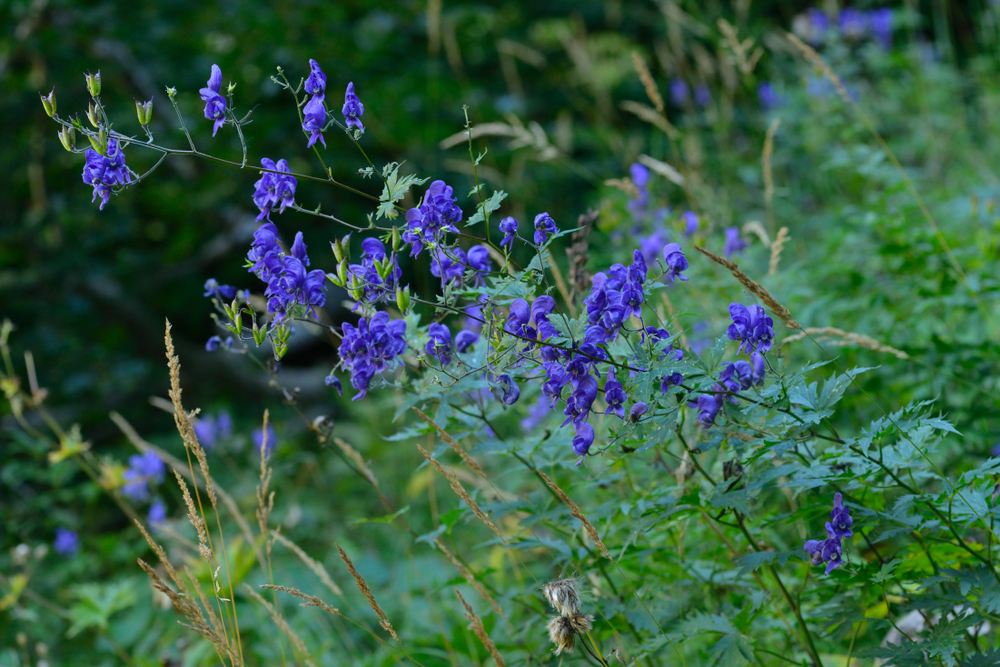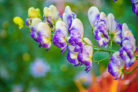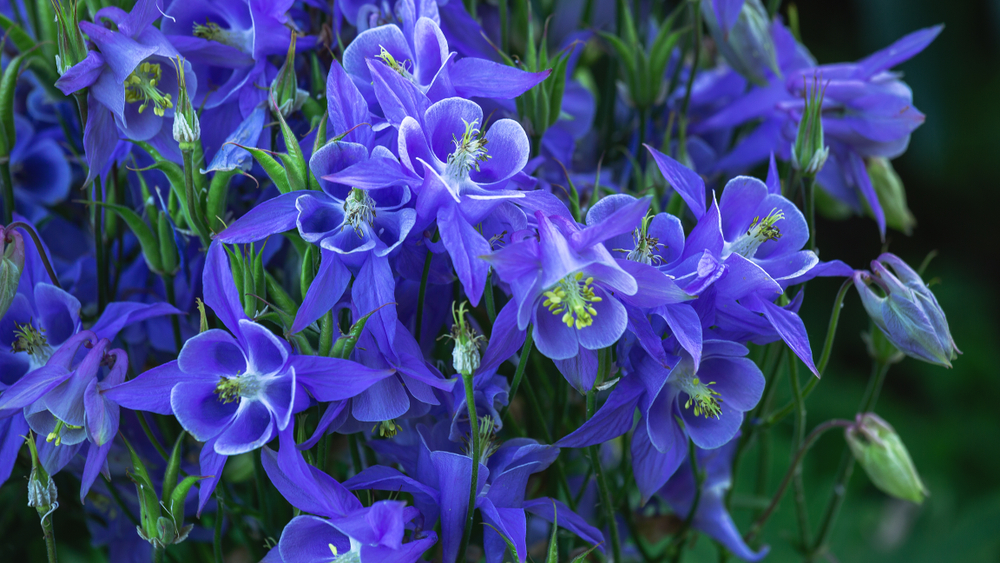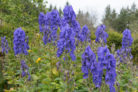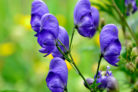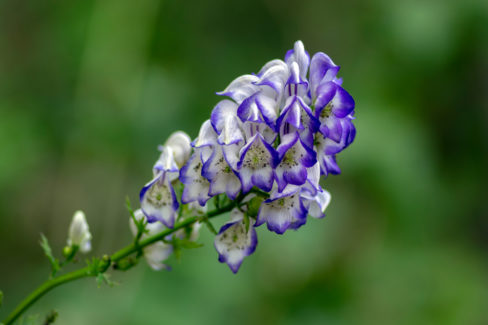
Monkshood is a stunning perennial, and honestly, it’s pretty hard to mistake it for anything else. Its most iconic feature? Those vibrant, usually deep blue flowers that look exactly like a tiny knight’s helmet. But here’s the thing: as beautiful as it is, every single part of this plant—including the seeds—is incredibly toxic. If you’re planning on adding this beauty to your garden, you’ve got to handle it with some serious respect and caution.
All About the Seeds
The seeds and the underground tubers are actually the most poisonous parts of this gorgeous plant. Once the flowers fade in late summer, the seeds develop inside small, pod-like fruits. If you look closely, the rough-textured seeds are shaped like little three-to-six-sided pyramids.
If you’re looking to grow them, keep in mind that Monkshood is a “cold germinator.” This means the seeds need a “chilling period” (vernalization) to wake up. For the best results, you’ll want to get them in the ground around December or January so they can experience several weeks of winter cold.
Staying Safe During Planting
Before you even think about grabbing your seed packet, you need to pick the perfect spot. Monkshood loves partial shade and cool, moist soil. But more importantly, you need to make sure it’s planted far away from where kids or pets play. If you can’t guarantee a “no-go zone” for the little ones, it’s honestly better to skip this plant altogether.
Once you’ve found the ideal location, it’s time to plant. Since these are “dark germinators,” you’ll want to cover them with a light layer of soil. Pro tip: Always, always wear gloves. Even just touching the seeds with your bare skin can cause numbness or nasty skin irritation.
Understanding the Toxicity
Monkshood contains aconitine along with other potent alkaloids. Because the seeds and roots hold the highest concentration of these toxins, you must store your seeds in a place where kids can’t get to them. If you don’t want the plant spreading all over your garden, make sure to deadhead the spent flowers early so it doesn’t self-seed.
If you even *suspect* someone has ingested any part of this plant, especially the seeds, call a doctor or emergency services immediately. If some time has passed since ingestion, watch out for these serious symptoms:
- Severe nausea
- Intense vomiting
- Colic-like diarrhea and stomach pain
- Extreme sensitivity to cold
- Heart arrhythmias (like palpitations or tachycardia)
- Severe cramps or paralysis
- Confusion and dizziness
- Headaches
- Circulatory collapse (which can be fatal, often while the person is still fully conscious)