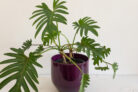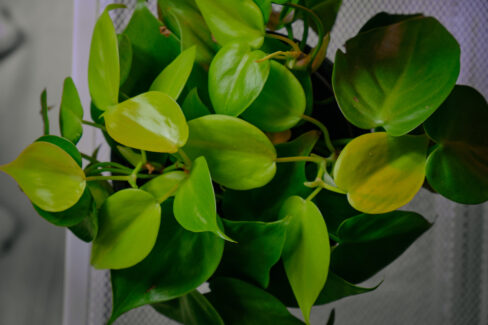
The Philodendron is an evergreen houseplant staple that’s a total hit with “indoor jungle” enthusiasts, thanks to its low-maintenance vibe and tropical, exotic look. But if your leafy friend suddenly starts sporting yellow leaves, it might be trying to tell you something. While it’s not always a cause for panic, leaf discoloration can sometimes signal a hiccup in your care routine. In this guide, I’ll walk you through the most common culprits and how to fix them.
The Main Reason for Yellow Leaves: Natural Aging
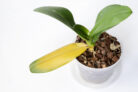
Generally speaking, a Philodendron leaf has a lifespan of about 4 to 6 years. Once its time is up, the plant naturally sheds it to make room for fresh, new growth. So, if you see a single older leaf turning yellow, don’t sweat it—it’s just the circle of life!
However, this natural process can eventually make your Philodendron look a bit leggy or sparse. You can fix this by giving it a [link-philodendron-schneiden]regular trim[/link] to keep its growth in check. Pruning also helps balance out the foliage with the root system, which is a great way to prevent those annoying brown tips on new leaves.
Another Common Culprit: Overwatering and Soggy Soil
Your Philodendron loves consistently moist soil to stay lush and healthy. The problem? Many plant parents take this a bit too literally and water way too often or too heavily. Philodendrons actually have pretty low water needs. If you overdo it, you’ll end up with standing water (wet feet), which is a fast track to yellowing leaves.
If you notice yellow leaves on a younger plant, here’s your rescue plan:
- Carefully take the plant out of its pot and shake off the old, soggy soil.
- Use a sharp, sterilized tool to snip away any mushy or rotted roots.
- Repot your Philodendron in fresh, dry soil, making sure to add a drainage layer (like clay shards or pebbles) at the bottom.
Give your plant at least a week to recover before watering it again. Moving forward, try the “finger test”: only water when the top inch of soil feels dry to the touch.
What About Brown Discoloration?
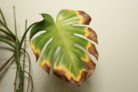
If you’re seeing brown tips instead of yellow leaves, that’s usually a sign that your plant is feeling cramped in its pot. Philodendrons are pretty sensitive to their environment—whether it’s a change in light as the seasons shift, a drop in humidity, or roots that have run out of room to grow. If the roots are circling the pot, it’s time to upgrade to a larger home to get those leaves looking green again.