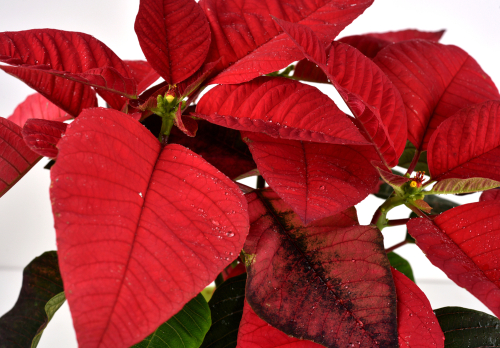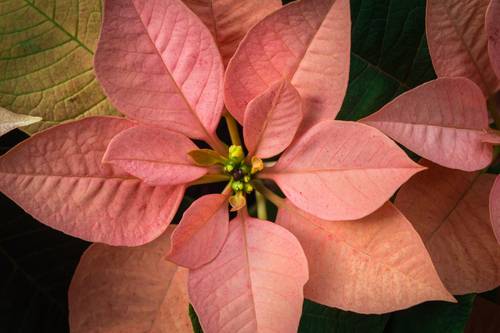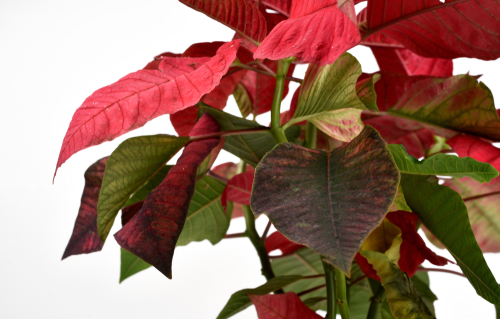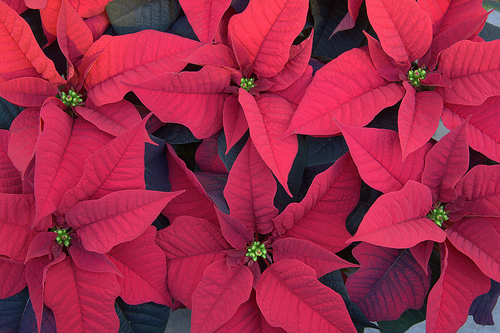
Even before the holiday lights go up, garden centers and flower shops are packed with those vibrant, glowing Poinsettias. They’re the ultimate way to bring that festive vibe home, but let’s be honest—that holiday cheer can fade pretty fast when your plant starts looking sad. One of the most common headaches? Those dreaded yellow leaves.
Why is my Poinsettia turning yellow?
It happens to the best of us: you bring home a beautiful Poinsettia, and within a few days, the leaves start drooping, changing color, and eventually hitting the floor. Most of the time, this is just a little “care confusion.” These plants are a bit picky about where they sit and how they get their water.
Understanding your Poinsettia’s water needs
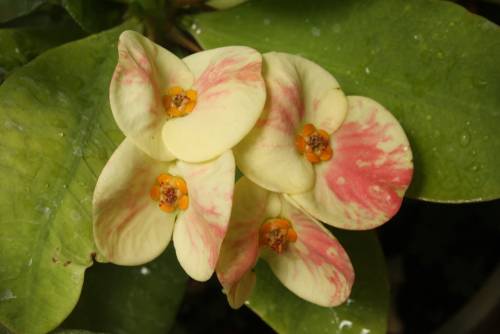
Poinsettias are part of the Euphorbia family and actually grow into massive shrubs in their native South American habitat. Out there, they live outdoors and only get a drink when it rains. When we bring them inside as houseplants, they really prefer a “less is more” approach to watering. You want the soil to stay slightly moist, but never soggy. Only reach for the watering can when the top layer of soil feels dry to the touch. If you poke your finger in and feel moisture just below the surface, hold off—it’s still too wet.
Poinsettias absolutely hate “wet feet” (standing water). They’ll react to overwatering by turning yellow and dropping leaves faster than you can say “Santa Claus.” A pro tip? Repot your plant after you buy it and add a drainage layer of gravel or clay pebbles at the bottom. If you have good drainage, you can even use the “dunk method”—submerge the root ball in water until it’s fully hydrated, let it drain completely, and then put it back in its decorative pot. If you do this, you usually won’t need to water again for at least a week.
Common mistakes you can totally avoid
If you treat your Poinsettia right, it can actually live through the summer outdoors and bloom again next fall! To keep yours thriving, keep these tips in mind:
- Don’t overwater—seriously, take it easy.
- Avoid standing water at all costs; consider adding a drainage layer.
- Make sure your pot has a drainage hole.
- Never let excess water sit in the decorative outer planter.
- Use soft, room-temperature water (rainwater is a treat for them!).
- Don’t pour water directly onto the leaves or the crown of the plant.
- If the soil is already totally waterlogged, your best bet is repotting your Poinsettia into fresh, dry soil immediately.