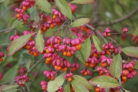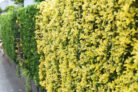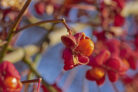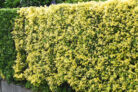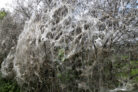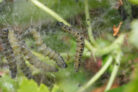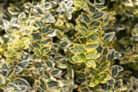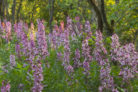
The European Spindle (Euonymus europaeus) is a total standout in the garden. Whether you’re planting it as a stunning focal point or using it to create a lush hedge, this large shrub is a favorite for a reason. If you give it the right spot to call home, it’ll reward you with some seriously impressive growth.
Appearance and Where to Find It
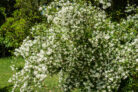
Given enough time and the right conditions, a Spindle tree can reach heights of up to 15 feet. It has a shallow root system that loves to spread out, making it great for filling in gaps quickly. In public parks, it can turn an open space into a dense thicket in no time! While you might want to keep that spreading habit in check in a smaller backyard, don’t worry—this plant handles a heavy pruning like a champ.
In the wild, you’ll often spot it in:
- Floodplains and wetlands
- Deciduous forests
- Forest edges
- Embankments (where it helps prevent erosion)
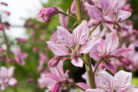
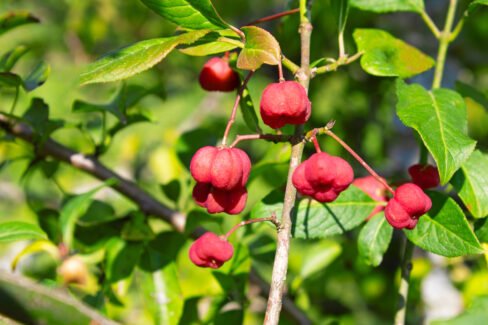
Those dense branches provide a perfect sanctuary for birds and beneficial insects. In the fall, birds love snacking on the fleshy berries, but a quick heads-up: those fruits are toxic to humans and pets, so keep an eye on the little ones. The Spindle is a showstopper year-round, especially during its blooming phase and even more so in autumn, when the foliage turns brilliant colors and those iconic orange-red fruits dangle from the branches.
The Perfect Spot and Soil
While the Spindle is pretty adaptable, it’s happiest in a bright, sunny spot where it can soak up the heat. It can handle the shade, but you’ll miss out on that spectacular fall color—the more sun it gets, the more vibrant those autumn hues will be!
When it comes to soil, this shrub isn’t too picky, but it definitely has a “type.” It thrives in loamy, lime-rich soil packed with nutrients. It’ll tolerate sandy or dry patches, but you might notice it won’t grow as vigorously or bloom as heavily. On the flip side, heavy, waterlogged clay isn’t ideal either. The sweet spot? Consistently moist, well-draining soil.
Before you get digging, I recommend loosening the soil well and mixing in plenty of compost and a bit of sand. This boosts the nutrient levels and ensures the water can move through freely. Since Spindle trees hate “wet feet” (standing water), it’s a great idea to add a drainage layer of coarse gravel or broken pottery at the bottom of the hole before planting.