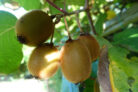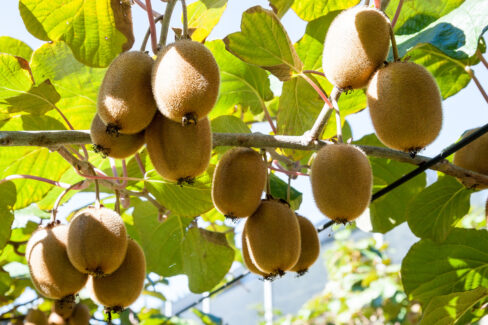
The exotic kiwi originally hails from subtropical climates, showing off its famous, fuzzy green fruit right after the blooming season. While this deciduous climbing vine absolutely loves the heat, you don’t need to live in the tropics to grow it! With a little know-how, you can successfully harvest your own kiwis right in your backyard. Check out our FAQ below to learn how to get your kiwi garden started.
Can I really grow kiwis in the U.S.?
Most of the kiwis you see at the grocery store, like the popular “Hayward” variety, thrive in warmer climates like California or Southern Europe. However, you can definitely grow them in many parts of the U.S., especially in milder regions. If you live somewhere with colder winters, don’t worry—there are “hardy kiwi” varieties (like *Actinidia arguta* or “Issai”) that can handle much lower temperatures.
As long as you follow a few basic planting and care tips, these vigorous climbers will feel right at home, grow incredibly fast, and reward you with a bountiful harvest.
What’s the best spot for a kiwi plant?
Kiwis are sun-worshippers. You’ll want to pick a warm, sunny spot with little to no shade. It’s also important to choose a location protected from strong winds; since these vines grow so tall and lush, a heavy gust can easily damage the delicate new shoots.
Pro tip: The best place for a kiwi vine is usually against a south- or southwest-facing wall or fence where it can soak up all that reflected heat.
What kind of soil do they need?
To keep your kiwi vines happy, you need soil that is rich in organic matter and nutrients. They prefer slightly acidic soil, ideally with a pH between 4.5 and 5. If your garden soil is naturally alkaline, you can mix in some peat moss or rhododendron potting mix to lower the pH.
Also, consider adding a layer of mulch around the base. Kiwis (botanically known as *Actinidia*) love moisture and need their soil to stay consistently damp but not soggy. Mulching helps retain that moisture and keeps the soil pH in that “sweet spot.”
When is the best time to plant?
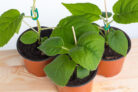
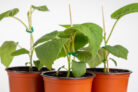
If you’re buying a potted kiwi from a nursery, you can technically plant it anytime from spring to late fall. However, planting in early summer gives the vine the best head start to establish its roots before winter hits.
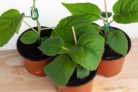
If you do plant in the fall, make sure to give your young vines some extra winter protection. If you’re growing kiwis in containers, it’s best to move them to a frost-free, dark spot like a garage for their first winter.
What should I keep in mind when planting?
Here’s a golden rule: if you grow kiwis from seeds, it can take up to ten years before you see a single flower! If you want fruit sooner, buy nursery-grown young plants. They usually start blooming—and fruiting—within two to four years.
You also need to think about “the birds and the bees.” Most kiwi plants are dioecious, meaning you need both a male and a female plant to get fruit.
Planting Distance
Since you usually need a male plant to pollinate the females (one male can typically handle up to seven females), don’t plant them too far apart.
Note: Ideally, space your plants between 3 and 12 feet apart so the pollinators can do their job easily.
Support Systems
Kiwi vines are serious climbers—they can reach 30 feet in height and grow several feet in a single season! You’ll need a very sturdy support system, especially once the heavy fruit starts growing. Trellises, pergolas, or heavy-duty wire systems are perfect for the job.
Self-Pollinating Varieties
If you’re short on space, look for self-fertile varieties. These have both male and female flowers on the same plant. Just keep in mind that even self-fertile kiwis tend to produce a much bigger harvest if you plant more than one.
When do kiwi vines bloom?
Most varieties start flowering in their third year, though some take a bit longer. You’ll see white to pale yellow blossoms appearing in early summer (usually May or June). This is the best time to tell if your plant is male or female: male flowers have a center full of yellow pollen-bearing stamens, while female flowers have white styles in the center—these are what eventually turn into the fruit!
When is harvest time?
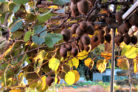
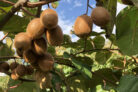
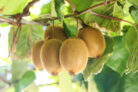
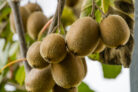
In most temperate zones, those fuzzy, egg-shaped fruits ripen in late autumn. You’ll actually want to harvest them while they are still firm (usually October or November) before the first hard frost. They finish ripening indoors, where they’ll develop that sweet, signature flavor. You can usually expect your first real harvest about four years after planting. Happy gardening!