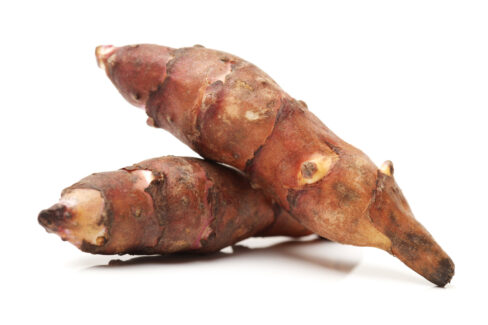
The Chinese artichoke originally hails from East Asia, and it’s a unique member of the mint family. While it’s been a staple in China for ages, it’s recently found a fan base in European gardens across France, Belgium, and Switzerland. We use its funky-looking storage roots as a delicious vegetable.
Chinese Artichokes: The Best Veggie You’ve Never Heard Of
The Chinese artichoke is still a bit of a hidden gem in the gardening world, and you might hear it called by several different names:
- Crosne (its popular French name)
- Japanese Artichoke
- Knotroot
- Chorogi
No matter what you call it, you’re looking at a hardy, herbaceous plant that grows about two feet tall. Underground, it develops rhizomes with pearly-white, spiral-shaped tubers about 3 inches long. These little guys are the prize! You can toss them in a pan for a quick roast or eat them raw for a satisfying crunch. Taste-wise, they’re a delightful mix of kohlrabi and salsify.
- Growing Chinese Artichokes in Your Garden
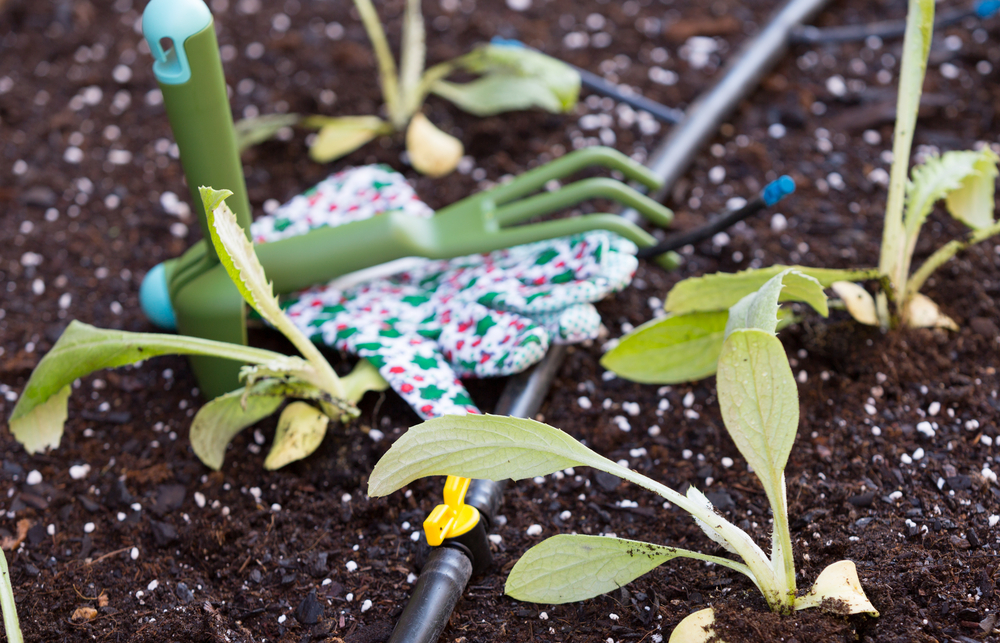
Planting these is a lot like planting potatoes. You’ll want to get your tubers in the ground starting in March. They’re happiest in a spot with partial shade or moderate sun. Here’s how to get started:
- Loosen up some nutrient-rich, moderately moist soil.
- Use a hoe or spade to dig small holes about 4 inches deep.
- Drop two or three tubers into each hole.
- Cover them back up with soil.
- Make sure to space your planting holes about 20 inches apart.
As the plant grows, it looks a bit like a nettle with its textured leaves. Throughout the summer, it sends out underground runners. The magic happens in late summer when those runners start thickening into tubers. Because of this, you’ll want to “hill” the plants (mound soil around the base) starting in August. Doing this a few times helps ensure you get a bumper crop of nice, fat tubers.
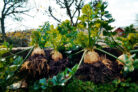
Once the foliage starts to wither in October, it’s harvest time! My favorite tip: only dig up as many as you need for dinner using a garden fork. This way, you can keep harvesting fresh tubers all the way through January. For the plants staying in the ground, just add a layer of mulch to protect them from the frost. Be sure to leave a few tubers in the soil so they can regrow for next year’s harvest. After about three years, it’s a good idea to move your patch to a new spot. In the old bed, plant some lupines or beans to help put nitrogen back into the soil.
Pests and Diseases
These plants are pretty tough, but they can occasionally attract aphids. If you spot them, a simple spray of soapy water usually does the trick. In really dry summers, you might see spider mites. No need for harsh chemicals here, either! Just mix one part canola oil with five parts water and give the plants a good misting.