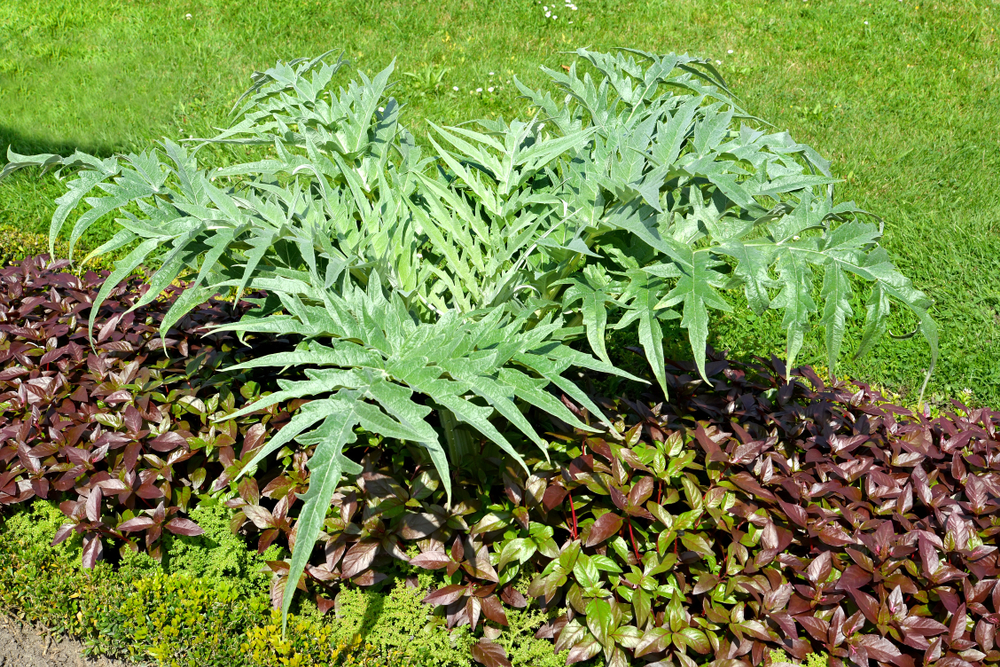
Artichokes aren’t exactly a staple in most backyard gardens yet, which is a shame because they’re delicious, super healthy, and surprisingly easy to grow yourself! If you’ve ever wanted to try your hand at growing these unique veggies, you’re in the right place. Here’s everything you need to know to get started.
Starting Your Artichoke Seeds Indoors
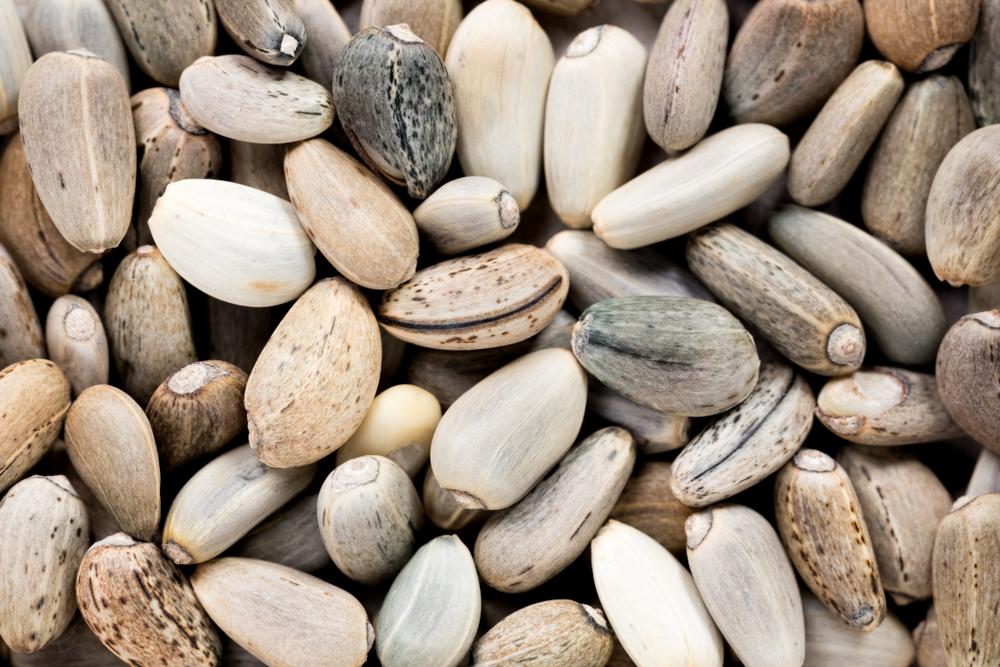
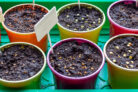
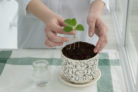
Artichokes love a head start in a warm spot. To get them going, plant your seeds in some high-quality seed-starting mix and place them somewhere bright and cozy. Pro tip: If you want to speed things up, soak your seeds in lukewarm water for a few hours before planting to help boost germination.
You’ll want to start this process around February. This gives the seeds about 12 weeks to sprout and grow into sturdy little starts before they’re ready for the great outdoors. Keep in mind that depending on the variety, you might not get a harvest in the very first year. Check the back of your seed packet for the specifics on your particular variety!
Moving Artichokes to the Garden
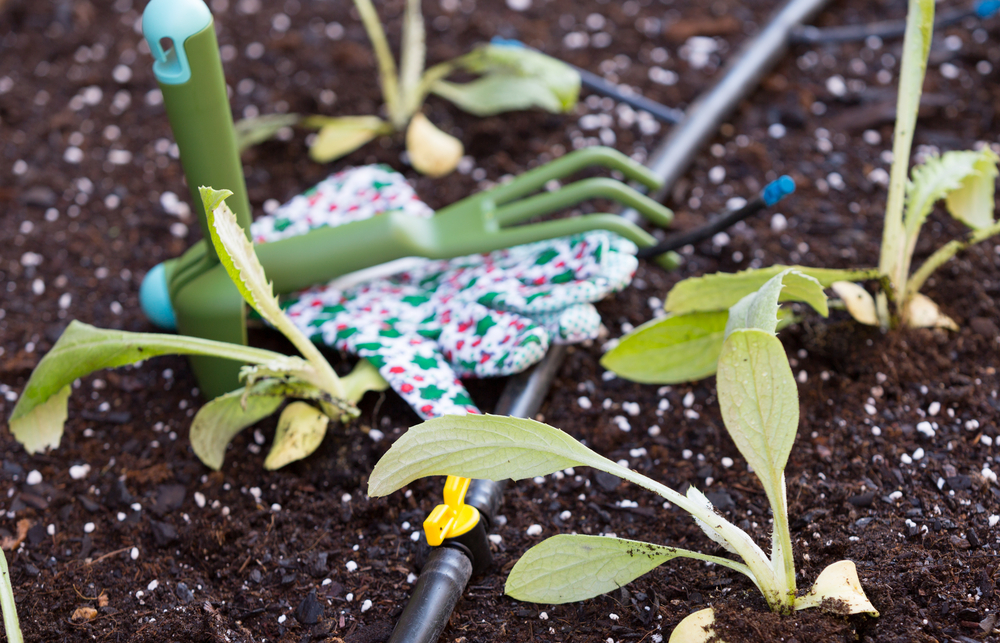
By late May, it’s usually time to get your artichokes into the ground. The most important thing is to wait until the threat of frost has passed and the soil has warmed up. Choose a spot in your garden that is sunny, warm, and protected from harsh winds. Since these plants originally come from the Mediterranean, they really crave that sunshine to thrive.
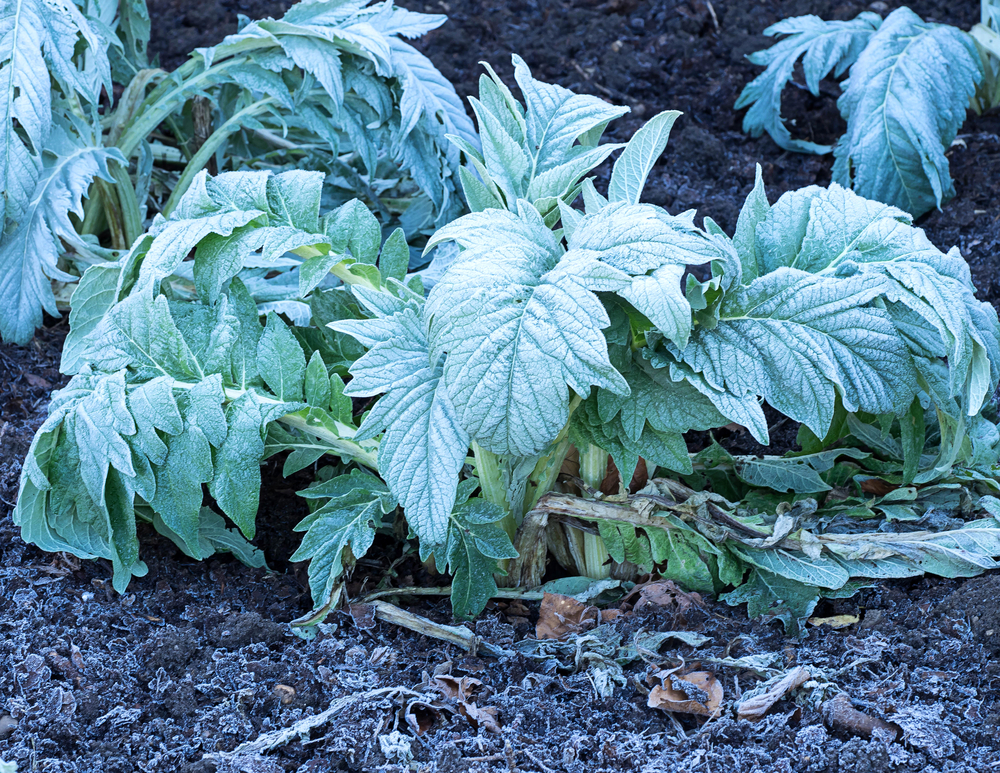
To give your plants the best start in their new home, mix a few gallons of compost into the soil before planting. Once they’re in the ground, give them a good soak and keep up with regular watering over the next few weeks—you don’t want the soil to dry out completely while they’re establishing. After your (hopeful!) first-year harvest, make sure to give them some winter protection like mulch or burlap to help them survive the cold months.
Harvesting Your First Artichokes
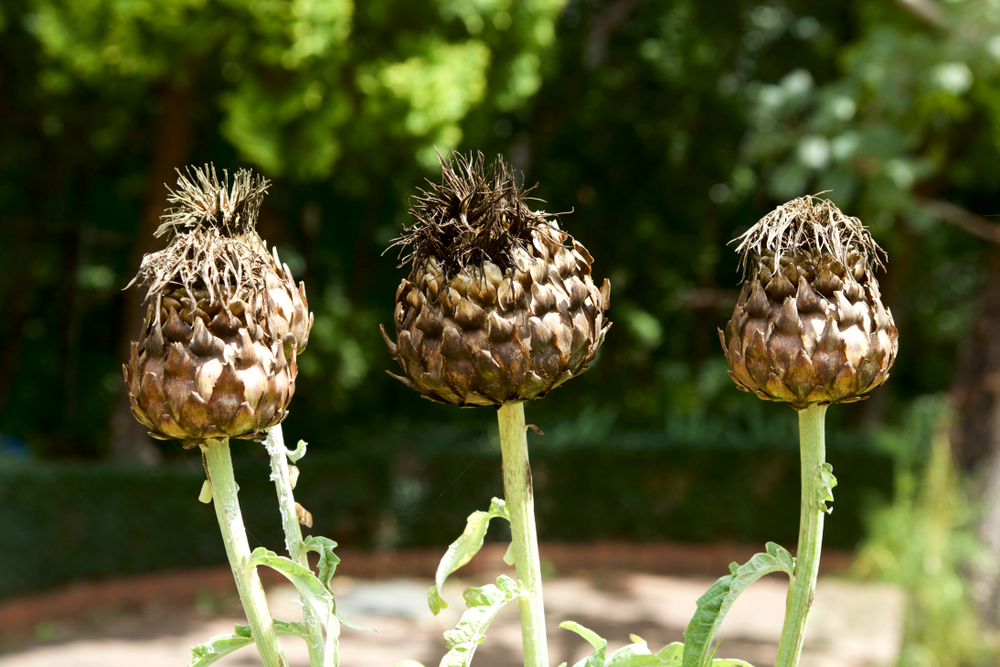
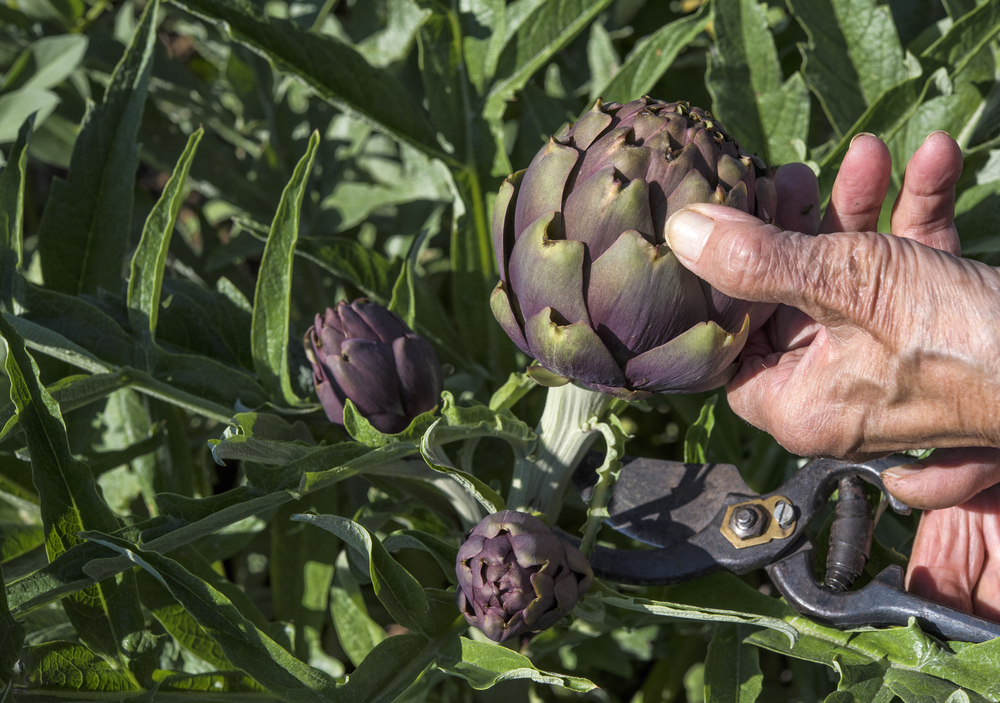
The harvest window for artichokes usually runs from July through September, so you’ll have plenty of time to enjoy them. However, timing is everything! Once the artichoke starts to open up into its signature purple-blue flower, the window for eating has closed. At that point, the “vegetable” becomes too tough to enjoy.
You’ll know it’s time to harvest when the outer scales (the bracts) start to spread slightly and the tips of the leaves just begin to turn a little brown. If you miss the window and the plant blooms, don’t worry—the flowers are absolutely stunning to look at! Just keep in mind that the fruit itself will be way too woody and tough to eat at that stage.