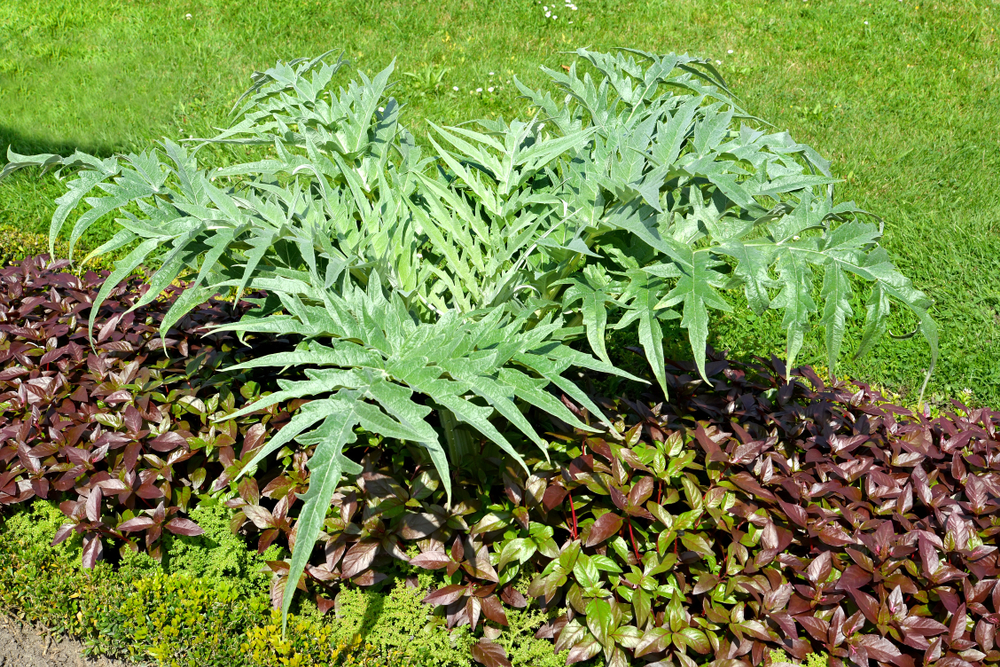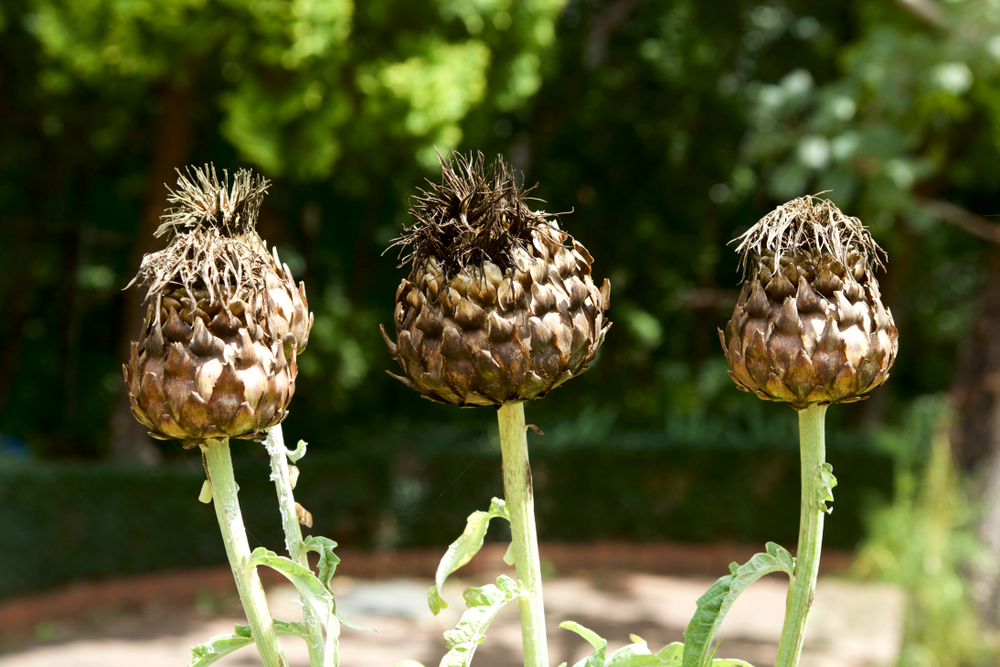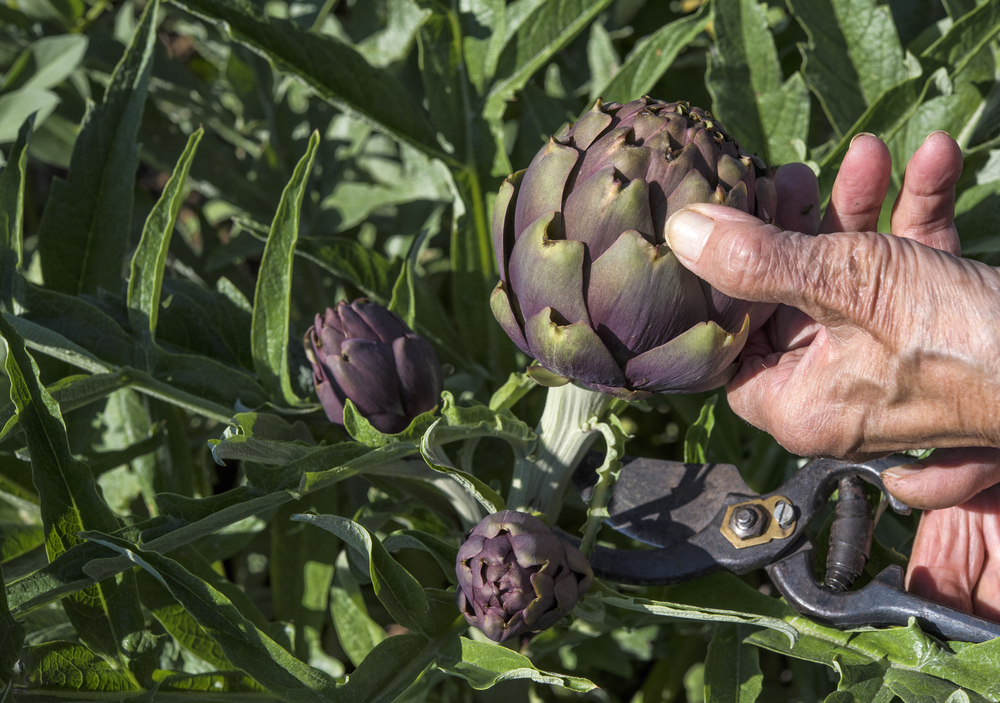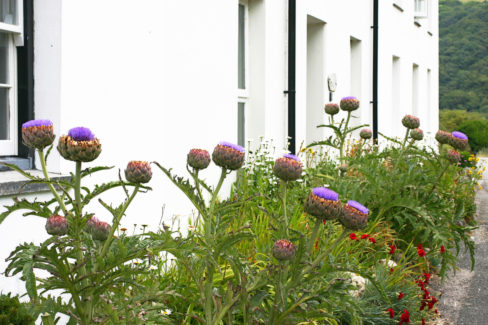
Artichokes aren’t just delicious—they’re also stunning showstoppers in the garden. Since they fall into the “flowering vegetable” category, they bring a ton of ornamental flair to your backyard. Even though they have a bit of an exotic reputation, more and more home gardeners are finding out just how well they can thrive right at home.
Starting Seeds on the Windowsill
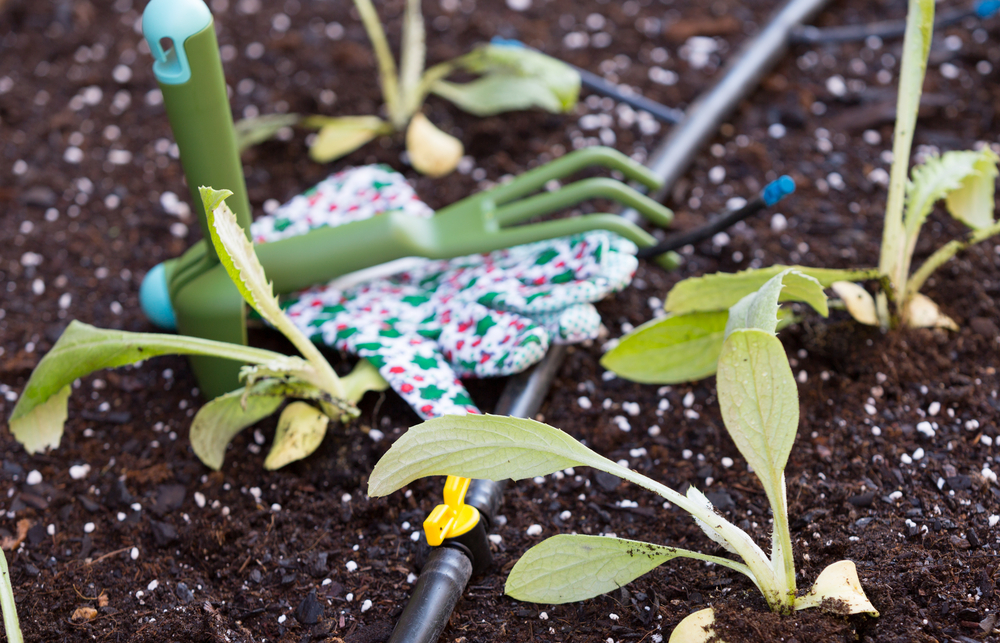
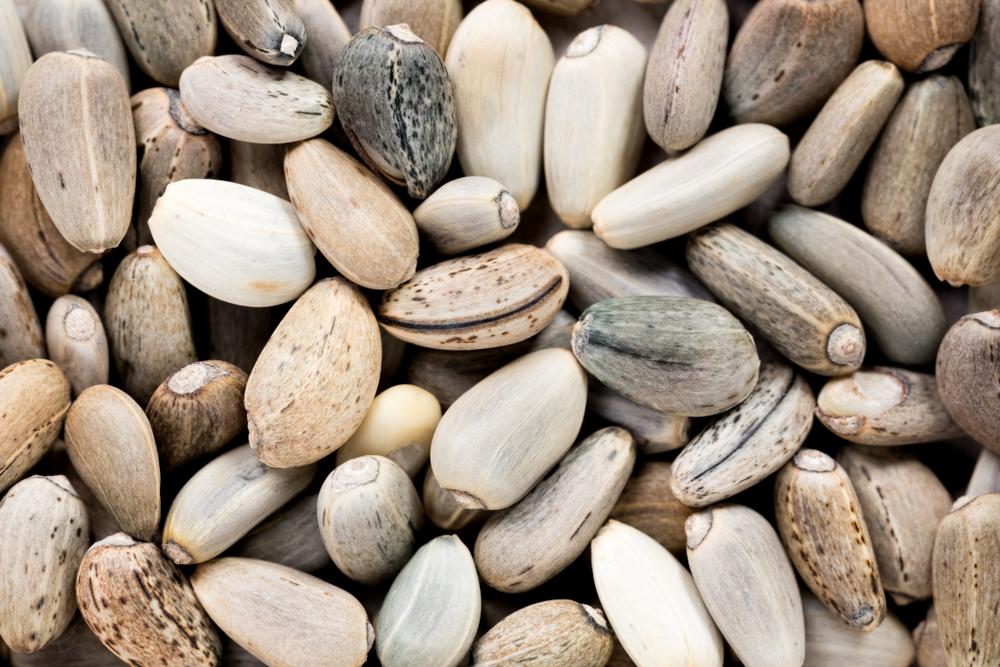
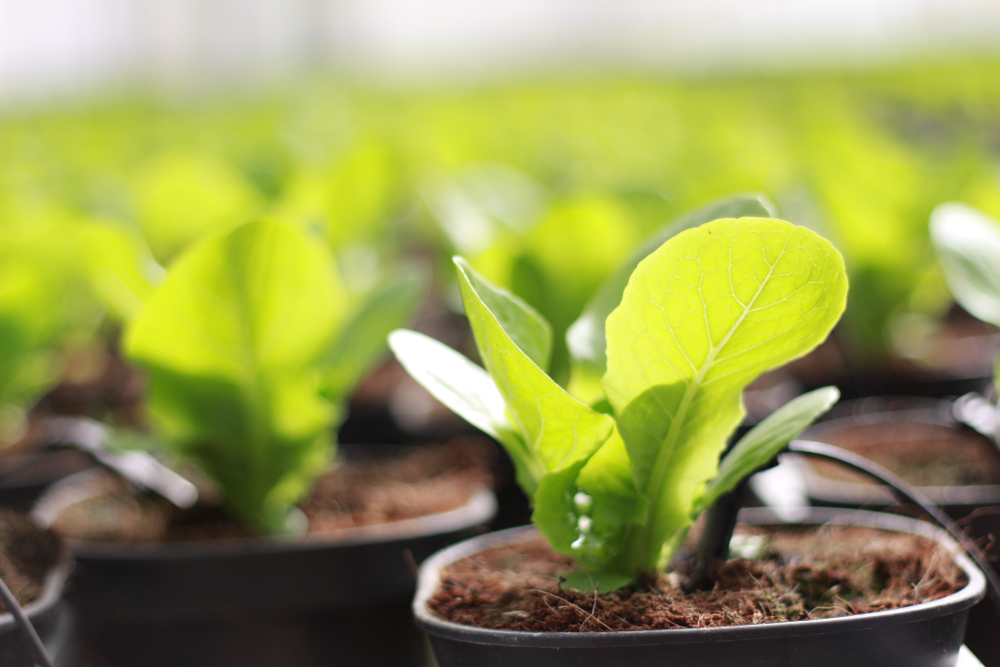
If you’re planning on growing your own artichokes from scratch, you’ll want to give them a head start indoors rather than sowing seeds directly in the garden. Start germinating them on a sunny windowsill around February. A quick pro-tip: this works best for varieties that bloom in their first year. Not all of them do, so definitely double-check the back of your seed packet before you get started!
Whether you raised them yourself or picked up some starts at the local nursery, don’t rush them outside. Artichokes are sensitive, so wait until the threat of frost has completely passed. A great rule of thumb is to wait until late May, once the “Ice Saints” (the traditional mid-May cold snap) have moved on. By then, the soil is warming up and your plants will be safe from freezing temperatures.
Planting Artichokes in Your Garden
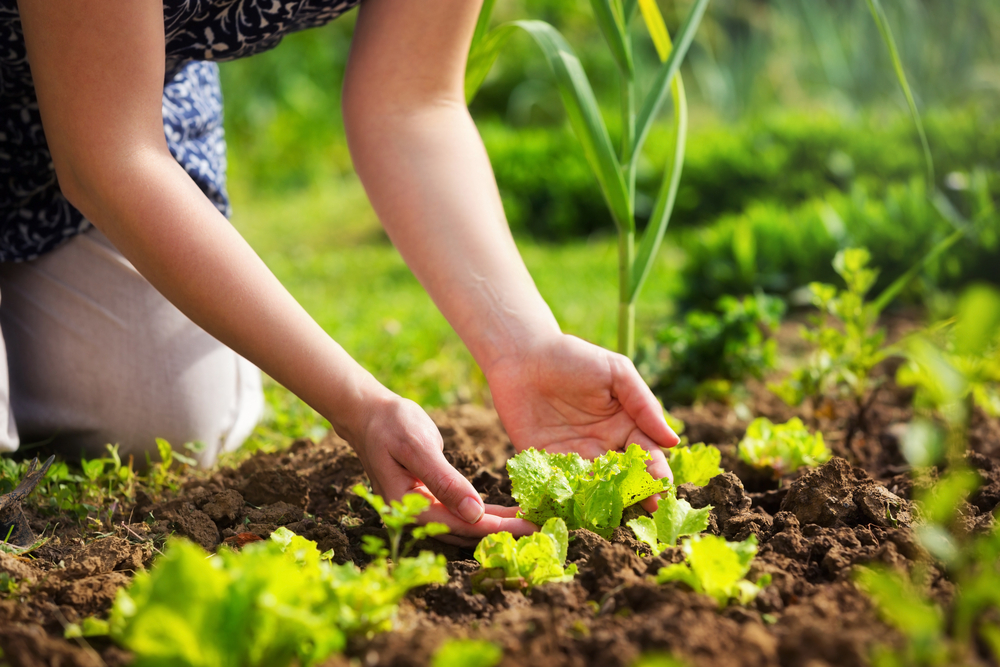
When your seedlings are ready for the big move, look for a planting spot that is warm, sunny, and tucked away from harsh winds. These plants are sun-worshippers—full sun is much better for them than a shady corner. You’ll also want soil that is loose and packed with nutrients to ensure they grow nice and strong.
To give your soil a boost, mix in a few gallons of compost before planting. Also, give these guys some elbow room! Artichokes don’t just grow tall; they spread out quite a bit, too. Make sure to leave about 30 inches (80 cm) of space between each plant so they don’t feel crowded.
Caring for Your Garden Artichokes
To keep your artichokes happy, they’re going to need plenty of water. Give them a good soak regularly, but be careful not to overdo it—you want moist soil, not a swamp. They’re also heavy feeders, so they’ll need a steady supply of nutrients. I recommend mixing in some compost right when you plant them, and then topping them off with more every year or two.
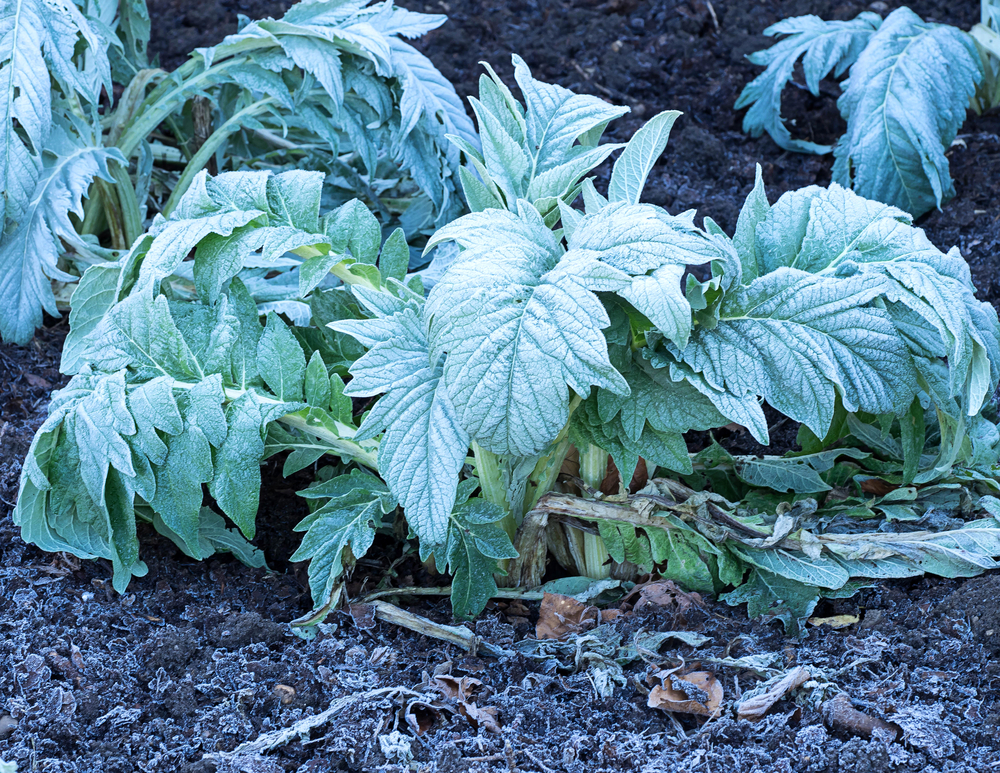
The best part? Artichokes are perennials, meaning you can enjoy them for several years if you help them survive the winter. Most varieties sold at garden centers are fairly hardy, but they still appreciate a little “winter coat.” Cover the base of the plants with a mix of sand and straw, and feel free to toss in some leaves or well-rotted manure for extra insulation.