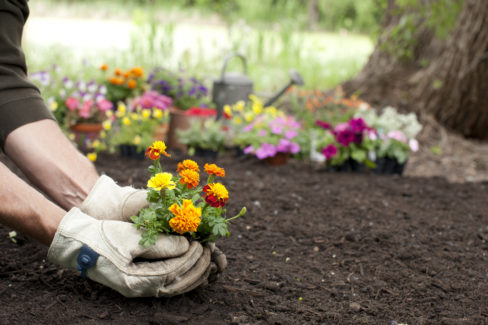
When it comes to planting marigolds (or *Tagetes*, if you want to get fancy), there are a few key things to keep in mind. It’s not just about sticking them in the dirt; you’ve got to think about their favorite living conditions and who they like to hang out with in the garden. Most importantly, timing is everything—plant them too early, and a late frost will nab them before they ever get a chance to bloom.
The Best Planting Time for Marigolds
In most of our gardens, marigolds are grown as annuals because they are not cold-hardy. Unless you’re growing a specific variety that’s particularly tasty and edible, it’s usually not worth the effort of overwintering them. For the rest of us, the best bet is to wait until the threat of frost has totally passed in the spring before moving them into the flower beds.
Buying vs. Growing Your Own
You won’t have any trouble finding young marigolds at the garden center once planting season hits, and they’re usually pretty easy on the wallet. But if you’re feeling adventurous, they are incredibly easy to grow from seed yourself. You can buy packets at the store or even harvest seeds from your own plants at the end of the season.
By late April, you can sow these light-dependent germinators directly into the garden. However, if you want to jumpstart the blooming season, I recommend starting them indoors as early as late February.
Pro Tip:
If you spot a great deal on marigolds at the store before the weather has warmed up, go ahead and grab them! Just keep them inside as houseplants for a few weeks until it’s safe to plant them outside.
The Perfect Location
Marigolds are total sun-worshippers—which makes sense, considering they originally come from sunny Mexico. In your garden, they’ll be happiest in full sun or, at the very least, light partial shade. If you’re growing them in pots, a south-facing balcony is their happy place. They like loose soil that’s moderately rich in nutrients, so it’s a great idea to mix in some mature compost before you plant.
You’ll often see marigolds tucked right into the middle of vegetable patches. That’s because they’re great “bodyguards”—they help fight off nematodes in the soil and are often used to distract slugs or repel cabbage flies. Depending on the variety you choose, make sure to space them about 4 to 12 inches apart.
Good Neighbors for Your Marigolds
In the veggie garden, marigolds make fantastic companions for:
- Beans
- Cucumbers
- Carrots
- Potatoes
- Cabbage
- Parsley
- Tomatoes
If you’re looking for floral friends, marigolds are also the perfect sidekick for roses of all kinds.