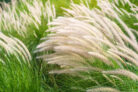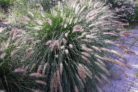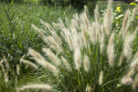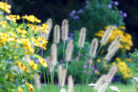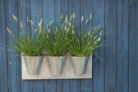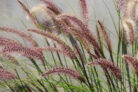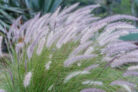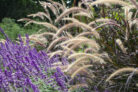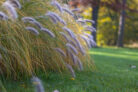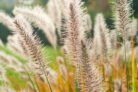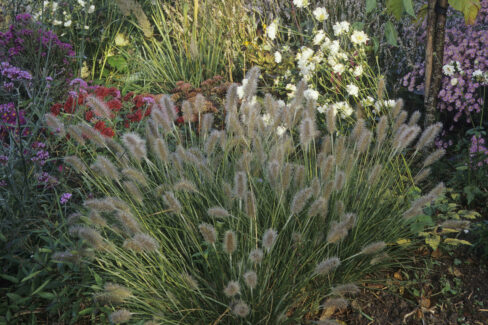
If you want your fountain grass to grow lush and strong, getting the basics right during planting is key. Follow these simple tips, and you’ll be enjoying this gorgeous ornamental grass in your landscape for years to come.
Where is the best spot to plant fountain grass?
Fountain grass is a total sun-worshipper, so you’ll want to pick a location that gets full sun. It loves soil that stays consistently moist but never soggy. If you have heavy clay soil, be sure to mix in some coarse sand or fine gravel to help it breathe. Good drainage is a must—especially if you’re growing it in containers.
This grass really thrives in nutrient-rich soil. I recommend prepping the area with some well-aged compost; it helps the plant establish itself quickly so it can reach its full height in no time.
When is the best time to plant?
Spring is hands-down the best time to get your fountain grass in the ground. This gives the plant plenty of time to develop a strong root system before winter hits. Even though most varieties are hardy, young plants are a bit more sensitive to the cold during their first year. This is also why spring is the perfect time for propagation. The most common ways to get more plants are:
- Dividing the root ball
- Starting from seed
How do you actually plant fountain grass?
Once the ground has thawed and there’s no more frost, you’re ready to go! Just follow these steps:
- Dig a hole that is twice as wide and slightly deeper than the root ball.
- Mix your soil with some compost. If your soil is heavy, add a little grit to loosen it up.
- Place a layer of gravel at the bottom of the hole for drainage.
- Gently set the fountain grass into the hole. Pro tip: Planting it just a tiny bit deeper than it was in its nursery pot can actually help stimulate growth.
- Fill the hole back up with your soil-compost mix.
- Lightly press the soil down with your hands to settle it.
Make sure to give your plants some elbow room—a spacing of at least 24 inches (60 cm) is ideal. For a really stunning look, try pairing your fountain grass with different perennials to add texture to your garden beds.