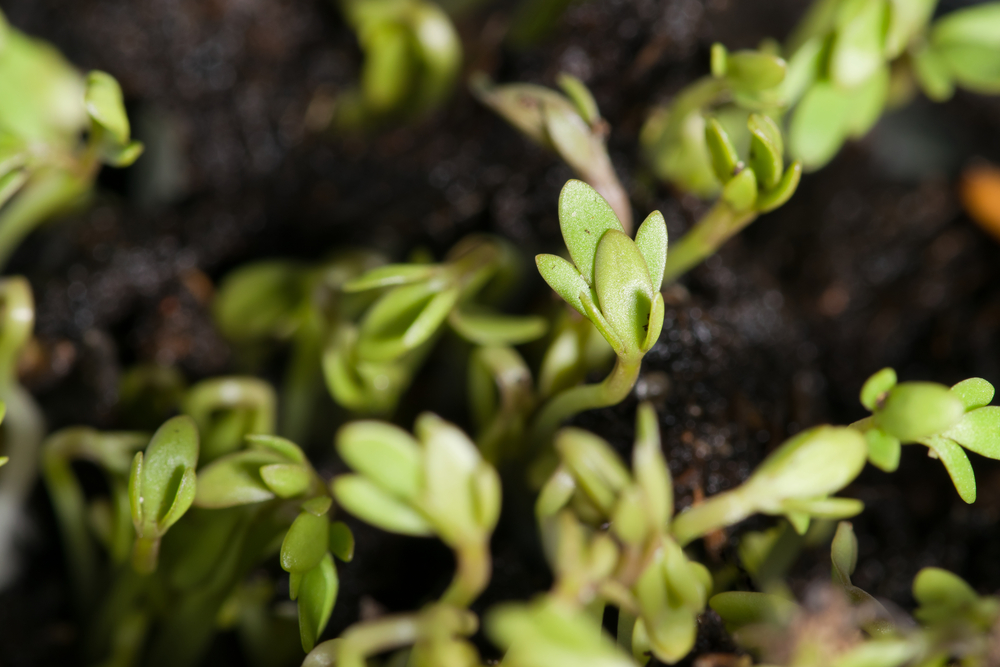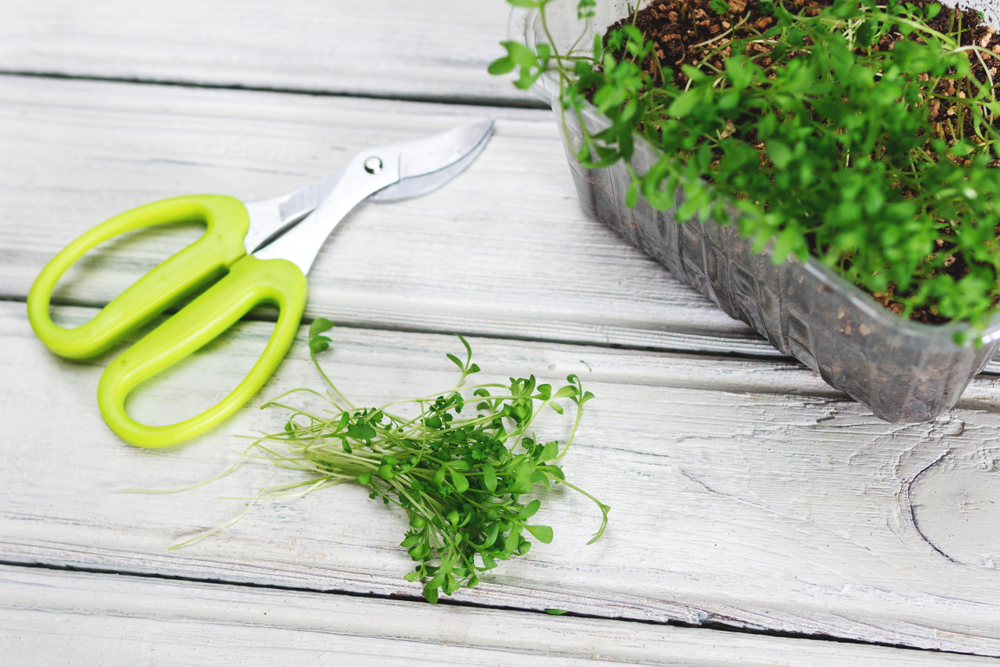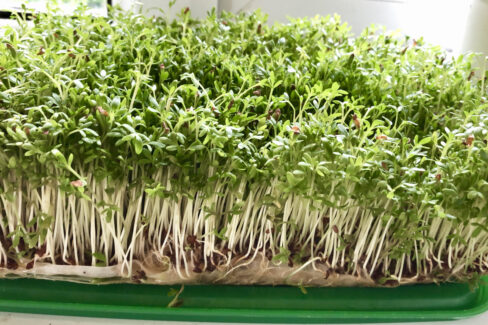
Fresh cress is such a game-changer—it’s crunchy, peppery, and delicious. And honestly, where could it be fresher than right from your own garden or kitchen windowsill? Growing cress is less about “gardening” and more about simple sowing; nature pretty much handles the rest. That said, if you want a bumper crop, there are a few easy tricks to get her off to a great start.
Perfect for the Garden or the Windowsill
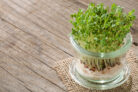
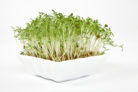
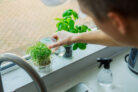
Because cress grows at lightning speed, you can plant it anywhere that stays warm and gets plenty of light. It’s not picky, either—it’ll happily spread out across a garden bed or snuggle into a small, shallow dish. The main difference between growing indoors versus outdoors is the timing. While indoor sprouts are usually ready to harvest in just a few days, garden-grown cress takes about 2 to 3 weeks before it’s ready for eating.
- You can grow it indoors all year round.
- A bright windowsill without harsh, direct sun is the sweet spot.
- Cress is a bit of a “warm weather” fan; it hates frost and prefers temperatures above 60°F (15°C).
- For outdoor planting, sow between May and late summer.
- Pick a sunny or partially shaded spot outside.
- It’s a fantastic “intercrop” to fill gaps in your garden.
- It plays well with others and gets along with almost all plants.
- Alternatively, you can grow it in pots on your balcony.
Soil Outdoors, Paper Indoors
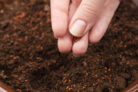
If you’re planting in a garden bed, standard, moderately moist garden soil works perfectly (though Watercress likes things a bit damp). You can scatter the seeds broadly or sow them in rows about 6 inches apart. If they grow in too thick, don’t worry—just harvest the extras early! One important tip: cress seeds need light to germinate, so just press them gently into the surface rather than burying them.
Inside the house, I actually recommend skipping the soil. It can get moldy quickly in a warm kitchen, which ruins your sprouts. Instead, grow your cress on paper towels, tissues, or cotton wool. It’s cleaner and works like a charm!
Pro Tip:
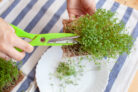
Cress won’t regrow once you cut it, and it doesn’t keep for very long in the fridge. To keep a steady supply, sow small amounts every few days rather than one giant batch.
Watering and Feeding
The golden rule is to never let your soil or paper towels dry out completely. However, cress seeds are tiny and the sprouts are super delicate—a heavy stream from a watering can will wash them away! Skip the standard watering routine and use a spray bottle to mist them gently instead.
As for fertilizer? You can skip it entirely. Indoor sprouts get all the energy they need for their short life right from the seed itself. Out in the garden, the soil usually has more than enough nutrients to get them to harvest.