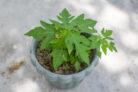
Watching a tiny seed transform into a towering, golden sunflower is one of the most rewarding experiences any gardener can have. To get those iconic, happy blooms, you just need to know a little bit about timing, location, and care. I’ve put together a quick guide to help you grow your own slice of sunshine!
Picking Your Seeds
You can find sunflower seeds just about anywhere—nurseries, garden centers, or even the local grocery store. If you have a friend with a garden, you can even harvest seeds directly from a dried flower head. But keep in mind, there isn’t just one type of sunflower! There’s a huge variety to choose from:
- Hardy vs. non-hardy varieties
- Perennial shrubs vs. annuals
- Giant sunflowers (which can soar over 10 feet tall!)
- Dwarf sunflowers perfect for balconies and pots
- Single-bloom vs. multi-bloom varieties
- Classic open faces vs. “double” fluffy blooms
- Varieties grown for edible seeds vs. ornamental types
Quick Tip:
If you want something unique, check out the “Evening Sun” sunflower. It stands out from the crowd with stunning, deep velvety red petals.
Spring Sowing
If you’re planting directly into your garden beds or outdoor pots, wait until late April or early May. They need the warmth! Once they get going, they grow fast, usually blooming from June all the way through October. One heads-up: birds love to snack on freshly planted seeds, so you might want to sprout them indoors first to give them a head start.
In fact, starting your seeds indoors as early as March is a great move. It results in much stronger plants and earlier flowers. Just make sure you don’t move these young plants outside permanently until the danger of frost has passed in mid-May.
Finding the Perfect Spot
It’s right there in the name—sunflowers love the sun! They actually track the sun across the sky with their leaves and heads, a cool trick called heliotropism. Make sure your chosen spot gets at least 6 hours of direct sunlight a day. They thrive in loose, nutrient-rich soil (mix in some compost for best results) and need about 2.5 feet of space between each plant.
If you’re growing sunflowers on a balcony, they still need that full sun. Use a large, deep pot so the roots have plenty of room, and let the sunflower have the container all to itself.
Also, keep an eye on the wind. The taller a sunflower grows, the more it acts like a sail. Pick a sheltered spot, or be ready to stake the stems early on so they don’t snap during a summer storm.
Sunflower Aftercare
To keep these “happy-face” flowers smiling, follow these simple steps:
- Water them every morning.
- On scorching summer days, give them a second drink in the afternoon.
- Fertilize once a week.
- Keep an eye out for aphids (lice).
- Don’t prune them.
- If you aren’t planning on eating the seeds, you can deadhead spent blooms to keep the plant looking tidy.
Quick Tip:
Sunflowers make great cut flowers and will stay fresh in a vase for at least a week. If you have a variety with half-opened heads, they are also perfect for drying!