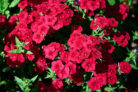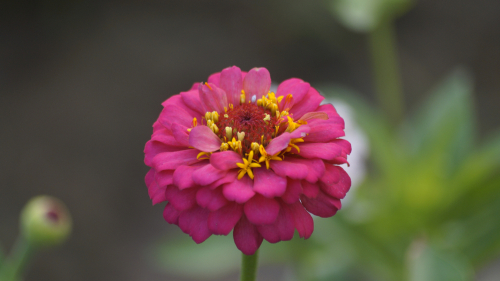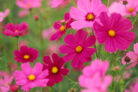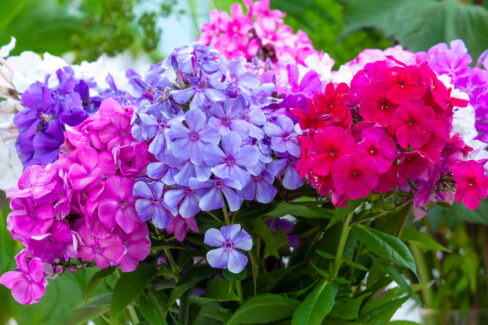
Growing Phlox from scratch—starting right from a tiny seed—is a totally different experience than just grabbing a potted plant from the nursery. It’s incredibly rewarding to watch that journey from seedling to full bloom! To make sure your gardening project is a total success, I’ve put together a quick guide on how to get those seeds started.
Where can you get Phlox seeds?
When it comes to sourcing your seeds, you’ve got two main options: buy a packet from your favorite garden center or harvest them yourself from plants you already have. Once the blooming season wraps up, Phlox naturally produces seeds. Just a heads-up, though: seeds collected from your own garden usually aren’t “true to type.” This means the new flowers might not be the exact same color as the parent plant—it’s a bit of a genetic surprise!
If you’re a planner and want a specific look, buying certified seeds is the way to go. That way, you can guarantee things like:
- Specific flower colors
- Mature height
- Overall growth habit
How do you actually sow Phlox seeds?
Here’s the secret: Phlox seeds are “cold germinators.” This means they actually need a little chill time to wake up and start growing. Before you plant them, pop your seeds in the refrigerator for a few days to mimic winter. You can plant them directly outdoors, but if it’s already warm out, they might just sit dormant in the soil until next spring.
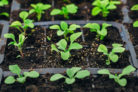
Other than needing that cold snap, Phlox is pretty easygoing. Simply scatter the seeds in your chosen spot and give them a little water if the weather is dry. If you want a head start, you can begin sowing them on a sunny windowsill indoors starting in February. This is the best move if you want strong, sturdy plants ready to go by early spring.
Does Phlox reseed itself?
It sure does! Phlox is great at propagating itself without any help from us. This is especially true for groundcover varieties, which use self-seeding to spread out and fill in gaps quickly. If you want to keep your flower beds from getting a bit too wild and crowded, just make sure to harvest the seeds after they bloom or trim back those faded flowers before they have a chance to drop their seeds.