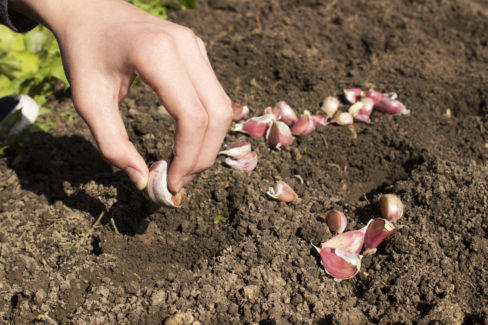
Garlic (Allium sativum) is a member of the lily family, and while it might have a pretty shallow root system, it definitely packs a punch in the flavor department! People have been using it as both a seasoning and a natural remedy for thousands of years, making it an absolute “must-have” for any home garden. To make sure your harvest is a success, I’ve put together a guide with everything you need to know to grow great garlic.
When to Plant Your Garlic
Whether you call it “the stinking rose” or just your favorite kitchen staple, garlic is actually pretty flexible. You can plant it twice a year! The best times to get it in the ground are in the early spring (around late February) or in the fall from September through October.
Location and Soil Prep
Think of your soil as a living organism—its quality is going to make or break your plants. As a gardener, getting to know your dirt is key! Garlic thrives in loose, well-draining soil that’s rich in organic matter (humus). Pick a spot that gets plenty of sun and is protected from harsh winds to ensure a bountiful harvest.
How to Get Your Garlic in the Ground
When you’re ready to plant, just follow these simple steps:
- Clear out any weeds from your garden bed.
- Mix in some fresh compost to give the soil a nutrient boost.
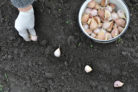
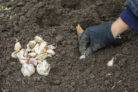
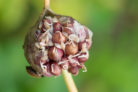
- If you’re planting bulbils (the tiny “babies”), space them 4–6 inches apart and about an inch deep.
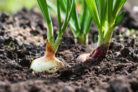
- If you’re planting cloves, tuck them about 2 inches deep with the pointy side facing up.
- Cover your bulbils or cloves back up with soil.
- Give them a gentle watering to help them settle in.
Growing Garlic in Containers
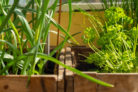
Don’t have a big backyard? No problem! Garlic grows surprisingly well in window boxes or large pots if you give it the right setup. Use a high-quality potting mix from your local garden center. Since garlic hates “wet feet,” I highly recommend adding a drainage layer at the bottom of your pot using old terra cotta shards or stones. Make sure your container has drainage holes so excess water can escape!
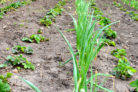
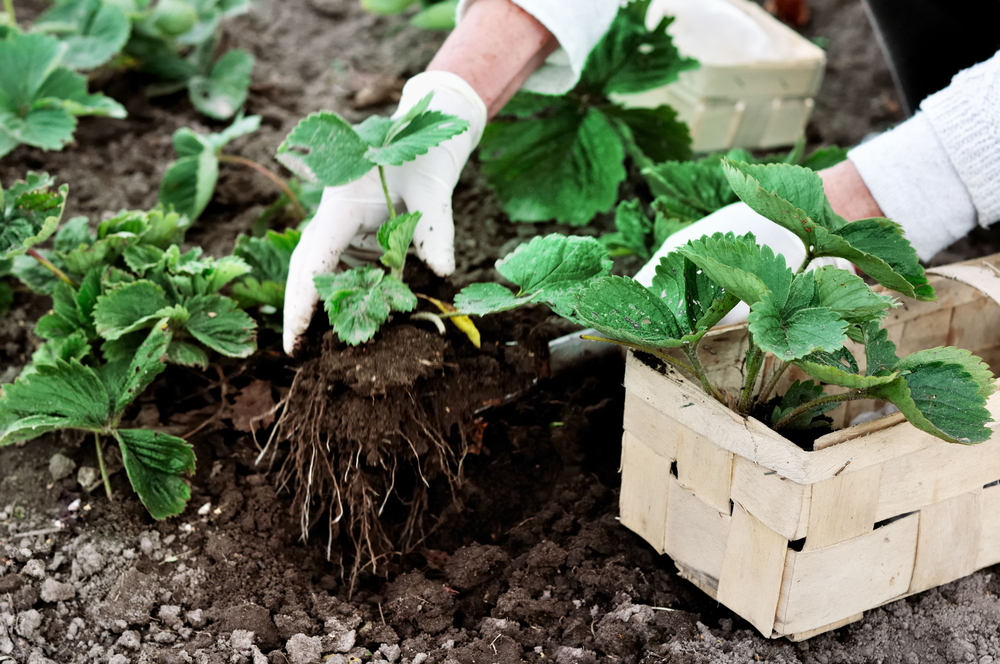
Pro Tip: Garlic is a fantastic companion plant! Try tucking it in next to your strawberries, carrots, or tomatoes to help keep pests at bay. Plus, garlic’s natural antifungal properties help keep the surrounding leaves and fruit healthy and fresh for longer.