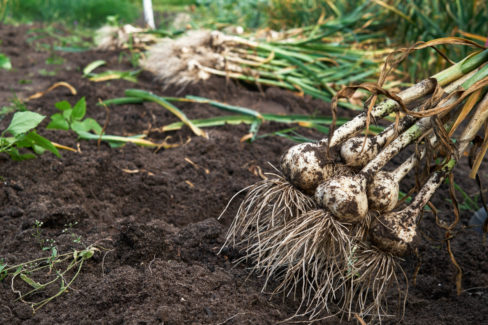
Garlic is hands-down one of the most popular ingredients in the kitchen, and let’s be honest—nothing beats the mild, buttery flavor of homegrown garlic fresh from the garden. But if you’re growing your own, how do you know when it’s actually time to dig it up, and what’s the best way to do it?
Finding the Perfect Harvest Window
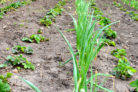
Generally, you’re looking at a harvest window between late July and early August, once the foliage starts to die back. Starting in late June, you’ll notice the stems and leaves shifting from vibrant green to yellow. The “sweet spot” for harvesting is when about two-thirds of the plant has turned yellow. That’s your cue to get those bulbs out of the ground! If you time it just right, the bulb will still be tightly closed and firmly attached to the stem.
What Happens if You Wait Too Long?
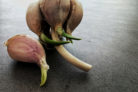
If you miss that window and leave them in the ground too long, the bulbs can start to over-mature and split open, causing the individual cloves to separate. This is bad news for storage—especially if the weather is damp—because open bulbs are much more prone to fungal diseases and won’t stay fresh in the pantry for very long.
How to Harvest Garlic Like a Pro
To get your garlic out safely, use a garden fork to gently loosen the soil around the bulbs. If your soil is super loose and sandy, you might be able to just pull them out by the stems. Once they’re out, gently brush off any excess dirt from the roots and bulbs, then let them dry out thoroughly. Remember: good airflow and dry conditions are the keys to making your garlic last.
Storing Your Garlic After the Harvest
The best part about harvesting garlic? You can eat it immediately! Fresh “green” garlic has a wonderfully mild flavor, and many gardeners swear it doesn’t give you that “garlic breath” as much as the dried stuff does. Since you probably can’t eat your whole harvest at once, drying is the way to go. Just bundle the bulbs by their stems and hang them in a sunny spot that’s protected from the rain. If you’re looking for other ways to keep your harvest going, you can also preserve it in oil or vinegar or even pop it in the freezer.
Crop Rotation: What to Plant Next
In the gardening world, crop rotation is key. This just means switching up what you plant in a specific spot each year so you aren’t growing the same plant families back-to-back. This keeps your soil healthy and prevents pests and diseases from moving in, since plants in the same family tend to eat the same nutrients and leave behind the same “waste.” Whatever you do, make sure you don’t plant garlic in the exact same spot next year!