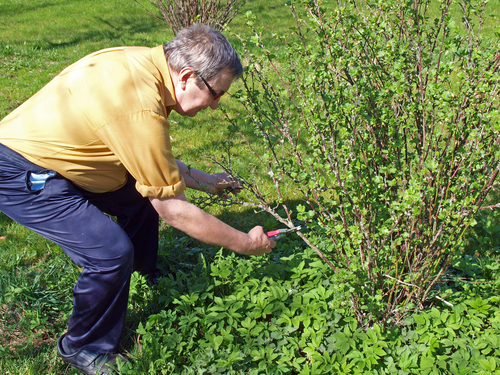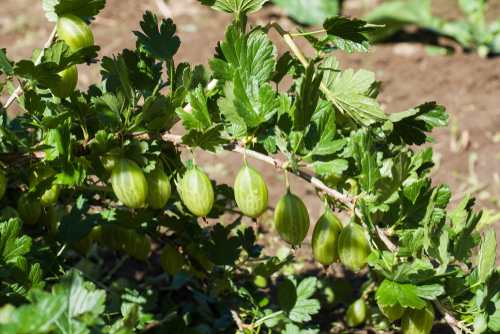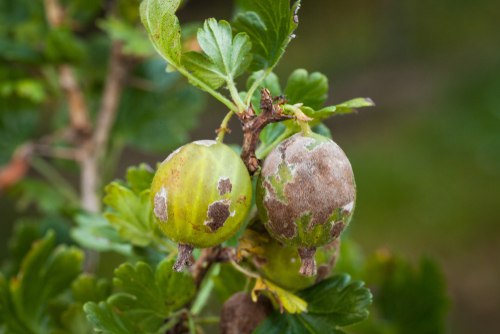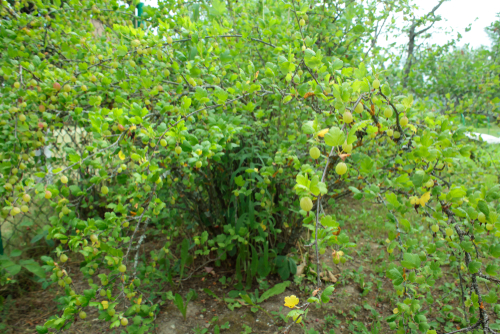
There’s honestly nothing like picking fresh gooseberries straight from your own backyard. The flavor difference compared to the ones you find at the grocery store is just night and day! Plus, since they aren’t particularly fussy to grow, there’s really no reason not to give them a spot in your garden.
When is the best time to plant gooseberries?
The “perfect” time to plant depends a bit on what you’re buying. If you’ve got a container-grown plant from the nursery, you can technically pop it in the ground year-round, as long as the soil isn’t frozen. However, if you want to give your gooseberry the best head start, autumn is the way to go—specifically October and November.
During the fall, the soil is usually nice and moist, and you don’t have to worry about those scorching hot, dry days stressing out a new plant. It also gives the bush plenty of time to establish a solid root system before winter hits. If you miss the fall window, don’t sweat it; early spring is a great backup plan.
Finding the perfect spot
If you want a bumper crop of berries, location is everything. You want to set your gooseberries up for success by picking a spot that meets these criteria:
- Full sun to partial shade (try to avoid spots with punishing, direct midday sun).
- Warm and bright.
- Sheltered from harsh winds, but with enough airflow to keep the leaves dry.
- Rich, humus-heavy soil.
- Moist, loamy consistency.
- Loose soil with a bit of lime/calcium.
While some fruit bushes thrive in dry, sandy soil, gooseberries aren’t really fans of it. If your garden soil is a bit sandy, you can fix it up by mixing in a generous amount of mature compost and some clay or loam before planting.
How to plant your gooseberries
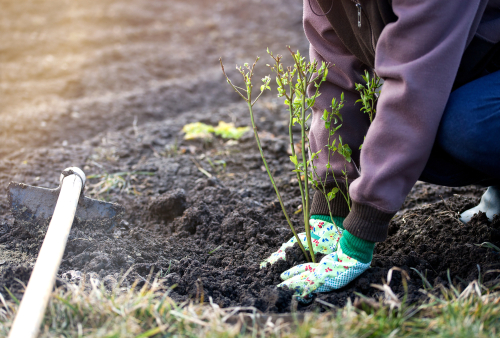
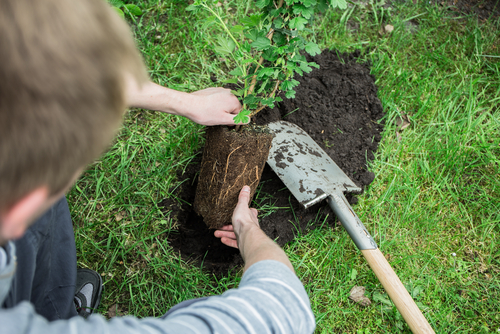
Gooseberries love fine, crumbly soil because it helps their roots spread out quickly. Before you start digging, give the area a good turn with a spade—about two spade-blades deep—to loosen everything up. You’ll want to dig a hole that is roughly twice the size of the root ball. Pro tip: As soon as you get your plant home, soak the root ball in a bucket of water. This prevents it from drying out and makes the “moving day” much easier on the plant.
Mix the soil you dug out of the hole with some compost and horn meal (or a similar organic fertilizer). Place the plant in the hole, fill it back in, and press the soil down gently. The most important step? Water it thoroughly! Young plants dry out fast. To help keep that moisture in the ground, I highly recommend mulching around the base. You can use:
- Nettle clippings
- Fern fronds
- Comfrey leaves
Finally, make sure you give your plants some elbow room. If you’re planting a row or a gooseberry hedge, space them about 5 to 6 feet apart. If you are growing them as standards (tree-form), you can get away with about 4 feet. Proper spacing isn’t just about looks—it’s the best way to prevent pests and diseases by ensuring good air circulation. Happy planting!