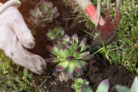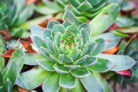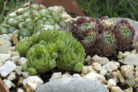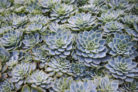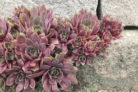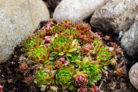
Once you’ve got your Hens and Chicks (Sempervivum) in the ground, you can pretty much sit back and relax. These little succulents are the ultimate low-maintenance plants; they don’t need fertilizer, and you’ll only need to grab the watering can during those really long, brutal dry spells. However, while they aren’t needy, they *are* a bit picky about where they live.
The More Sun, the Better
Ideally, you want to find the sunniest spot in your yard. The more hours of direct sunlight these plants get throughout the day, the happier they’ll be. Don’t worry about finding a spot that’s sheltered from the elements, either. Hens and Chicks are tough as nails—they can handle wind, storms, and even freezing winter temperatures without breaking a sweat. So, when you’re picking out the perfect location, feel free to put them right out in the open.
Keep Those Feet Dry
While these plants can handle cold and drought like champs, “wet feet” is their kryptonite. Good drainage is absolutely essential. No matter what kind of container you use for planting, make sure it has at least one drainage hole at the bottom. I also highly recommend adding a drainage layer of expanded clay pebbles or gravel at the base before adding your soil.
Go Easy on the Nutrients
When it comes to soil, think “lean and mean.” Hens and Chicks actually prefer soil that is low in nutrients. A gritty cactus or succulent mix works perfectly. If you don’t have any on hand, don’t worry—you can make your own by mixing standard potting soil with sand at a 2:1 ratio.
Perfect for Rock Gardens
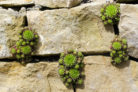
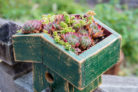
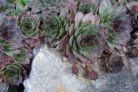
If your soil drains well, you don’t even need a pot! Hens and Chicks are the stars of the rock garden. If you have large enough rocks with little nooks and crannies, you can even plant them directly on the stone. For a more creative look, try tucking them into old roof tiles nestled among your rocks—it looks amazing!
A Little Bit of History
Planting these succulents on roof tiles is actually a nod to an old tradition. Back in the day, they were often called “Houseleeks.” In medieval times, people planted them on their roofs as a good omen, believing the plants would protect the home from lightning strikes and fires.
So, to recap, if you want your Hens and Chicks to thrive, just remember these three things:
- Find the sunniest spot possible.
- Make sure the water can drain away (no soggy roots!).
- Use nutrient-poor, sandy soil.