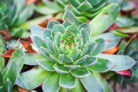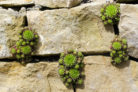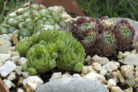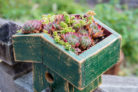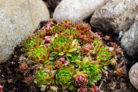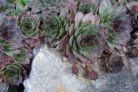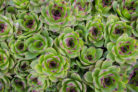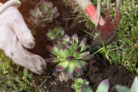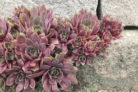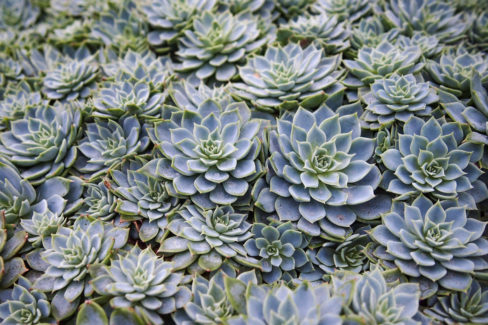
Ever heard of Hens and Chicks? These charming succulents belong to the genus *Sempervivum*, which literally translates to “always living.” And honestly, they earn that name! These little guys are tough as nails and can handle a deep freeze without breaking a sweat. In fact, it’s usually not the cold that kills them—it’s actually those soggy, mild winters that cause the most trouble.
Wind and Cold? No Sweat!
Originally hailing from the rugged peaks of the Alps and the Caucasus Mountains, Hens and Chicks are built for high-altitude drama. Because they’re used to harsh mountain climates, a typical winter is a walk in the park for them. They can survive arctic blasts and biting winds without any issues. They absolutely love soaking up the sun in bright locations, which are often exposed to the elements. So, if you’re looking for a plant that is truly “winter hardy,” this is your winner.
The Real Enemy: Too Much Water
While low temperatures don’t bother them, Hens and Chicks are definitely not fans of “wet feet.” Even when you’re first planting them, you only want to water them sparingly. This is why mild, rainy winters can actually be more dangerous than snowy ones. To keep them happy, make sure you plant them in soil that drains really well. If they sit in soggy dirt during the cold months, they’ll fall victim to root rot faster than you can say “succulent.”
Caring for Potted Hens and Chicks
If your plants are in the ground, you can pretty much leave them to their own devices all winter. However, if you have them in containers, they need a little extra TLC. Because pots are exposed on all sides, the frost can reach the root system more easily. To prevent this, wrap your pots in burlap, frost fleece, or even an old blanket. Most importantly, you want to insulate the bottom of the pot from the frozen ground. Try propping your containers up on:
- Wood blocks
- Styrofoam
- Straw