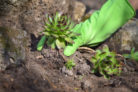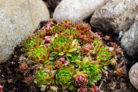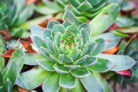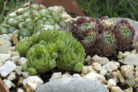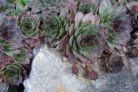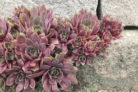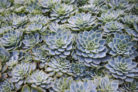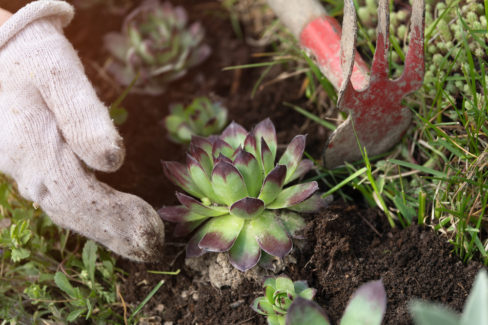
When it comes to watering and feeding, Hens and Chicks (Sempervivum) are about as low-maintenance as it gets. However, they aren’t quite so laid-back when it comes to lighting—these little succulents crave sunshine! To keep them happy, you’ll want to pick the sunniest spot in your garden. They’re also pretty picky about the type of soil they call home.
Less is More with Soil
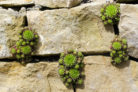
Since these plants don’t need many nutrients, they thrive in “lean” or poor soil. The cool thing about Hens and Chicks is that they don’t even need much of that poor soil to begin with. If you have a rock garden with large stones, you can actually just spread a thin layer of dirt right on top of the rocks. In nature, these plants develop very shallow root systems. They just need enough room to spread out horizontally, which is why larger rocks work best for this look.
Keep the Nutrients Low
The soil you use should be as gritty and nutrient-poor as possible. A store-bought cactus or succulent mix is usually your best bet. If you only have standard potting soil on hand, no worries—just mix it with sand (use a ratio of two parts soil to one part sand). This thins out the nutrients and, more importantly, helps the water drain away faster.
Watch the Moisture
Good drainage is the “make or break” factor for Hens and Chicks because they absolutely hate having “wet feet.” While they can handle long droughts without breaking a sweat, too much moisture will lead to root rot fast. If your garden soil is heavy or holds onto water, you’re better off planting them in containers.
Don’t Forget the Drainage
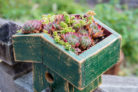
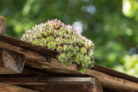
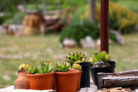
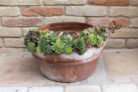
Since these plants need so little soil, you can get really creative with your planters. Old roof tiles or shallow terracotta dishes work beautifully. No matter what you choose, make sure there’s a drainage hole at the bottom and add a layer of drainage material to keep things dry. Great options for this layer include:
- Expanded clay pebbles
- Gravel
- Coarse sand