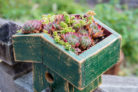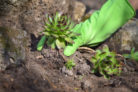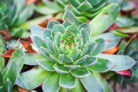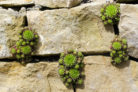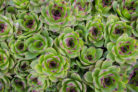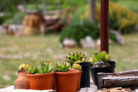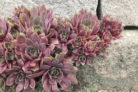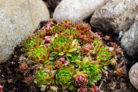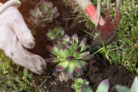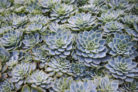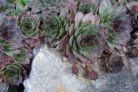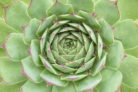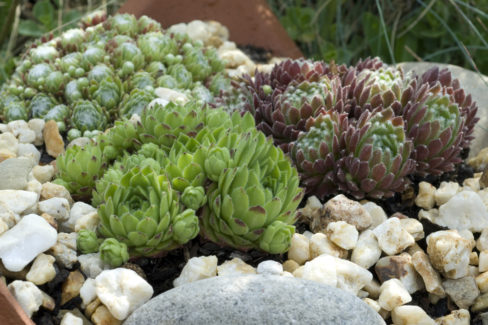
Some plants require a serious “green thumb” and constant attention just to stay alive. Then there are the easy-going rockstars of the garden, like Hens and Chicks (Sempervivum). These little succulents are incredibly low-maintenance and can thrive on total neglect—especially when it comes to watering.
Less is More
While other garden plants might wilt the moment you skip a day with the hose, Hens and Chicks are the exact opposite. They can handle long dry spells without breaking a sweat and absolutely love soaking up the rays in full-sun locations. In fact, the biggest danger to these plants isn’t a drought; it’s actually too much water.
Keep it Dry
If you get too enthusiastic with the watering can, the soil will stay damp, which is bad news for these succulents. They are very prone to root rot if they sit in wet feet. That’s why it’s crucial that any pots or containers you use have plenty of drainage holes. If you’re planting them directly in a garden bed, make sure the soil is very well-draining. For container gardening, I always recommend adding a drainage layer at the bottom. Good options include:
- Gravel
- Expanded clay pebbles
- Coarse sand
Read the Leaves
As a member of the succulent family, Hens and Chicks store water in their thick, fleshy leaves to survive dry periods. However, during a brutal mid-summer heatwave, even these tough guys might run low on reserves. You’ll know they’re thirsty if the leaves start to look shriveled or overly dry. Even then, don’t drown them! It’s better to give them a few light sips of water rather than one giant soak. The same rule applies during an unusually dry winter, since these hardy plants stay outdoors year-round. Just keep an eye on them—though honestly, you’ll rarely need to step in.