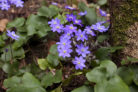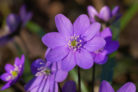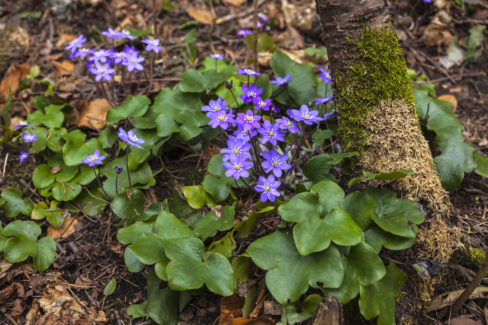
While wild Hepatica (commonly known as Liverleaf) is a protected species in the wild, cultivated varieties are a fantastic addition to any home garden or balcony. These charming spring bloomers are pretty easygoing as long as you get their location right. Here’s everything you need to know about bringing these little blue beauties into your own outdoor space.
Ways to Grow Hepatica
Hepatica is one of those spring bloomers that everyone falls in love with. In nature, you’ll usually spot them in deciduous forests, sunny clearings, or along the edges of meadows. The good news? They are just as happy at home! You can grow them in a few different ways:
- Planted directly in your garden beds.
- Tucked into pots or window boxes to brighten up your balcony or patio.
Finding the Perfect Spot
Before you start digging, make sure you’ve picked the right location. These plants love a spot with partial shade and soil that is loose, well-draining, and rich in nutrients. If you’re growing them in containers, the same rules apply—just keep a closer eye on your watering schedule and make sure they get a little extra plant food now and then to keep them happy.
When to Plant
Technically, you can put Hepatica in the ground year-round, provided the soil isn’t frozen and has a bit of warmth to it. Potted versions are especially flexible. However, if you want to give them the absolute best start, aim to plant them in the fall.
Transplanting Your Flowers
One of the coolest things about Hepatica is that they actually recruit ants to help spread their seeds! Because of this, you might find little “volunteers” popping up in random spots around your yard. If they land somewhere inconvenient, don’t worry—you can easily move them to a better spot. Again, fall is the best time to handle any transplanting.
Great for Underplanting
Since Hepatica grows low to the ground and takes its time spreading out, it’s the perfect candidate for “underplanting” beneath larger shrubs. They look especially stunning tucked under:
- Hazelnut bushes
- Lilacs
- Other similar deciduous shrubs
A Quick Safety Note: They Are Toxic
As much as we love their looks, keep in mind that Hepatica leaves and flowers are mildly toxic. If ingested, they can cause stomach issues, nausea, or inflammation. Even touching the plant can cause skin irritation for some people. To play it safe, I always recommend wearing a pair of gardening gloves whenever you’re handling them!