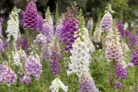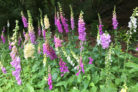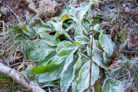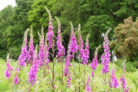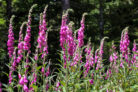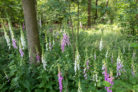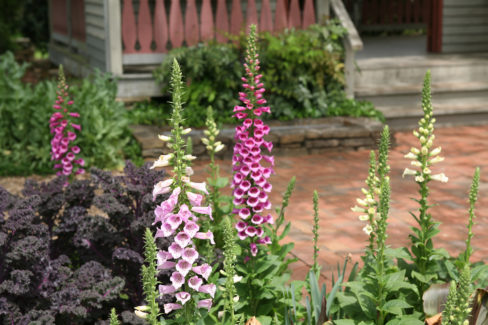
In the wild, foxgloves are pretty independent—they usually take care of their own reproduction by dropping seeds wherever they stand. But if you want to give your garden a little boost, you can easily take matters into your own hands by sowing and planting them yourself.
The Best Time to Plant Your Foxgloves
Even though foxgloves are generally hardy perennials, you’ll want to wait for the right window to get them in the ground. To make sure they settle in easily and get those roots established, avoid planting during a frost. Your best bet is to start in May, throughout the spring or summer, or even in the early fall.
Choosing Your Planting Method
You’ve got a couple of options when it comes to adding foxgloves to your landscape. You can go the “instant gratification” route by picking up established plants from your local nursery, or you can start from scratch by growing them from seed.
Buying Nursery Plants
Most garden centers sell foxgloves in pots. The great thing about container-grown plants is that they’re pretty flexible—you can transplant them into your garden beds almost any time during the growing season.
Growing Your Own from Seed
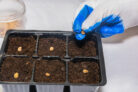
If you’re the DIY type and want to grow your own foxgloves from seed, you can buy seed packets or simply harvest them from plants you already have.
After a few weeks, you’ll see little seedlings popping up. Once they’re sturdy enough to handle, move them to their permanent home in a garden bed or a large container. Just a heads-up: give them some breathing room! Aim for about 12 to 15 inches (30–40 cm) of space between each plant.
Where to Plant Your Foxgloves
Foxgloves aren’t just for traditional flower beds; they’re incredibly versatile. Here are a few ways to use them:
- To add a pop of color and texture to mixed borders.
- As “underplanting” beneath trees or large shrubs.
- Using the taller varieties as a natural, decorative privacy screen.
- As a natural deterrent for slugs.
Fun fact: Foxgloves contain natural compounds that slugs and other pests absolutely hate. Planting them near your more “slug-vulnerable” plants can actually help keep the slimy invaders away!
Better Together: Plant in Groups
For that “wow” factor, try planting your foxgloves in small clusters. A group of three to ten plants usually looks best. This creates a stunning splash of color that really draws the eye. Just remember to keep that 12-to-15-inch spacing between them so each plant has enough room to thrive without competing with its neighbors.