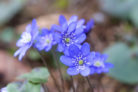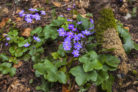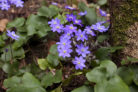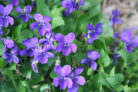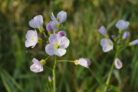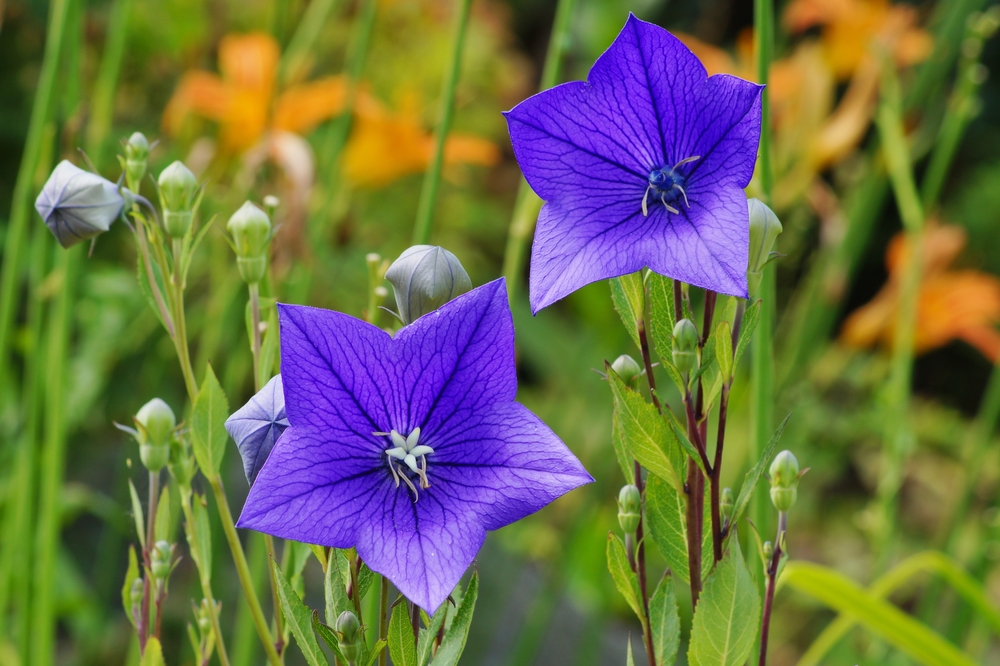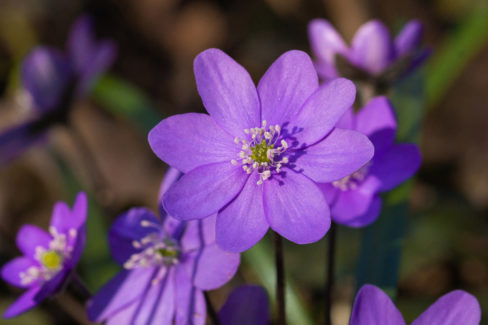
The Hepatica—or “Liverleaf” as many of us call it—is one of those charming early bloomers that signals spring is finally here. While you’ll often spot them tucked away in forests or meadows, they’ve become a real favorite for home gardens, patio pots, and window boxes. This little plant has some pretty unique quirks that make it a standout in any yard.
Finding the Perfect Spot for Your Hepatica
Liverleaf is pretty easygoing when it comes to its location, as long as it gets some light shade. It’s the perfect choice for underplanting larger shrubs like:
- Lilacs
- Forsythia
- Hazelnut bushes
One thing to keep in mind: Hepatica is a slow grower. You’ll want to make sure its faster-growing neighbors don’t crowd it out or accidentally smother it.
When Does It Bloom?
We gardeners love Hepatica because it’s one of the first signs of life after winter. During its blooming season in March and April, it puts on a show with beautiful blue-violet flowers. If you find them in a dense patch in the woods or along a meadow’s edge, they can create a stunning “sea of flowers.”
Caring for Your Hepatica
If you’ve picked the right spot, Hepatica is almost a “set it and forget it” plant. It requires very little maintenance. However, if you’re hitting a dry spell, make sure to give it a regular drink. This is especially important if you’re growing them in pots or containers, which dry out faster than the ground.
How Hepatica Spreads
In the wild, Hepatica reproduces naturally through seeds, and it actually has a very cool partnership with ants! Ants carry the seeds back to their nests as food. They eat what they need and toss the rest back to the surface, where the seeds sprout in the sunlight.
If you want to propagate them yourself, you can divide the plants. Just a heads-up, though: Hepatica can be a bit sensitive. Dividing them can sometimes stress the “mother plant,” and it might take a while for her to bounce back.
International Varieties
Hepatica isn’t just a European or North American classic; it’s actually a huge deal in Japan. Thanks to lots of cross-breeding and specialized cultivation, you can now find these beauties in colors far beyond the traditional blue-violet—including crisp whites, soft pinks, and deep purples.
Hepatica in Natural Medicine
You’ll often find Hepatica mentioned in herbal medicine circles. If you’re thinking about using it for home remedies, though, proceed with caution and stick to very light doses. In large amounts, the plant can actually be slightly toxic.
Also, a quick pro-tip: the flowers can cause skin irritation for some people. It’s always a good idea to pop on a pair of gardening gloves before you start picking or pruning.