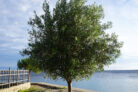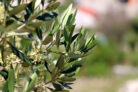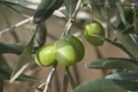
When you think of olive trees, you probably picture sun-drenched hillsides in Italy or Greece. These beauties have been cultivated around the Mediterranean since ancient times, mostly for their liquid gold—olive oil. Because of their history, these trees have some very specific preferences when it comes to their home in your garden.
Low Nutrients? No Problem!
The first thing most gardeners ask about soil is, “How much fertilizer does it need?” Well, here’s some good news: olive trees are actually used to the rocky, nutrient-poor soils found in Southern Europe. They’re tough survivors, and that definitely influences how you should plan your planting.
Give Them Some Breathing Room
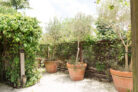
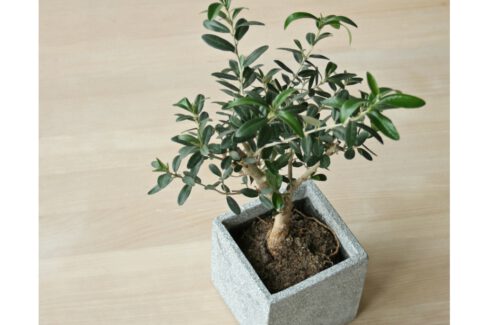
If you aren’t keeping your olive tree in a pot and want to plant it directly in the ground, you need to think about space. First off, since they aren’t big fans of freezing temperatures, outdoor planting is really only a good idea if you live in a mild climate. Secondly, olive trees need plenty of elbow room. Their root systems spread out wide to soak up every bit of energy they can from that lean soil. To keep them happy, try to keep other plants at least 20 to 25 feet away.
It’s All About Drainage
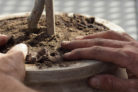
If there’s one thing an olive tree hates, it’s “wet feet.” Soil permeability is way more important than nutrient levels. These trees thrive in loose, airy soil. In heavy, compacted dirt—especially with the rain we get compared to the Mediterranean—they can easily suffer from waterlogging. Whether you’re planting in a container or the backyard, always make sure you have a solid drainage layer. Mixing in some coarse sand or gravel works wonders to help that water flow through.
When it comes to the perfect soil mix, just remember these three golden rules:
- Keep the nutrient levels relatively low.
- Make sure the soil is loose and airy.
- Always provide drainage so excess water can escape.