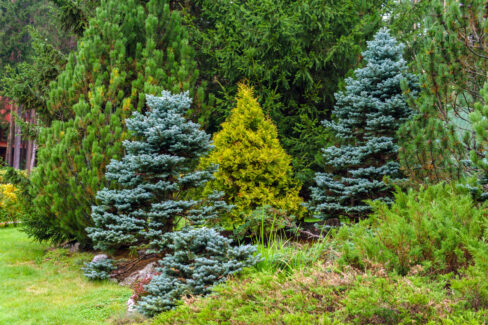
Looking to green up that bare, dusty patch under your spruce tree? Adding some underplanting is a fantastic way to bring a pop of color and life to an otherwise drab spot. However, I’ll be honest with you: planting under a spruce can be a bit of a challenge. But don’t worry! If you pick the right species, you can absolutely create a lush little oasis right under those needles.
Why spruces are picky neighbors
Generally speaking, spruces aren’t the easiest roommates for other plants. The main reason? Their root system. Spruces are shallow-rooted, meaning their roots spread out wide and stay very close to the surface. This makes digging a hole for a new plant feel like navigating a wooden obstacle course.
On top of that, those falling needles create an acidic soil environment that many plants just can’t handle. Plus, that thick, sprawling canopy creates a permanent “shade zone.” Any plant you choose needs to be tough enough to handle low light and the occasional shower of falling needles and cones.
What to look for in a companion plant
If you want your underplanting to thrive, your chosen plants need to check a few boxes. First, skip anything that grows tall and upright; you’re much better off with groundcovers or plants with shallow roots. Since the soil under a spruce is naturally acidic, you’ll need “acid-loving” varieties.
Most importantly, these plants have to be shade-tolerant. A spruce’s heavy branches don’t let much sunlight through, keeping the ground underneath dark, cool, and damp.
The best plants for the job
Thanks to their hardy nature and growth habits, these plants are great candidates for living under a spruce:
- Ornamental grasses of all kinds
- Low-growing groundcovers
- Small perennials
- Compact shrubs like cherry laurel, lingonberries, or blueberries
- Various types of ferns
- Arnica
- Lady’s Slipper orchids
- Marsh Marigolds
Pro tips for planting
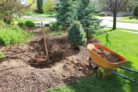
When you’re ready to start planting, the golden rule is: watch out for the roots! Since spruce roots sit right at or just below the surface, be very careful with your shovel or spade. You don’t want to hack away at the tree’s lifeline.
If the lower branches of your spruce are hanging too low and getting in the way, feel free to prune them back. To give your new plants a head start, fill the planting holes with high-quality potting soil and compost. After you’re finished, spread a layer of bark mulch to help lock in moisture and provide some extra nutrients.
One last tip: for the first few weeks, make sure to water your new plants deeply and regularly. Those established spruce roots are “water hogs” and won’t share the soil’s moisture reserves without a fight!