Spruce trees are what we call “shallow-rooted” plants. But what does that actually mean for your backyard, how do these roots behave, and what are the pros and cons of this specific growth habit? Let’s dig into the details.
Spruces are Shallow-Rooted
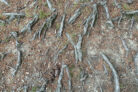
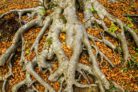
The roots of a spruce are designed to stay near the surface. This means they spread out just a few inches below the soil line—in fact, you’ll often see them popping up right on top of the ground. While they don’t dive deep into the earth, they spread out wide, usually mirroring the width of the tree’s crown above.
The Pros of Shallow Roots
One big advantage of being a shallow-rooter is the ability to grab rainwater and nutrients instantly. These surface-level roots soak up moisture the second it hits the ground, long before it has a chance to sink deep into the soil.
The Cons of Shallow Roots
On the flip side, water hidden in deeper soil layers is totally out of reach for a spruce. This makes regular watering from above super important to ensure your tree stays hydrated and healthy.
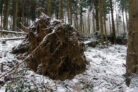
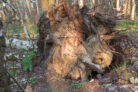
Another major downside is that these trees are pretty vulnerable to high winds. It’s not uncommon to see spruces fall victim to storm damage because they lack a deep anchor.
Also, because those roots take up so much space right at the surface, planting underneath a spruce can be a bit of a challenge. There’s a lot of competition for space and nutrients!
Developing Sinker Roots
Here’s a cool fact: if the soil conditions are just right, a spruce can actually grow “sinker roots.” These are vertical roots that branch off the horizontal ones and can dig down as deep as six feet. This helps balance out the weaknesses of shallow roots, allowing the tree to tap into deep-water reserves.
To encourage these sinker roots, the soil needs to be:
- Well-draining
- Aerated
- Loose and crumbly
- Avoid heavy, dense, or waterlogged clay, as roots won’t be able to penetrate it.
Give Them a Hand When Planting
When you’re planting young spruce trees, it’s a smart move to use a support stake for the first few years. This gives them the extra stability they need to stand tall against strong gusts while their root system establishes.
Keep Your Distance from Buildings
When picking a spot for your spruce, make sure to give buildings, walls, and property lines plenty of breathing room. Since the roots spread out so wide, they can eventually heave garden tiles or even damage masonry. Plus, because they are prone to tipping in storms, you want to make sure they aren’t close enough to hit your house (or your neighbor’s!) if the worst happens.