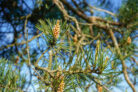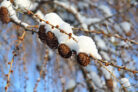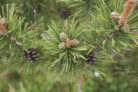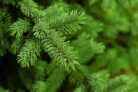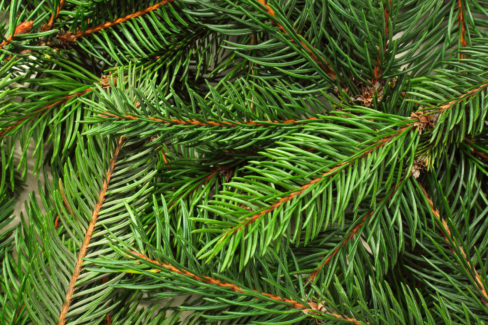
Spruce trees are some of the most iconic evergreens you’ll spot in our forests and backyards. While most of us can spot a conifer from a mile away, the needles are the real secret to telling a spruce apart from its cousins, like firs or pines. But there’s way more to these little green needles than meets the eye!
Needles are actually leaves
Even though we call them “needles,” from a botanical standpoint, they’re actually leaves! They’ve just evolved into a very specific, needle-like shape to handle the elements.
Why needles are a superpower
Spruce trees didn’t get needles by accident—they offer some pretty cool survival perks. Most conifers stay green year-round because their needles are tough and compact, making them incredibly resistant to frost and freezing temperatures.
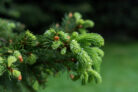
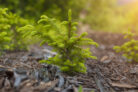
They also act as a built-in security system. The sharp, stiff needles are great at discouraging hungry animals from taking a bite. This mostly applies to the older growth, though; those bright green young spruce tips in the spring are actually quite soft and tasty!
Identifying spruce needles
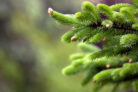
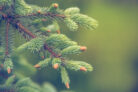
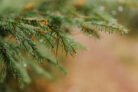
Spruce needles are relatively short, stiff, and have a sharp point at the end. A great way to identify them is to look at how they grow: spruce needles wrap all the way around the branch, pointing out in every direction.
Spruce vs. the Neighbors
If you’re trying to figure out what kind of evergreen you’re looking at, the needles are your best clue.
Pine Needles
Pine needles are much longer, usually reaching between two to three inches. They also tend to be softer and don’t prick you nearly as much as a spruce.
Fir Needles
Fir needles are also softer than spruce needles. Plus, instead of growing all the way around the branch, they usually grow in two flat rows on either side of the twig—kind of like a hair comb.
What if your spruce is shedding?
Normally, a spruce tree is an “evergreen” pro and keeps its needles through the fall and winter. However, if you notice your tree is starting to drop its needles, it’s usually a sign of stress. Common culprits include:
- Long periods of drought
- Lack of essential nutrients
- Soil that is too compacted
- Pests, parasites, or diseases
When needles turn brown
Just like needle loss, browning is a cry for help from your tree. It’s often caused by:
- Not enough water or nutrients
- The soil pH being off
- Damage from extreme frost or road salt in the winter
- Pest infestations or fungal diseases
Cooking with spruce needles
Did you know you can eat them? Fresh, bright green spruce tips have a unique, citrusy-pine flavor. They’re surprisingly versatile in the kitchen! You can use them for:
- Making homemade liqueurs or herbal teas
- Adding a zing to salads or desserts
- Whipping up a unique herb butter or pesto
- Creating a refreshing, aromatic bath soak
Health benefits of spruce
Spruce needles have been used for ages for their healing properties. They’re known for being soothing and helping with pain relief. Many people use them to help clear up colds and respiratory infections, or as a topical treatment for sore muscles, rheumatism, and gout.