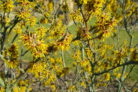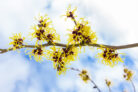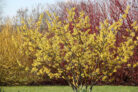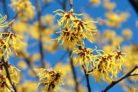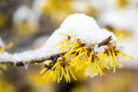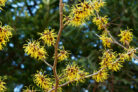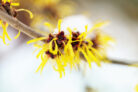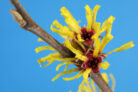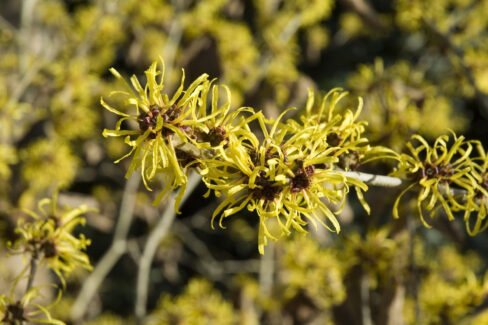
Witch hazel (Hamamelis) is a total game-changer for winter gardens, showing off vibrant, colorful blooms when everything else is looking a bit gray. It’s no surprise that more and more home gardeners are falling in love with this shrub. But if you’re ready to add one to your yard, you might be wondering: when is the best time to get it in the ground?
The Best Time to Plant
If you want to set your witch hazel up for success, fall is the absolute best time to plant. If you miss the fall window, early spring is a solid runner-up. Depending on which variety you choose, your bloom times will vary. During a particularly mild winter, you might see the first blossoms as early as December. However, for most types, the real show happens between January and March. If you go with Common Witch Hazel (Hamamelis virginiana), you’ll actually see those beautiful flowers arrive in the fall.
Patience is a Virtue
One thing to keep in mind: witch hazel is definitely not in a hurry. It’s known for being a slow grower and needs a little extra time to get its roots established. Don’t be discouraged if you don’t see those iconic flowers during the very first winter; it usually takes a season or two to settle in. Just give it some love and patience, and it’ll reward you with a stunning display for years to come. Even as they age, these shrubs stay manageable, usually topping out between 6 and 20 feet tall.
How to Plant Your Witch Hazel
Planting witch hazel is pretty straightforward, even if you don’t have a green thumb yet. Start by digging a hole large enough to fit the root ball comfortably with some extra room for compost to give it a nutrient boost. Be extra gentle here—witch hazel roots are sensitive, and damaging the root ball can really set the plant back. Once it’s in the ground, give it a good drink of water. You want the soil moist but not swampy, as “wet feet” (standing water) can cause issues. A nice layer of bark mulch around the base is a great trick to help keep that moisture in the soil.
Location is everything for this shrub. It craves a sunny spot that’s tucked away from harsh winds. It also performs best in loose, well-draining soil. One pro tip: pick your spot carefully and plan for about 170 square feet of space. Witch hazel really hates being moved once it’s settled, so transplanting it later on is usually a no-go.
Witch Hazel Planting: Quick Tips and Facts
- Fall is the ideal planting season.
- Spring is a great alternative if you miss the fall window.
- Be patient—it’s a slow grower!
- Don’t expect blooms during the very first winter.
- Handle the root ball with care during planting.
- Keep it well-watered while it’s getting established.
- Pick a permanent “forever home” for it right from the start.