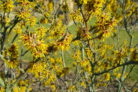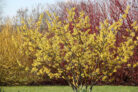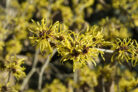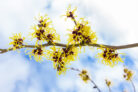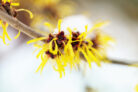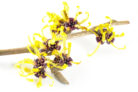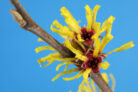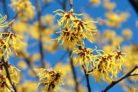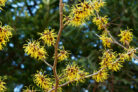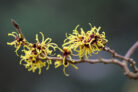
Witch hazel (also known by its botanical name, *Hamamelis*) is such a unique character in the garden. It’s one of those plants that grabs your attention immediately with its funky, ribbon-like blooms. But unlike most of your garden favorites, witch hazel waits until the dead of winter to really steal the show.
Witch Hazel in Winter
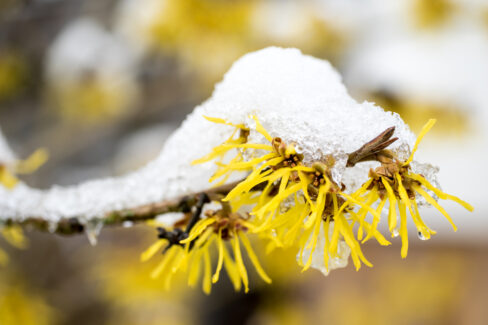
Witch hazel is famous for putting on a spectacular color show right when everything else looks gray. Despite the freezing temps, those signature spider-like blossoms start peeking out. While a few varieties start blooming in the fall, most of the magic happens between January and March. If you’re having a particularly mild winter, you might even see some color as early as December! Don’t worry about the cold, either—witch hazel is incredibly hardy. When the frost hits, the plant simply curls up its petals to protect itself.
The best part? Witch hazel is famously low-maintenance, and it won’t give you much trouble during the winter months. You can skip the fertilizer entirely while it’s cold out. Just keep an eye on the water: if the weather stays mild, make sure the root ball doesn’t completely dry out.
Why Isn’t My Witch Hazel Blooming?
If you’re staring at bare branches and wondering where the flowers are, there are a few likely culprits. Extreme, prolonged deep freezes can sometimes delay things. However, the most common issue is usually “location, location, location.” Witch hazel loves a sunny spot that’s protected from harsh winds. Choose your spot carefully, though—this plant hates being moved. Transplanting it can cause it to “sulk” and stop blooming for several years. Similarly, a pruning job that’s too aggressive can cut off your flower supply. And keep in mind, if you’ve just finished planting a young shrub, it’s normal for it to take a season or two to settle in before it starts flowering.
What About the Summer?
Even though we love it for the winter, summer is actually when you lay the groundwork for those winter blooms. Make sure your plant stays hydrated so it doesn’t get stressed during heatwaves. Just don’t overdo it—waterlogged soil can lead to root issues. A little compost or organic fertilizer in the spring is also a great way to give it a boost. If you take care of it during the growing season, it’ll reward you by showing off its best side once the snow flies.
Witch Hazel Winter Quick Tips:
- Witch hazel is a winter-bloomer.
- The plant is very hardy and handles frost like a pro.
- In extreme cold, it curls its petals for protection, but it won’t die.
- No special maintenance is required during the cold months.
- If it isn’t blooming, it’s usually due to a “hiccup” in care or placement.
- Summer care is the secret to a beautiful winter display.