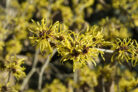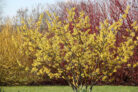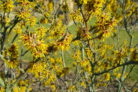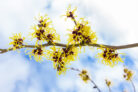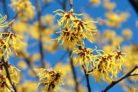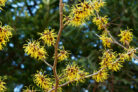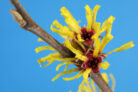
Witch hazel, also known as Hamamelis, is generally known as a pretty low-maintenance addition to the garden. However, if yours is refusing to bloom, it’s usually because of a “wrong place, wrong time” situation or a few specific care needs that aren’t being met. While she’s easy-going, she does have a few non-negotiables.
When Does Witch Hazel Bloom?
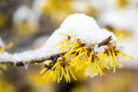
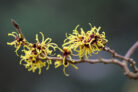
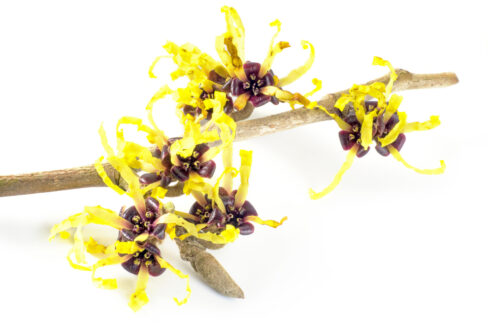
Witch hazel is one of those rare, magical plants that brightens up the garden during the dead of winter. Typically, its blooming season hits in January. If we’re having a particularly mild winter, you might even see those stunning flowers as early as December. The coolest part? These blooms are frost-proof. When the temperature drops, the petals simply curl up to protect themselves and then unfurl again once it warms up. Some varieties, like the Common Witch Hazel (*Hamamelis virginiana*), actually start their show in the fall.
What Your Witch Hazel Needs to Thrive
If you want a spectacular winter show, you actually have to start preparing in the summer. During those scorching months, the biggest goal is making sure the plant doesn’t dry out. You want to keep the soil consistently moist. Usually, Mother Nature handles this with rain, so you’ll only need to break out the hose during a real heatwave. Just a heads-up: don’t overdo it! Witch hazel hates “wet feet” (standing water), so aim for damp, not soggy. If you can, use rainwater—it’s much better for the plant than tap water.
When you first bring your witch hazel home, pick a spot that gets full sun to partial shade. Choose wisely, because this plant is a total homebody—it absolutely hates being transplanted. Moving it can stress the plant so much that it might stop blooming for several years. To give it an extra boost, mix in some organic fertilizer or compost in the spring.
Troubleshooting: Why Isn’t My Witch Hazel Blooming?
If your witch hazel is looking a little bare this winter, don’t panic. There are a few simple but effective things you can do to get it back on track. Keep these tips in mind:
- Pick the right spot from the start and leave it there.
- Avoid transplanting or moving the plant if at all possible.
- Keep the soil consistently moist.
- Give it extra water during dry summer spells.
- Use rainwater for watering whenever you can.
- Make sure the soil drains well to avoid standing water.
- Feed it with organic fertilizer every spring.