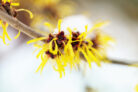
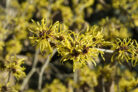
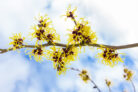
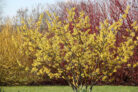
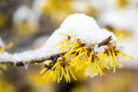
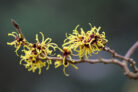
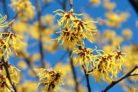
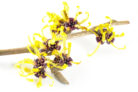
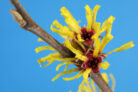
Witch hazel is known for being a pretty low-maintenance guest in the home garden. Even though it has a few specific preferences regarding soil and location, it’s generally a very easy-going shrub. However, moving a witch hazel can lead to a bit of a rude awakening if you aren’t careful.
Moving Your Witch Hazel
There are plenty of reasons why you might need to shuffle plants around in your garden. With witch hazel (*Hamamelis*), the most common reason is usually a lack of space, as these beauties can get quite wide and sprawling. But here’s the catch: once the plant is fully grown, moving it is almost impossible. The risk of it dying at the new site is just too high. If you have an older specimen, it’s much better to leave it right where it is at its current location.
The younger the witch hazel is, the better its chances of surviving a move. Even then, it won’t go completely unnoticed—you’ll likely have to go without those stunning winter blooms for a few years while it recovers. So, definitely think twice and make sure moving it is absolutely necessary before you grab the shovel.
How to Do It
If you decide to go for it, fall is the best time to transplant. Start by digging a hole large enough to accommodate the entire root ball plus a good helping of organic fertilizer. Compost is a great choice here; it helps the plant establish new roots more easily. Dig up the witch hazel carefully, taking extra care not to damage the root system. Once you’ve finished planting it in its new home, make sure to give it plenty of water.
Choosing the Right Spot from the Start
To avoid the headache of a move or a radical pruning session later on, it’s best to plan for plenty of space right from the start. Space requirements vary by variety, but as a general rule of thumb, you should plan for about 170 square feet (16 m²). The spot should be sunny and protected from harsh winds. Choose the location wisely, and you’ll be able to enjoy your witch hazel for a long, long time.
Moving Witch Hazel: Key Takeaways
- Moving the plant is stressful and can cause damage.
- Avoid moving older, established specimens entirely.
- Young plants handle it better but may stop blooming for several years.
- Fall is the best season for transplanting.
- Choose your initial planting site very carefully.
- Plan for about 170 square feet of space per plant.