Witch hazel is famous for those stunning, spindly blooms that bring a pop of color to the garden when everything else is dormant in winter. But let’s talk about something most gardeners overlook: the fruit. It usually takes a backseat to the flowers, but as you’re about to see, it’s actually pretty fascinating in its own right.
The Fruit of the Witch Hazel
Not every variety of witch hazel (Hamamelis) will produce fruit. If you’re looking for those woody capsules, the Common Witch Hazel (*Hamamelis virginiana*) is your best bet. At first glance, the fruit looks a lot like a hazelnut because of its tough, woody shell. However, don’t let the name fool you—they aren’t actually related to hazelnuts at all! Inside each capsule, you’ll find two seeds. When they’re fully ripe, the pod snaps open with enough force to shoot the seeds up to 30 feet away from the original plant. If you’re planning on propagating your witch hazel, you’ll want to harvest those pods before they decide to launch their seeds across the yard!
How to Use Witch Hazel Fruits
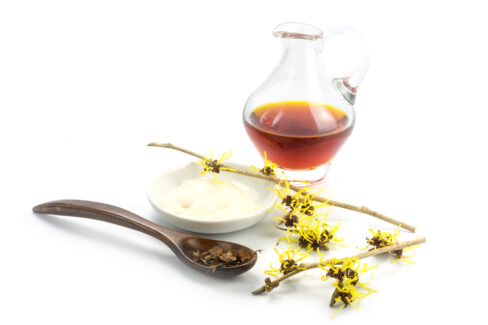
Believe it or not, witch hazel fruits are actually edible and have a decent flavor. Even so, you won’t really find them in many recipes these days. Where this plant truly shines is in the world of medicine and skincare. Witch hazel is a staple ingredient for treating skin issues; you’ll find it as a base for various ointments designed to soothe dry or irritated skin. It’s also a go-to in homeopathic remedies.
Beyond the fruit, the leaves and bark can be brewed into a tea. This traditional remedy is often used to help with digestive issues like diarrhea or applied topically to clean minor wounds. Just a quick heads-up: always chat with your doctor before trying out alternative herbal therapies. It’s clear that witch hazel is way more than just a pretty face in the garden—it’s a hardworking “utility” plant that’s earned its keep.
Witch Hazel Fruit: Quick Facts
- Not all Hamamelis varieties produce fruit.
- Some types are strictly ornamental, while others are grown for their practical uses.
- It has a wide range of applications in medicine and cosmetics.
- The fruit consists of a woody capsule containing two seeds.
- The pods look strikingly similar to hazelnuts.
- Once ripe, the pods “explode,” launching seeds several yards away.
- If you want to grow new plants from seed, harvest the capsules before they pop.