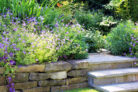
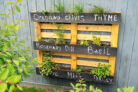
With the right selection of plants, a garden with sandy soil can be transformed into a blooming paradise. We’re highlighting the seven most popular plants for dry, sandy ground—plus, we’ll share our favorite “insider tip” for your landscape.
[[pflanzen]]
++Rock Cress (Aubrieta)
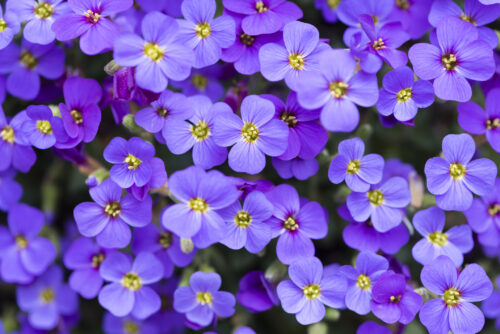
In the spring, these attractive cushion-forming perennials are completely smothered in blue, violet, pink, or white flowers. Their silvery-green foliage is evergreen, which means they’ll keep your garden looking lively even during the cold winter months. Originally from the Mediterranean, these hardy plants love sunny, dry spots and well-draining, sandy soil. They are incredibly low-maintenance and rewarding; you’ll really only need to give them a drink during long stretches without rain.
++Large-Flowered Tickseed (Coreopsis grandiflora)
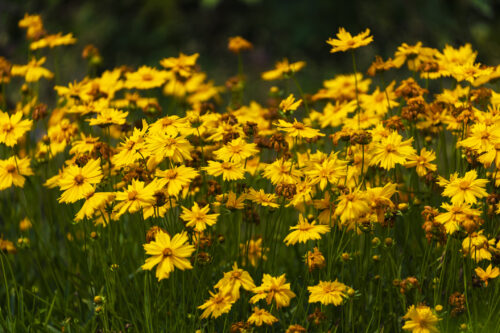
Native to North America, these members of the aster family are tireless bloomers, pumping out new buds from June all the way into October. Their bright, daisy-like flowers light up the garden in shades of yellow, white, pink, or red. Depending on the variety, the leaves can be narrow or fern-like. These long-bloomers can’t stand “wet feet,” so they need sandy, well-drained, and relatively dry soil to thrive. Because they put so much energy into flowering, it’s a good idea to divide them every three years and replant them in fresh soil enriched with a little compost.
++Barrenwort / Fairy Wings (Epimedium)
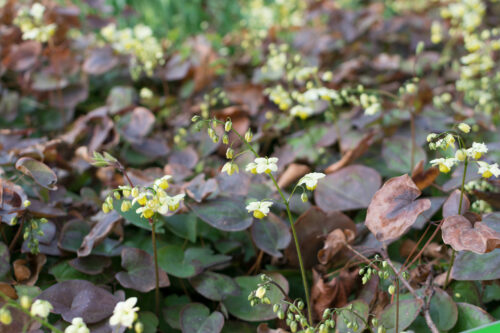
Dry, sandy spots in the shade can be a real challenge to plant. Luckily, the charming Barrenwort thrives in mineral-rich, low-humus soils in shady locations. This groundcover features heart-shaped leaves and reliably greens up those bare spots under trees (as long as the root competition isn’t too intense). Before or during the new leaf growth, this evergreen beauty produces delicate clusters of flowers in white, yellow, orange, pink, red, or purple. Some varieties even offer a bonus: the foliage turns a stunning reddish-bronze in the fall.
++Great Mullein (Verbascum densiflorum)
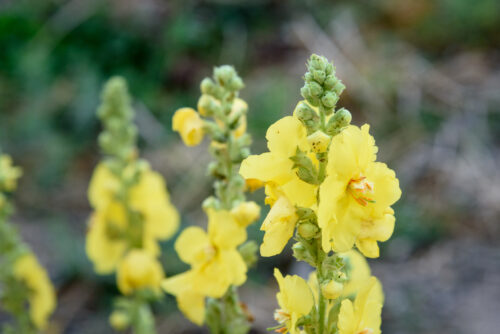
Mullein is typically a biennial, meaning it dies off after its seeds ripen. However, it’s a reliable self-seeder, forming a green rosette in its first year and a towering flower spike the next. They feel right at home in sunny spots with very sandy, porous soil. The plant is covered in a dense, woolly fuzz that protects it from drying out in the sun. Reaching heights of six to nine feet, this perennial is a real showstopper with its tall, cylindrical flower spikes packed with characteristic five-petaled blooms.
++Catmint (Nepeta)
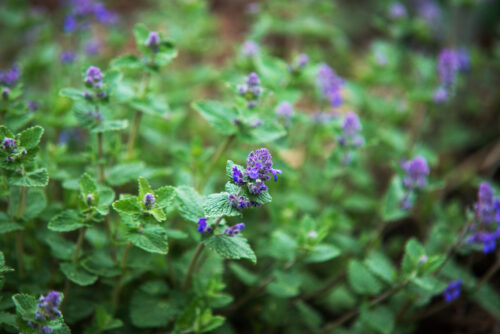
This easy-going plant does exceptionally well in full sun and dry, well-drained ground. From April to August, Catmint produces whorls of white, pink, or violet flowers that can reach up to 55 inches tall. The silvery-gray foliage is also a major highlight—if you rub it between your fingers, it releases an aromatic scent that cats find absolutely irresistible. If you shear the plants back after the first flush of flowers, they’ll often reward you with a second round of blooms.
++Yarrow (Achillea)
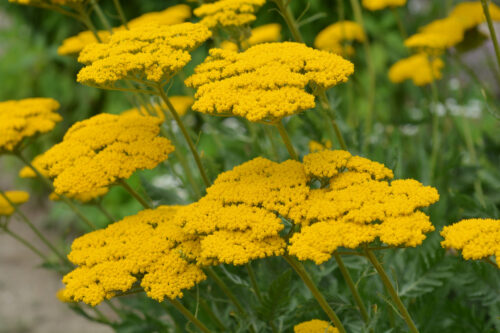
The blooming season for these perennials—cousins to the wild medicinal herbs you see along roadsides—lasts for several weeks. They have a distinct, spicy aroma that acts like a magnet for bees and butterflies. If you cut Yarrow back after flowering, it will happily re-bloom. Plus, the striking flat-topped flower heads last a long time in a vase! These plants prefer loose, sandy, dry soil in a warm, sunny spot.
++Thyme (Thymus)
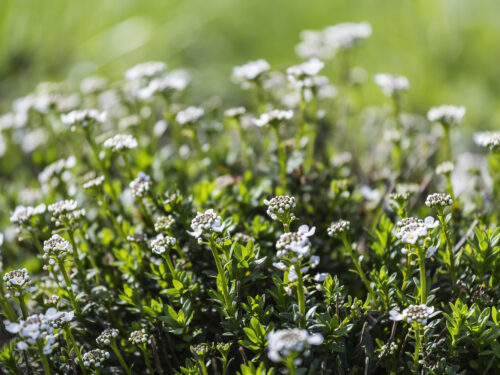
Beyond the classic culinary and medicinal herb, there are several varieties of Thyme grown specifically as carpet-forming groundcovers. What they all have in common is a need for lean, sandy soil and full sun. The colorful foliage is slightly fuzzy on the underside, and from May through autumn, you’ll see tiny white, pink, or red flowers. Since Thyme is rich in nectar, it’s a fantastic choice for supporting local pollinators.
%%Globe Thistle (Echinops)
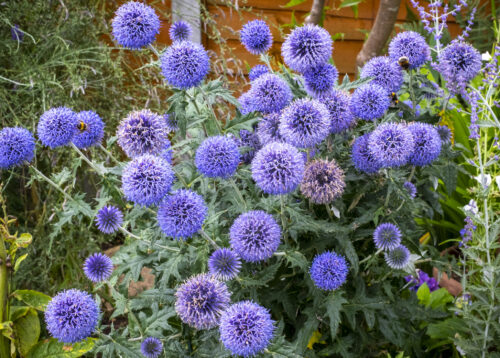
These incredibly cool-looking plants produce tall stems topped with perfectly spherical flower heads made up of many tiny individual blooms. Even after the color fades, the seed heads remain attractive and hold their shape for a long time. The silvery-gray leaves have prickly edges and a fuzzy underside. Globe Thistle loves sunny spots and “poor” soil. Thanks to its unique, architectural shape, it works great as a structural element in a perennial bed, but it also looks stunning when planted on its own or in small groups.