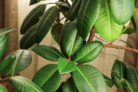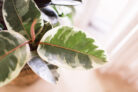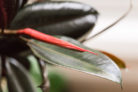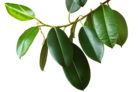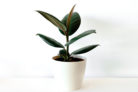
The Rubber Tree (botanical name *Ficus elastica*) is a total classic for a reason—it’s a low-maintenance indoor plant that belongs to the fig family. In the wild, these guys actually grow as “strangler figs,” but don’t worry, as a houseplant, they’re perfectly happy living in a pot with some good soil.
What kind of soil does it need?
Unlike finding the perfect spot in your house, the Rubber Tree isn’t too picky about its substrate. The most important things to remember are that the soil needs to be:
- Loose and airy
- Well-draining
The *Ficus elastica* really hates “wet feet” (standing water), so you’ll want to make sure your pot has a drainage hole and a solid drainage layer at the bottom.
Do I need special soil?
Good news: you don’t need to go out and buy a fancy, expensive specialty mix. This plant does great in almost any standard potting soil you’d find at the garden center. In fact, it’s a pretty hardy plant that actually prefers soil that isn’t *too* rich in nutrients. To keep things light and airy, I recommend mixing your standard indoor or garden potting soil with a bit of:
- Sand
- Fine gravel
- Perlite
- Lava granulate
- Peat substitute
- Wood fibers or
- Coconut coir (coco coir)
Alternatively, you can plant your Rubber Tree in a sandy mix with plenty of coco coir, or a compost-based mix with a little bit of peat. Just make sure the soil isn’t too heavy or packed down, and keep the nutrient levels moderate. Aim for a pH level that is close to neutral.
The Drainage Layer
No matter which soil mix you choose, never skip the drainage layer at the bottom of the pot! This is your best defense against root rot because it allows excess water to flow away from the roots. You can use:
- Broken terracotta pieces (from an old pot)
- Pebbles or gravel
- Expanded clay pebbles
Before you pop your Rubber Tree into the pot, just add a thin layer of soil over your drainage material.
Growing in Hydroponics
If you’re a fan of hydroponics, you’re in luck—the Rubber Tree thrives in it! You can easily grow it in expanded clay pebbles (LECA). Just keep an eye on your water level indicator and make sure it doesn’t go past the “optimum” mark to keep your plant happy and healthy.