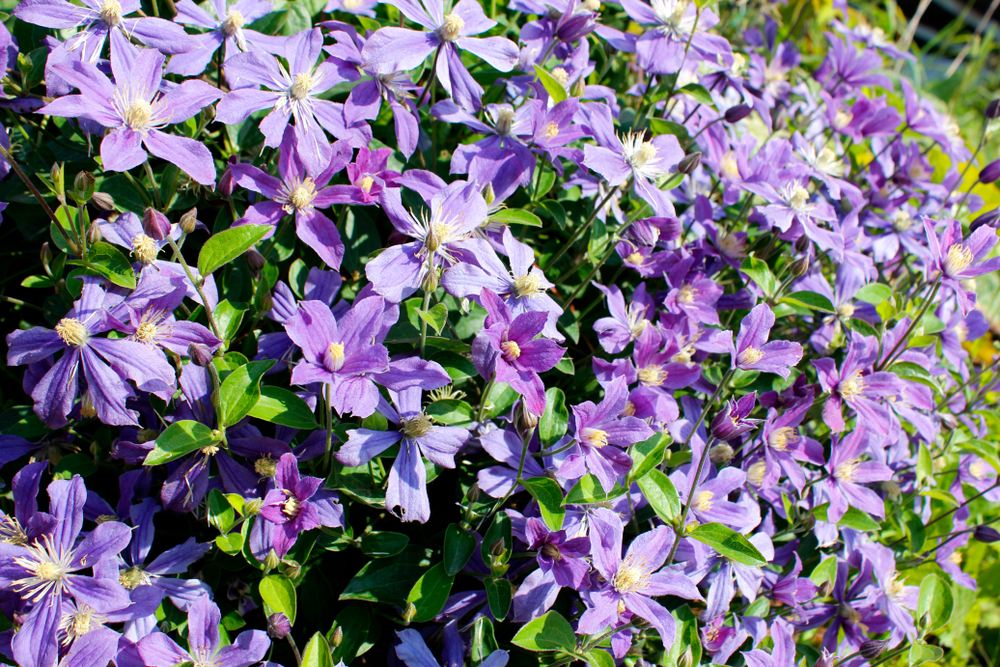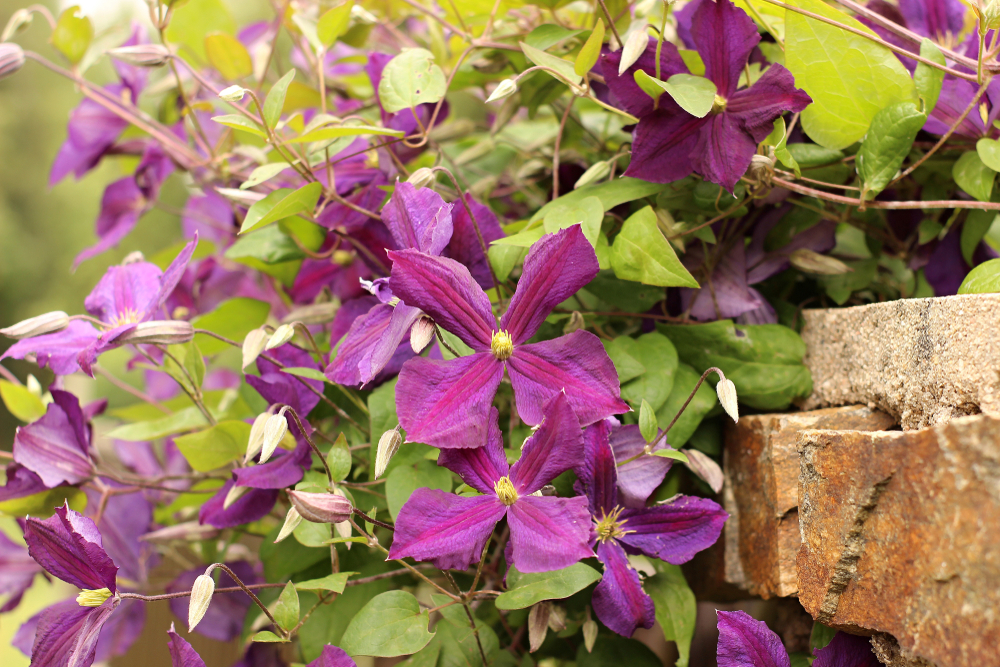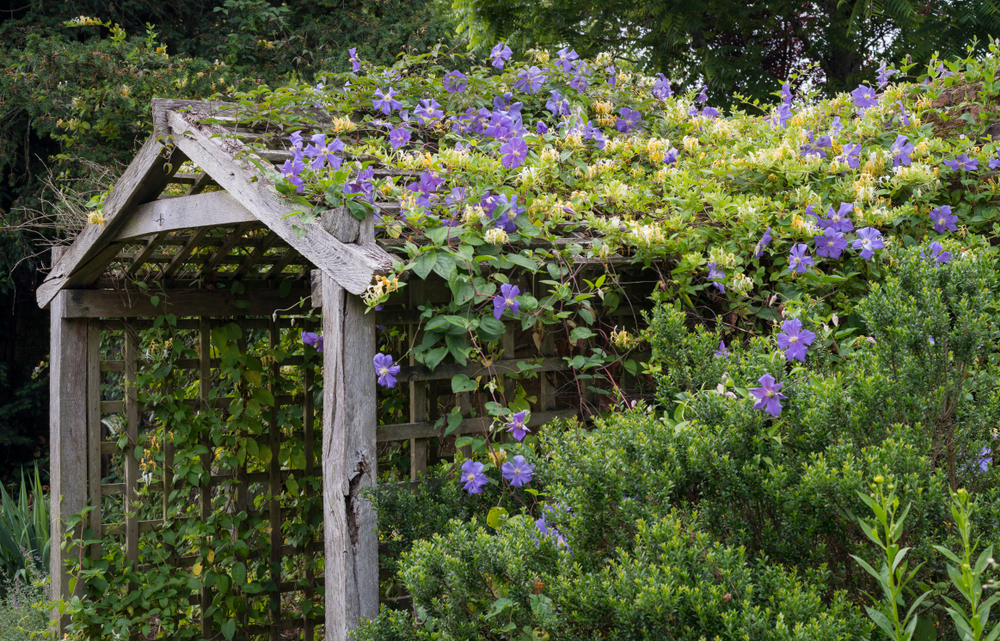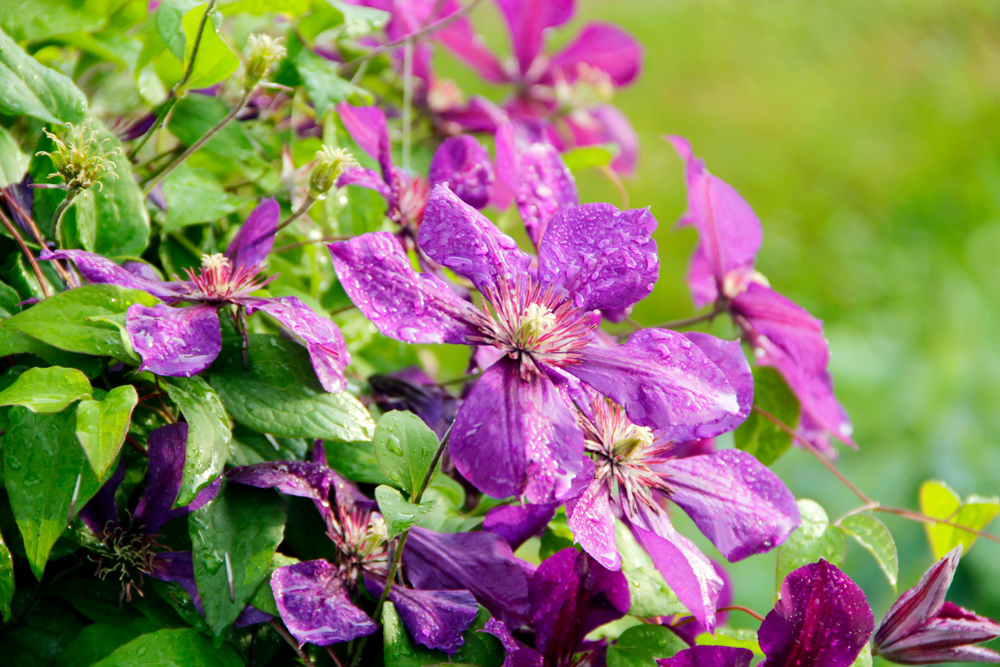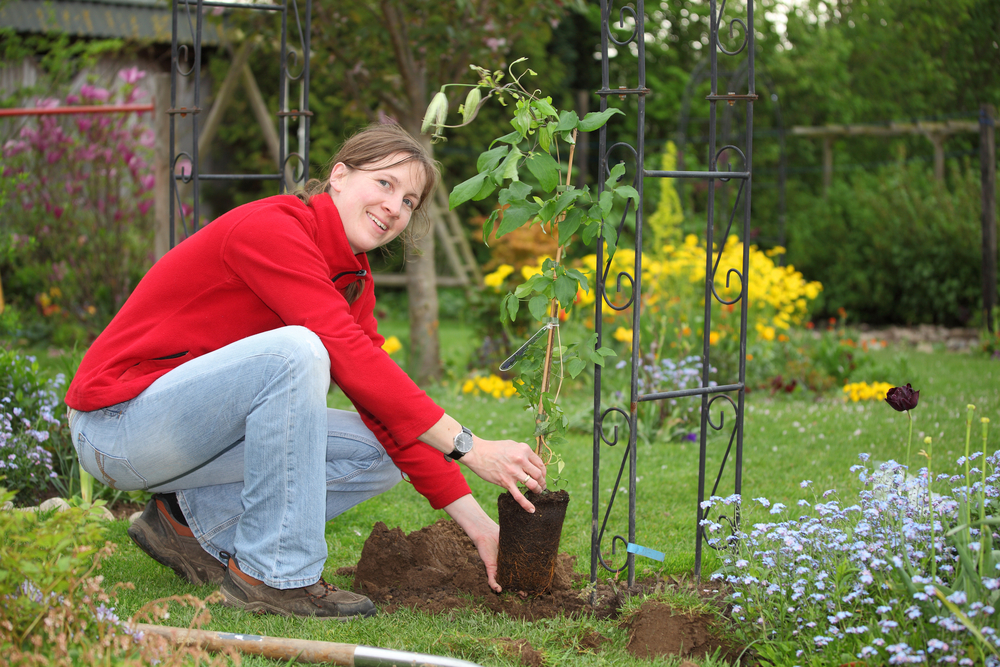
You can find Clematis in all sorts of varieties all over the world. Some of these beauties start showing off their colors early in the spring, while others wait until late fall to bloom. But no matter which variety you pick, they all have one big thing in common: they are hungry plants that need nutrient-rich soil to thrive.
The Perfect Soil
To get the best growth out of your Clematis, you need to pick a spot where the ground is packed with nutrients. These plants are a bit like Goldilocks when it comes to moisture—they don’t want to be bone dry, but they hate having “wet feet.” You’re looking for soil that stays consistently moist but drains well. If your soil is a bit heavy, adding a drainage layer when you plant can make a world of difference. Also, keep an eye on the pH level; Clematis are happiest when the soil is slightly acidic to neutral, ideally between 5.5 and 6.0.
Fixing Soil Issues
If your garden soil is a little lackluster, don’t worry! You’ll just need to be a bit more diligent about fertilizing your Clematis. For those of you dealing with heavy clay soil that gets packed down easily, try mixing in some sand and gravel to loosen things up. On the flip side, if your soil is too sandy and dries out instantly, bulk it up with some leaf mold, compost, or peat to help it hold onto moisture. And if your soil is way too acidic? A little stone meal or garden lime can help bring that pH level back up above 5.0.
Container Gardening
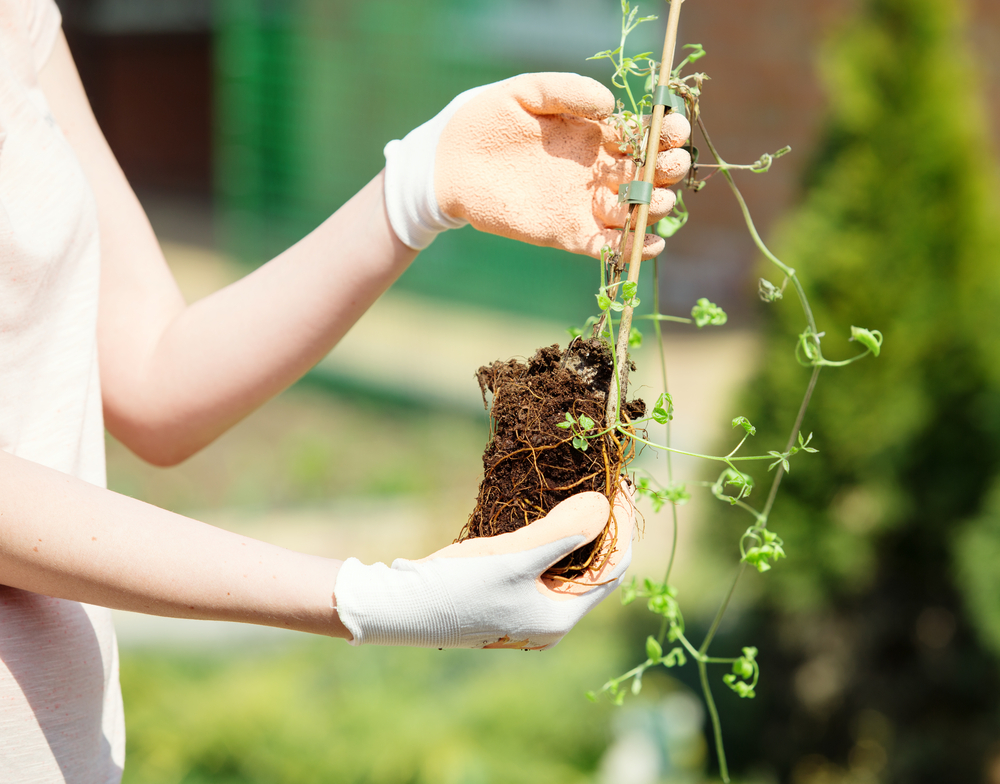
Getting the soil right is even more important if you’re growing Clematis in pots. Since the roots only have a limited amount of space to find food, using a high-quality potting mix is a must—don’t skimp here! Mix in a little sand to ensure good drainage and make sure to fertilize regularly to keep your vine climbing strong.
When it comes to keeping your Clematis happy, just remember these four essentials:
- Plenty of nutrients
- Excellent drainage
- Consistent moisture (no soggy roots!)
- A pH level between 5.5 and 6.0