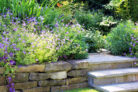
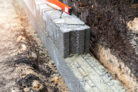
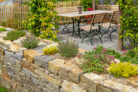
Concrete retaining wall blocks (often called “planter rings”) are super practical for holding back soil, but let’s be honest—they can look a bit industrial if they aren’t dressed up. The right greenery can transform those cold stones into a lush, living wall. I’ve rounded up seven of the most popular plants for these blocks, plus a little “insider tip” at the end!
[[pflanzen]]
++Rock Cress (Aubrieta Hybrids)
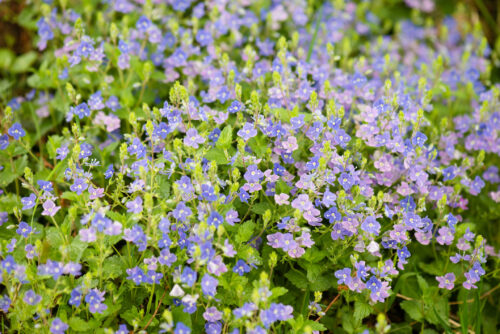
If you want that classic “English cottage” look, Rock Cress is your best friend. These perennials only grow about 6 inches tall, but they are vigorous growers. Once they get settled, they’ll spill over the edges of your planter blocks like a floral waterfall. In the spring, you’ll get a literal sea of white, pink, red, or purple blooms. Plus, they stay green and velvety even in the winter, so your wall won’t look bare when it gets cold.
++Two-Row Stonecrop (Sedum spurium)
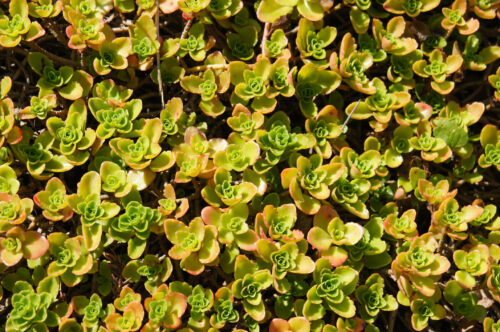
Planter blocks can get pretty dry, but this hardy succulent doesn’t mind one bit. It stays low to the ground (about 6 inches) and uses creeping stems to weave a dense carpet of shiny, fleshy leaves over the stone. Between June and August, it produces tons of star-shaped flowers in white, pink, or red. Bonus: they are packed with nectar, so expect plenty of visits from bees and butterflies!
++Catmint (Nepeta x faassenii)
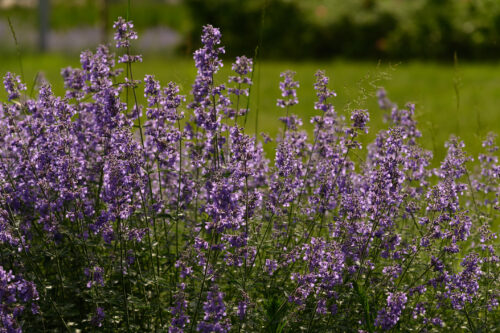
For a plant that works overtime, look no further than Catmint. It blooms almost all summer long—from May through August—in shades of white, pink, or lavender-blue. Not only do the bees love the spiked flowers, but the gray-green foliage smells amazing when you brush past it. It’s incredibly frost-hardy and loves a sunny spot. You really only need to water it during major dry spells, as it’s quite drought-tolerant.
++Woolly Yarrow (Achillea tomentosa)
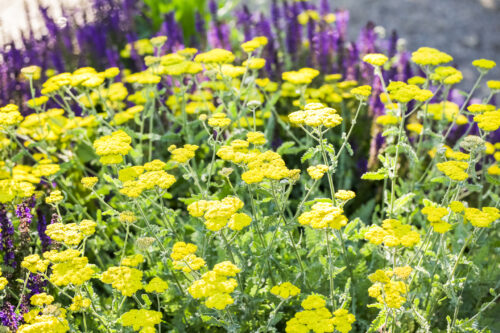
The bright yellow flower clusters of this perennial look like little bursts of sunshine. The foliage is “woolly” and silver-gray, which actually helps protect the plant from drying out. It’s a tough-as-nails plant that prefers sandy or slightly loamy soil. One quick tip: Yarrow can be a bit short-lived, so to keep it looking fresh, dig it up every three years, divide the clumps, and replant them.
++Oregano (Origanum vulgare)
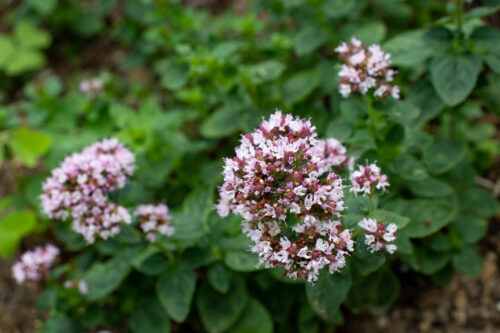
Who says your retaining wall can’t be a spice rack? From July to September, Oregano produces beautiful pink or purple flowers that insects go crazy for. It grows into a sturdy little bush about 20 inches tall and is very winter-hardy. Rub the fuzzy leaves between your fingers to release that classic Mediterranean scent—then harvest some for your next pizza or pasta night!
++Lavender
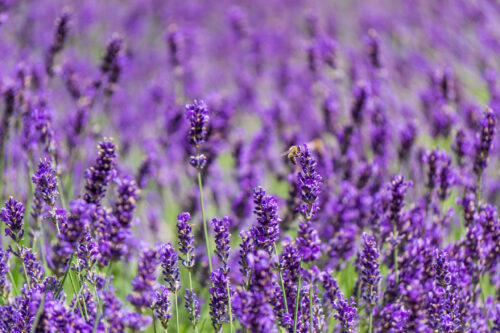
Lavender loves the excellent drainage that planter blocks provide. It actually prefers being a bit on the dry side! The stems will lean out over the edges, creating a fragrant “curtain” of purple-blue flowers. To keep it from getting too woody and leggy, give your Lavender a good prune in early spring and another light trim after it finishes blooming.
++Creeping Thyme (Thymus praecox)
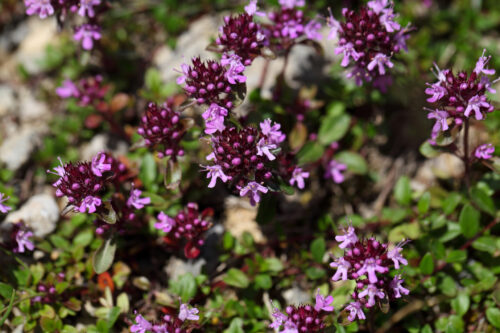
If you want to completely hide the concrete, Creeping Thyme is the way to go. It only grows about 2 inches high but forms a thick, gorgeous mat. It doesn’t need much soil to thrive, so it will eventually crawl right over the stone. Starting in May, you’ll see tiny white, pink, or crimson flowers that are a magnet for pollinators. Since it’s evergreen and frost-hardy, your wall will look great all year round.
%%Silver Thistle (Carlina acaulis)
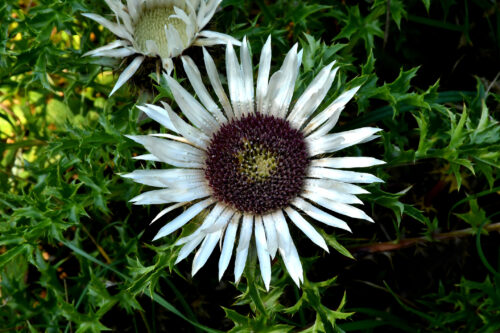
Here’s my secret tip: the Silver Thistle. Since Silver Thistles are a protected species in the wild, you should never pick them from nature, but you can find them at most good garden centers. They grow in a striking rosette of spiny, jagged leaves with a large, silvery-white flower in the center. These unique blooms are specifically designed for long-tongued insects like butterflies and bees. It’s a real conversation starter for your garden!