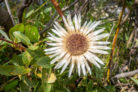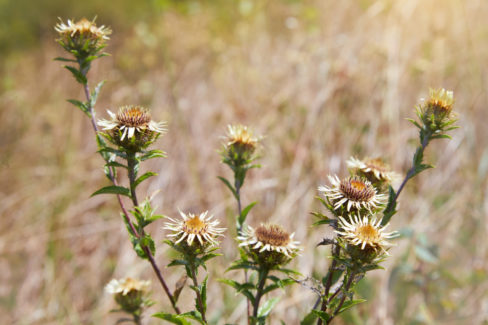
When a plant starts disappearing from the wild, it usually gets put under legal protection to give it a fighting chance. That means no picking, no digging, and definitely no taking them home. One of the most famous plants on that “look but don’t touch” list is the stunning Silver Thistle (also known as the Carline Thistle).
Fun Facts About the Silver Thistle
Back in 1997, the Silver Thistle was actually named “Flower of the Year.” It wasn’t just because it’s a looker; experts wanted to sound the alarm about how quickly it was vanishing from its natural habitat. This beauty belongs to the aster family, and over the years, it’s picked up some pretty colorful nicknames:
- Boar Root: Legend has it that wild boars would eat the root as an antidote if they accidentally munched on poisonous henbane.
- Weather Thistle: This is nature’s barometer! The flower heads close up when rain is coming and pop open wide when the sun is out.
- Silver Sun: A nod to its brilliant, metallic-looking petals.
- Charlemagne’s Flower: Folklore says an angel showed Charlemagne the thistle as a cure for the plague.
- Stemless Thistle: Because it sits so low to the ground, it often looks like it’s hugging the earth.
The Silver Thistle is a hardy perennial with a serious taproot that can reach over three feet deep! In the spring, it starts by growing long, spiky leaves that form a flat rosette. Between July and September, it produces those iconic silvery blooms that hikers love to pick and dry for home decor—though, remember, you should only do this with garden-grown varieties, never wild ones!
In the old days, herbalists were obsessed with the roots. They’d dry them out to treat everything from skin rashes to tapeworms (and even the plague, supposedly). Nowadays, we leave the roots alone. Not only is the plant strictly protected in many areas, but the taproot is actually slightly toxic. Better safe than sorry!
The Perfect Spot: Location and Soil
If you’re looking to grow these in your own yard, you need to mimic their favorite wild spots. Silver Thistles are sun-worshippers. They crave heat and thrive in well-drained, lime-rich (alkaline) soil.
In the wild, you’ll usually spot them in mountain ranges at altitudes up to 9,000 feet, hanging out in dry pastures or along sunny forest edges. While they aren’t super common in backyard gardens yet, they are a fantastic choice for sunny rock gardens or gravel beds. Just give them plenty of light and lean soil, and they’ll feel right at home!