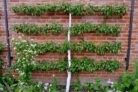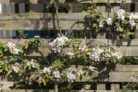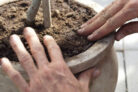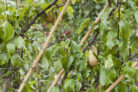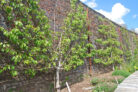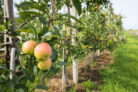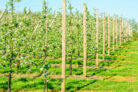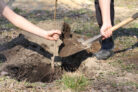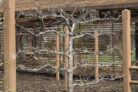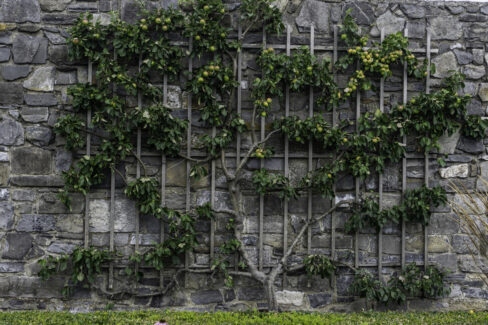
When we think of fruit trees, we usually picture massive, round canopies that take up half the backyard. But here’s a pro tip: they don’t have to! You can actually take a standard fruit tree—ideally one grafted onto dwarf or semi-dwarf rootstock—and train it as an espalier. Let’s dive into why your house wall might just be the perfect spot for your next mini-orchard.
The Perks of Growing Espalier Fruit Against a Wall
Planting espalier fruit against a wall is a total game-changer, especially for sun-loving varieties like pears, apricots, peaches, and figs. If you live in a cooler climate, this setup gives these trees the boost they need to thrive. The wall acts like a giant radiator; it soaks up the sun’s heat during the day and slowly releases it when temperatures drop, which also helps protect delicate blossoms from late spring frosts. Plus, pollinators like bees are much more active when it’s nice and toasty, which means better fertilization and more fruit for you! A south-facing wall is the gold standard for this.
Getting Your Espalier Started
An espalier isn’t just a tree; it’s a living piece of art. To get that signature look, you’ll need to train your tree against a support system. If you’re using a house wall or a garden wall, you’ll want to set up a series of horizontal wires where you can easily tie down the branches.
Setting Up Your Wall Supports
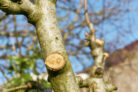
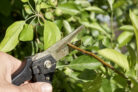
Start by mounting screws or brackets into the wall. Make sure to leave a little gap between the wall and the wires to allow for good air circulation—this keeps your tree healthy and disease-free. Once your wires are tight, you can begin training the branches. Because the canopy only grows in two directions (left and right), the tree takes up no more room than a slim hedge. Just keep in mind that to maintain this compact shape, you’ll need to be pretty diligent about pruning back new growth with a sharp pair of shears.
Shaping Your Fruit Tree
When it comes to securing the branches, I recommend using rubber ties or flexible garden tape. These materials stretch as the tree grows, so they won’t choke the limbs. Wrap them a few times around the branch and the wire, but keep it snug, not tight. Aim for a nice horizontal alignment along the trellis, and snip off any “rebel” branches that try to grow outward. It’s best to train young, green shoots into the frame while they’re still flexible; older wood gets brittle and is much harder to bend. While the U-shape is a classic look, you can also train your espalier into low-profile borders or intricate fan shapes!