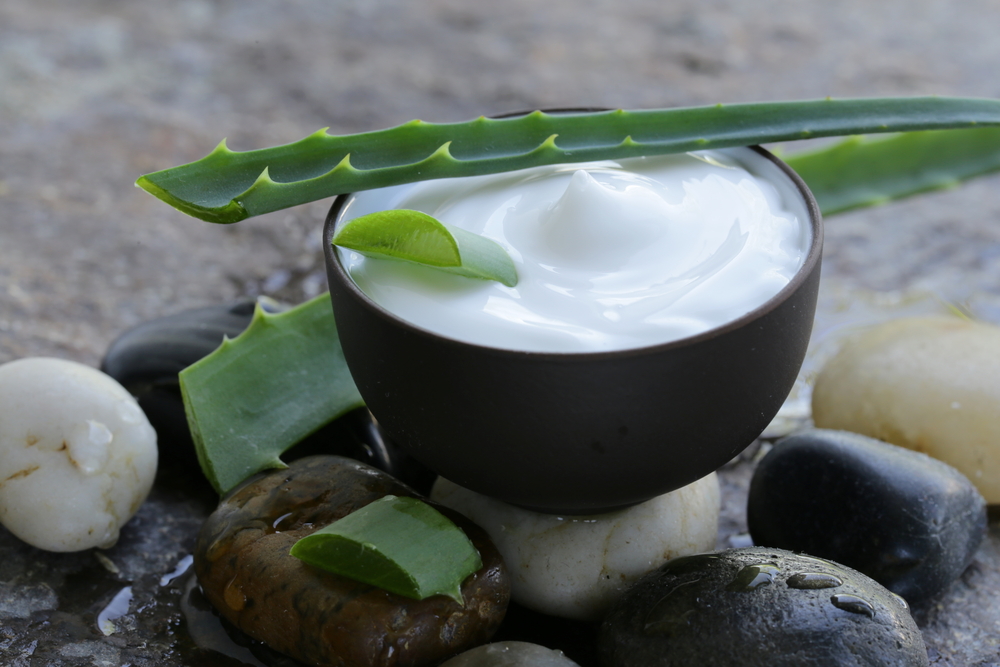
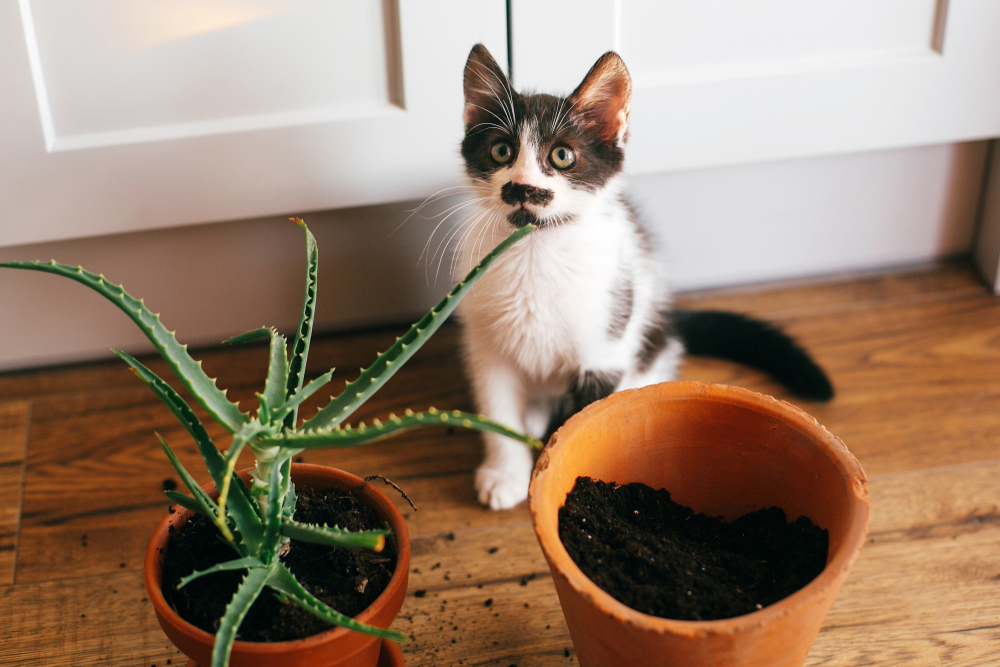
Aloe Vera is part of the Xanthorrhoeaceae family, and with over 500 different species out there, things can get a little confusing! Identifying a specific Aloe plant isn’t always a walk in the park. To make matters a bit more complicated, there are several “look-alike” plants that look almost identical to Aloe but pack toxic ingredients instead of healing properties.
What Does Aloe Vera Look Like?
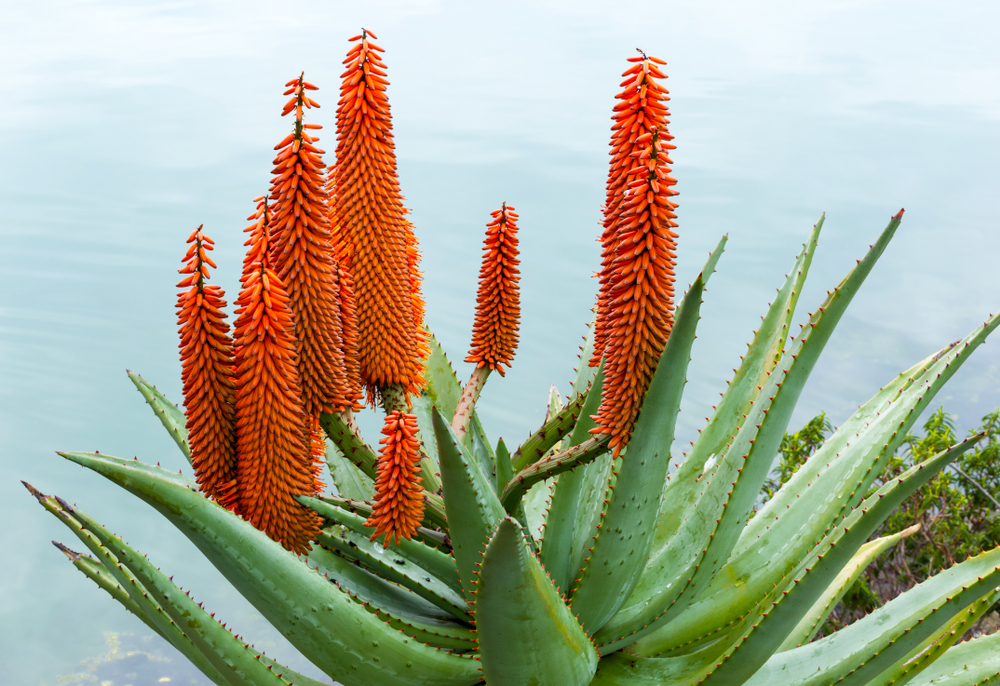
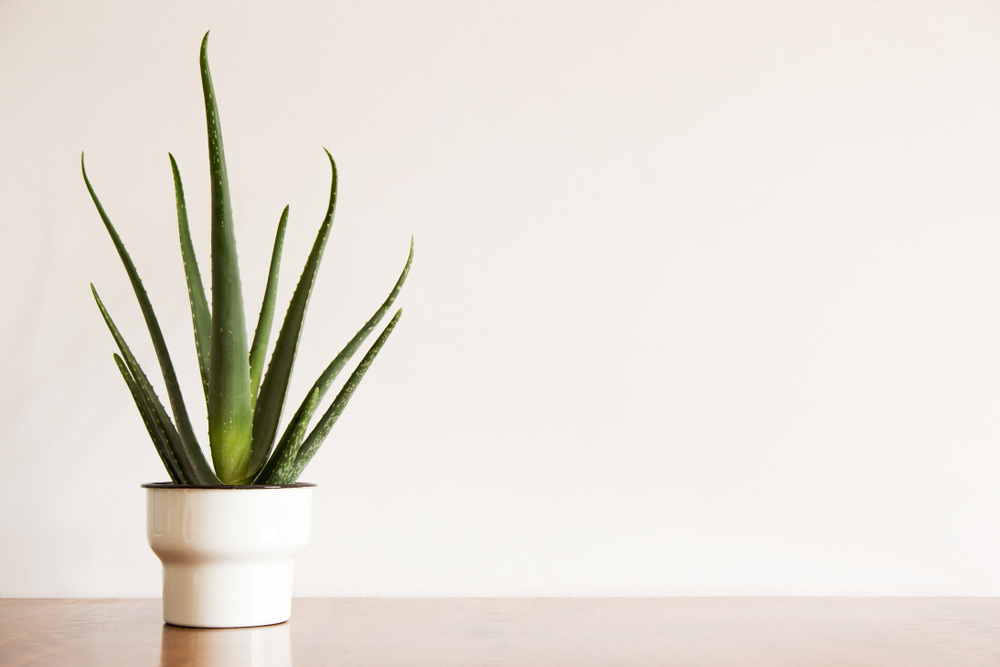
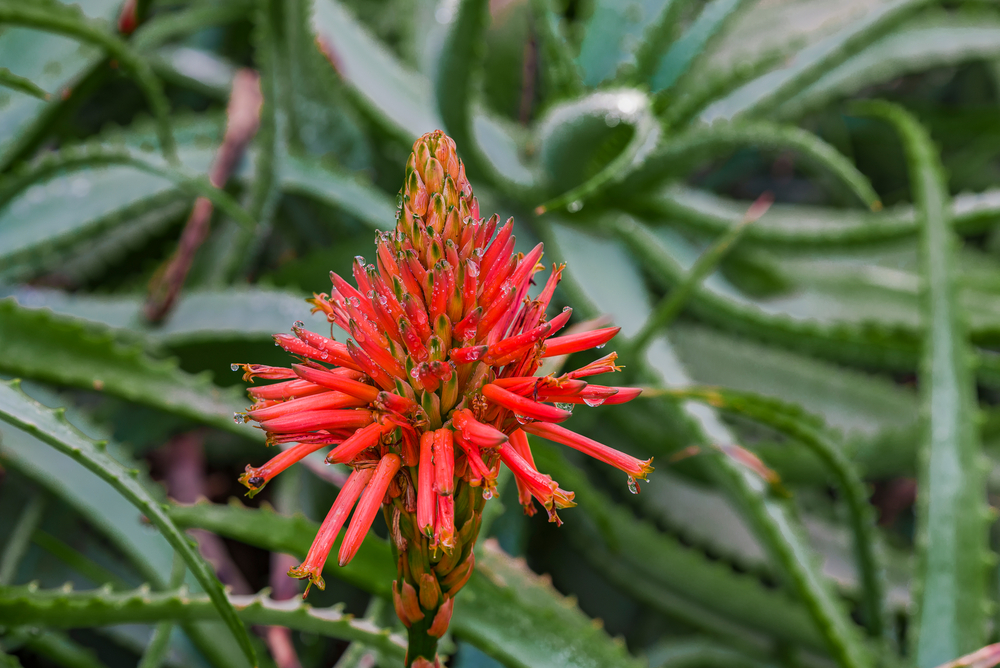
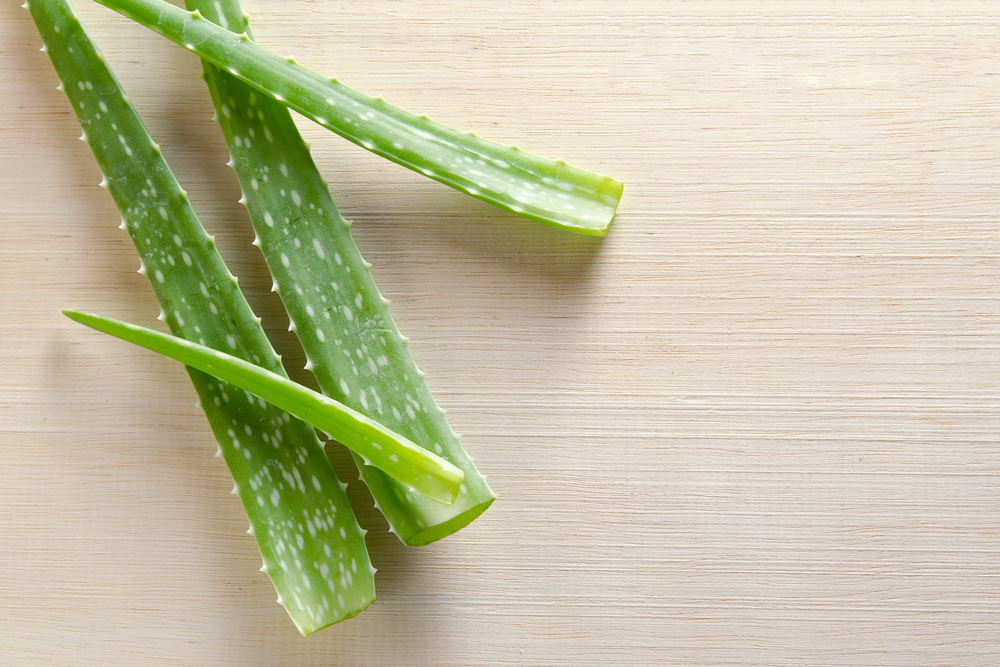
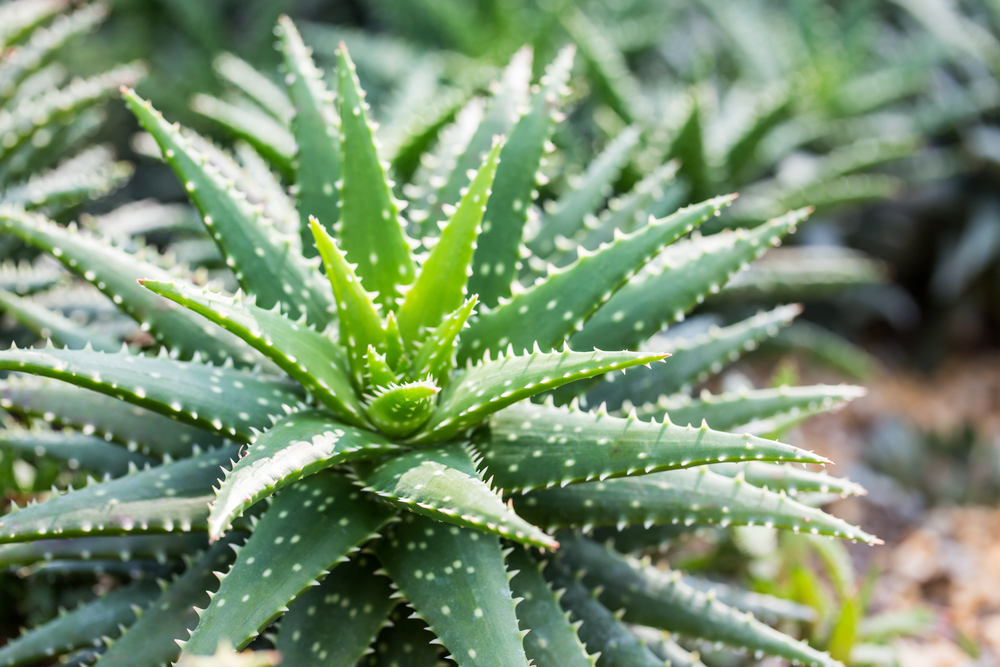
This medium-sized succulent features thick, fleshy, lance-shaped leaves in a beautiful blue-green hue, complete with sharp spines along the edges. They grow in a classic rosette shape, with new leaves constantly sprouting from the center while the older, outer leaves eventually die off. In the spring, Aloe puts on a show with yellow, red, or orange flowers that bloom on tall stalks rising high above the foliage.
A World of Aloe Varieties
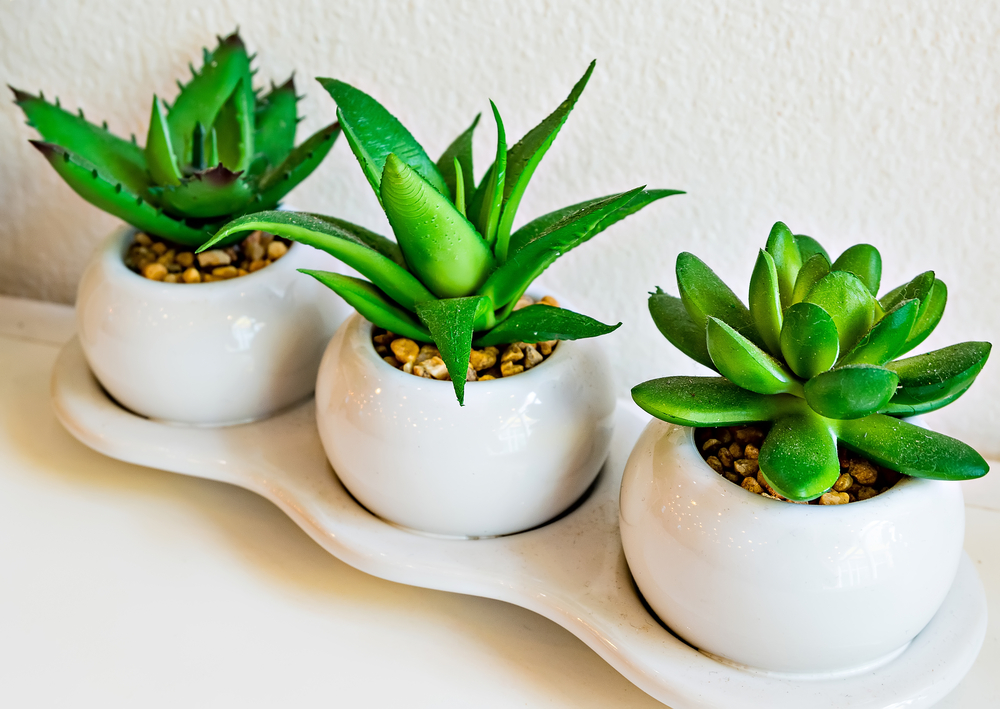
Because there are so many species in this genus, pinning down exactly which one you have can be tricky. Here are a few common Aloe species you’ll likely find grown as houseplants:
- Aloe arborescens (Krantz Aloe or Candelabra Aloe)
- Aloe ferox (Cape Aloe or Bitter Aloe)
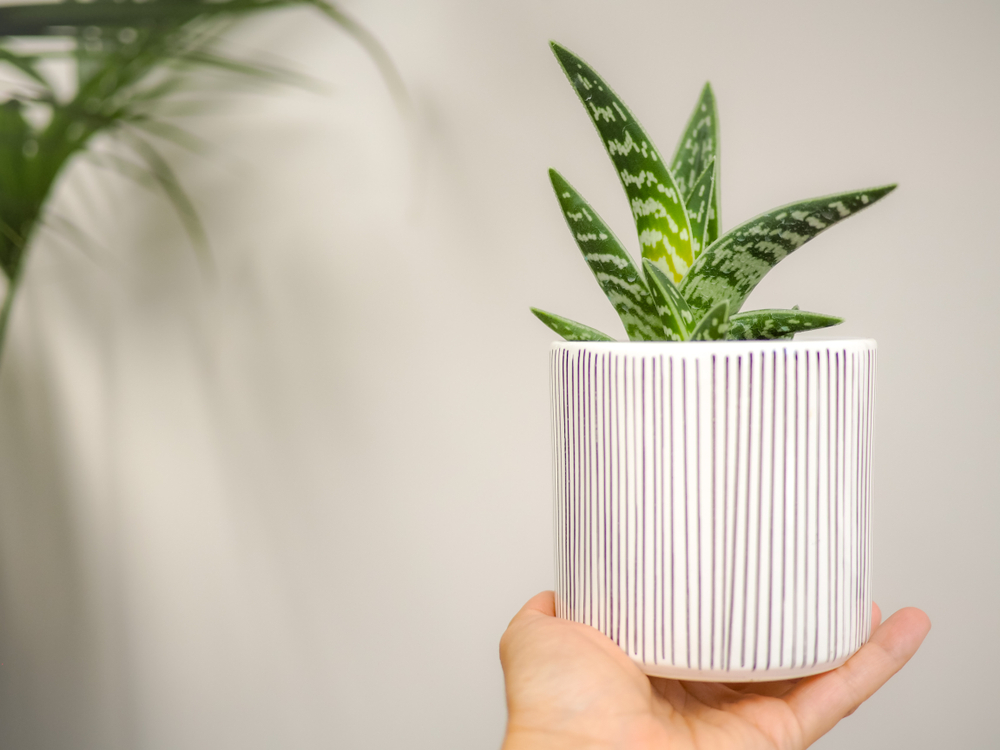
- Aloe variegata (Tiger Aloe)
- Aloe plicatilis (Fan Aloe, known for its unique fan-like leaf arrangement)
- Aloe erinacea (Hedgehog Aloe—very prickly!)
- Aloe aristata (Lace Aloe, featuring soft white teeth on the leaf edges; it’s actually hardy down to about 20°F)
Watch Out for Look-Alikes
The most common mix-up happens between Aloe Vera and the Agave plant. Agaves have a short stem and thick, lance-shaped leaves that can grow up to 6 feet long and 10 inches wide. Like Aloe, their edges are often lined with thorns. However, there’s a big catch: unlike the soothing Aloe, Agave sap is toxic and can cause nasty skin irritation.
Aloe vs. Agave: How to Tell the Difference
If you put the two side-by-side, you’ll start to notice the differences pretty quickly:
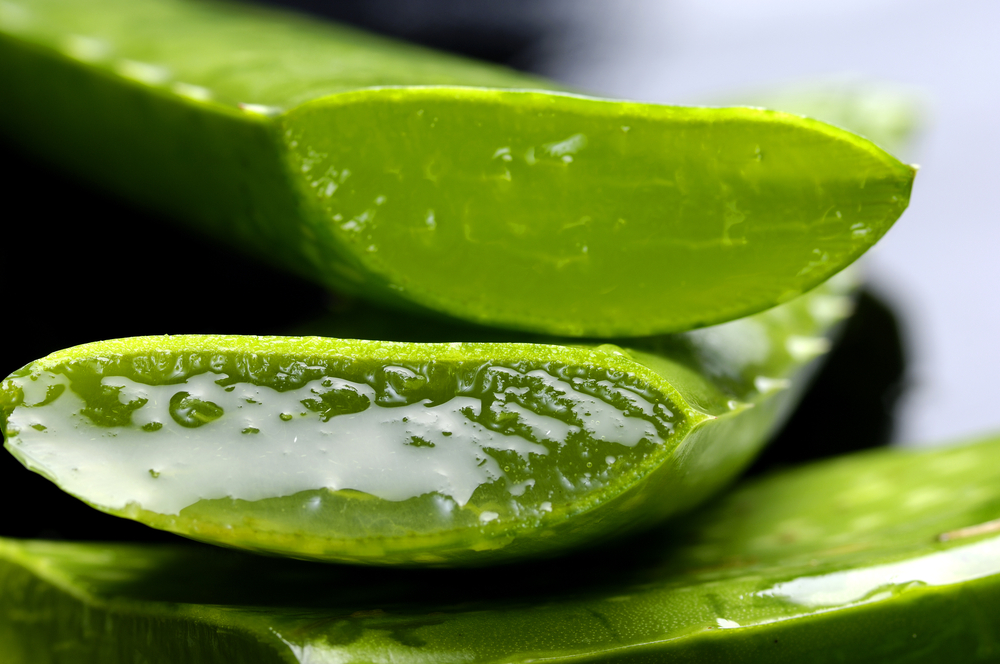
- Inside the leaf: Aloe leaves are filled with a thick, gooey gel. Agave leaves are much more fibrous.
- Growth pattern: You can clearly see new Aloe leaves emerging from the very center of the plant. In contrast, new Agave leaves grow on the outer area underneath the older ones.
- Blooming: Once an Aloe plant is about three years old, it can bloom twice a year with flowers growing from the sides. Agaves take years (sometimes decades!) to bloom just once.
- Temperature: Aloe is a total “warm weather” plant and is usually kept as a houseplant because it hates the cold. Some Agave species are tough cookies and can survive temperatures as low as -4°F.
- Uses: Aloe leaf juice is famous for skin care and can even be used internally. Agave juice is used to make sweeteners (like agave nectar) and the Mexican drink Pulque, while its fibers are used for Sisal rope. Just remember: the raw sap inside Agave leaves contains toxins and should never get on your skin or in an open wound!