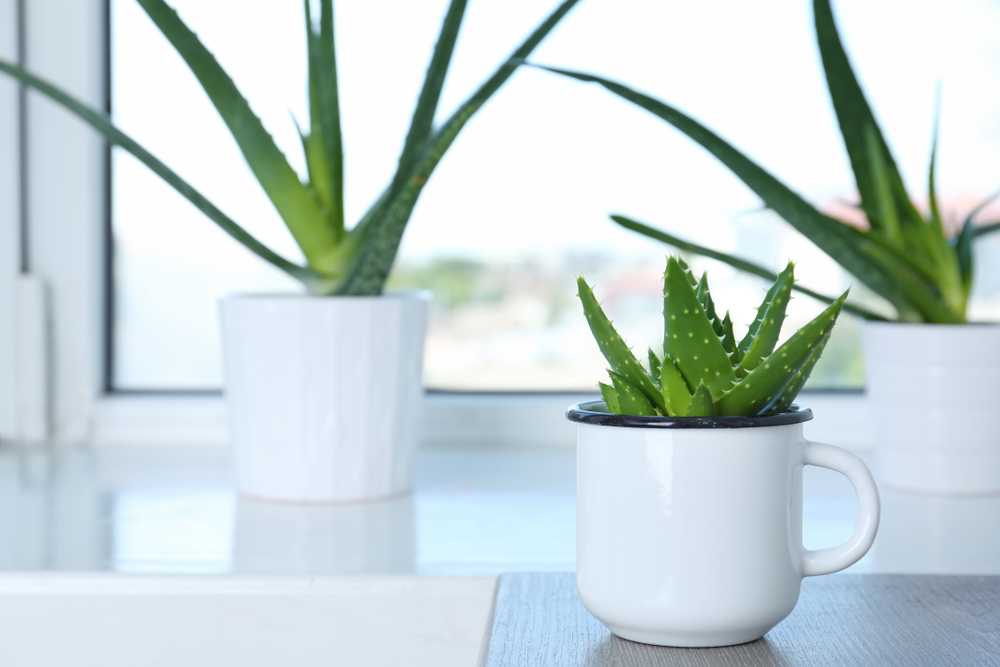
The real Aloe Vera is such a low-maintenance indoor plant, and it’s a total fan favorite for two reasons: it looks great on a windowsill, and those thick leaves are packed with a skin-soothing gel. But here’s the catch—only the “true” Aloe Vera actually has those famous healing properties. Since there are so many lookalikes out there, you’ll want to know exactly what to look for before you start harvesting.
How to Spot a True Aloe Vera
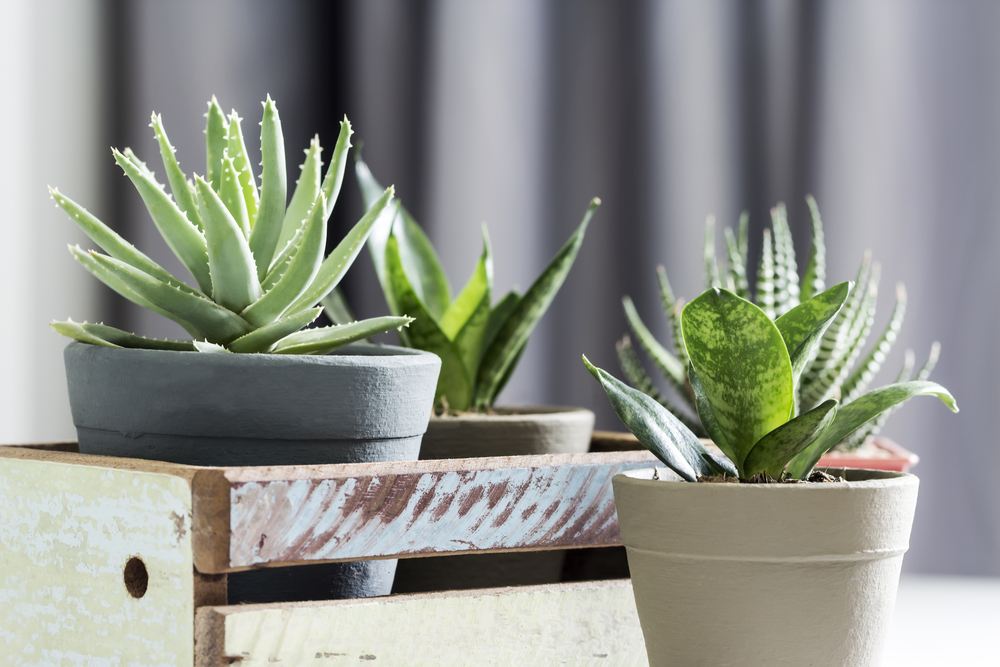
With over 500 different species of Aloe, picking out the right one can be a bit of a challenge. Only the true Aloe, officially known as *Aloe barbadensis*, develops that medicinal gel in its leaves once it hits about four years old.
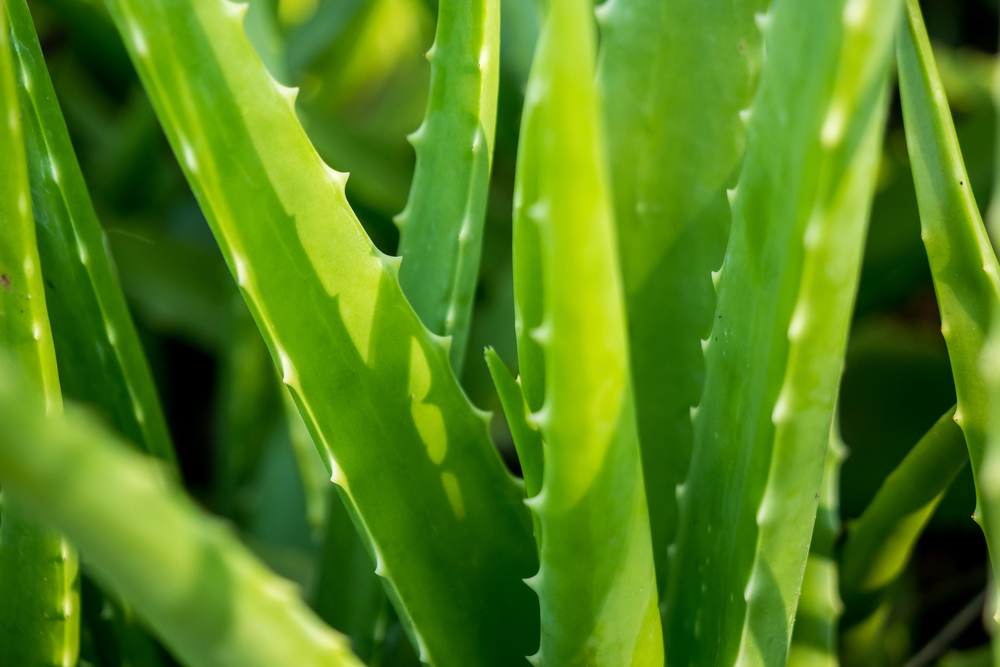
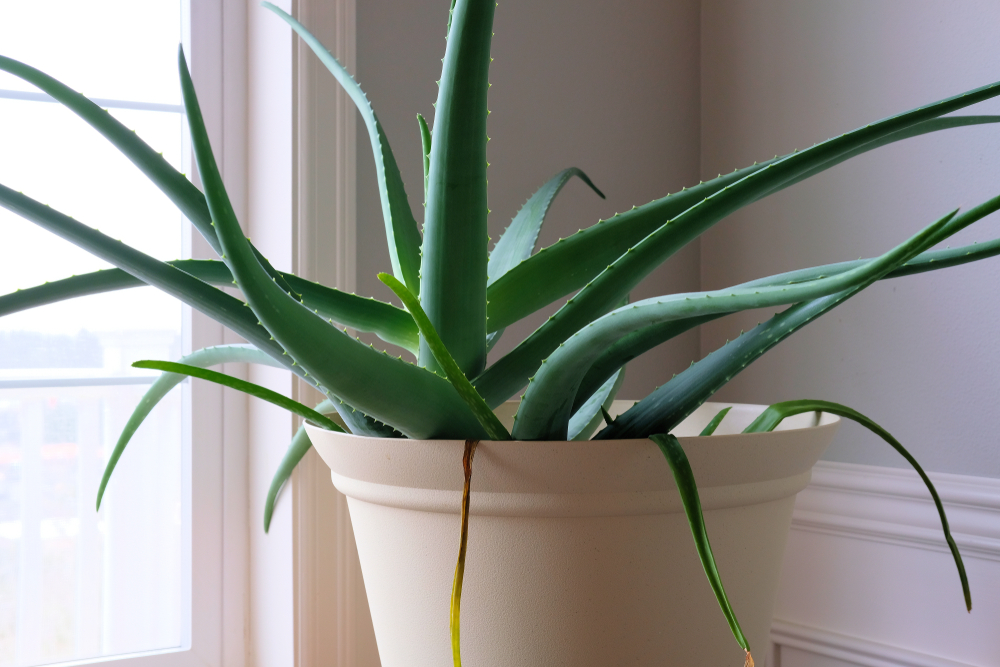
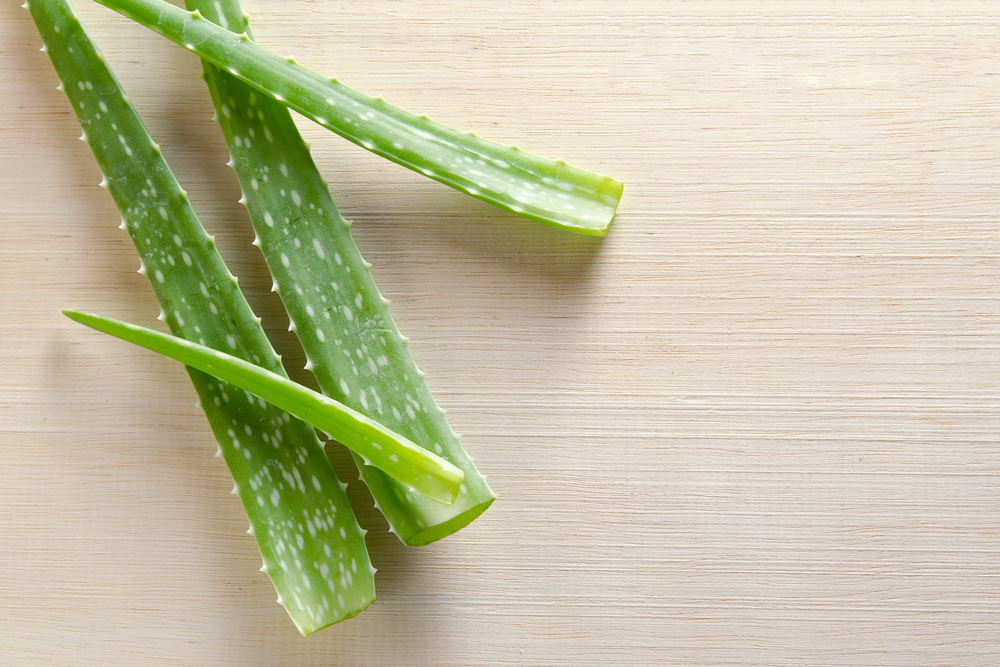
To identify a true Aloe Vera, start by looking at the stem. If the stem is super short or the plant looks like it doesn’t have a stem at all, you’re on the right track. As a succulent, its water-storing leaves can grow up to 15 inches long and about 3 inches wide. The leaves are thick and fleshy with a grayish-green hue and a subtle, silky sheen. They grow in a rosette pattern, with new leaves constantly sprouting from the center while the older ones on the outside eventually dry up. You’ll also notice firm, tiny “teeth” (about 2 mm long) lining the edges of the leaves.
In the springtime, a mature Aloe Vera sends up a thin flower spike that can reach up to 2 feet tall. It produces a cluster of red, yellow, or orange tube-shaped flowers with delicate stamens peeking out. One cool thing to look for: you’ll often see spent flowers, fresh blooms, and new buds all hanging out on the same stalk at once.
The Healing Power of Aloe Vera
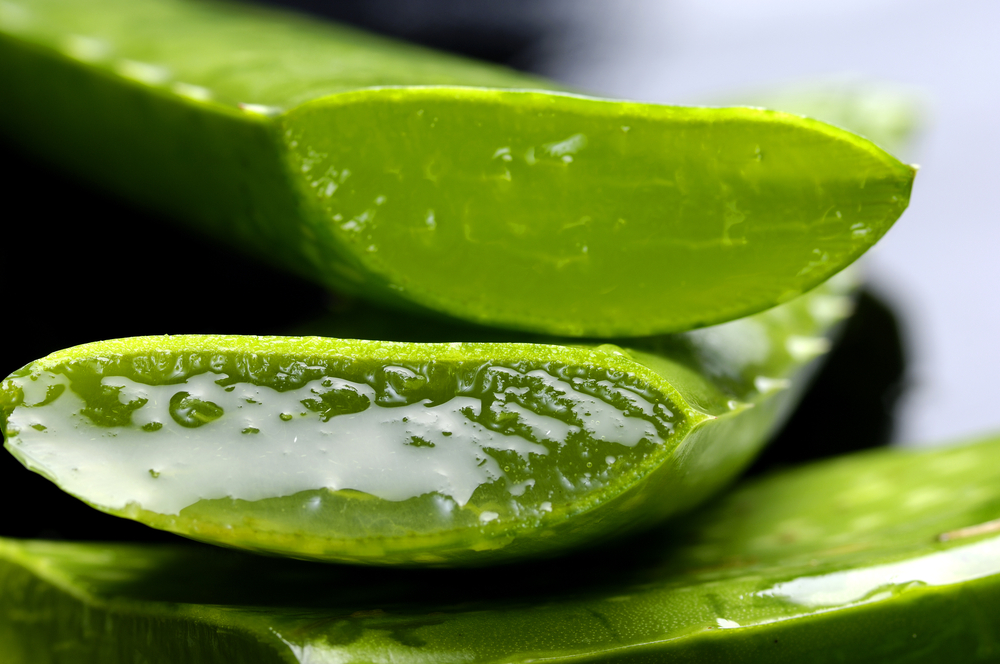
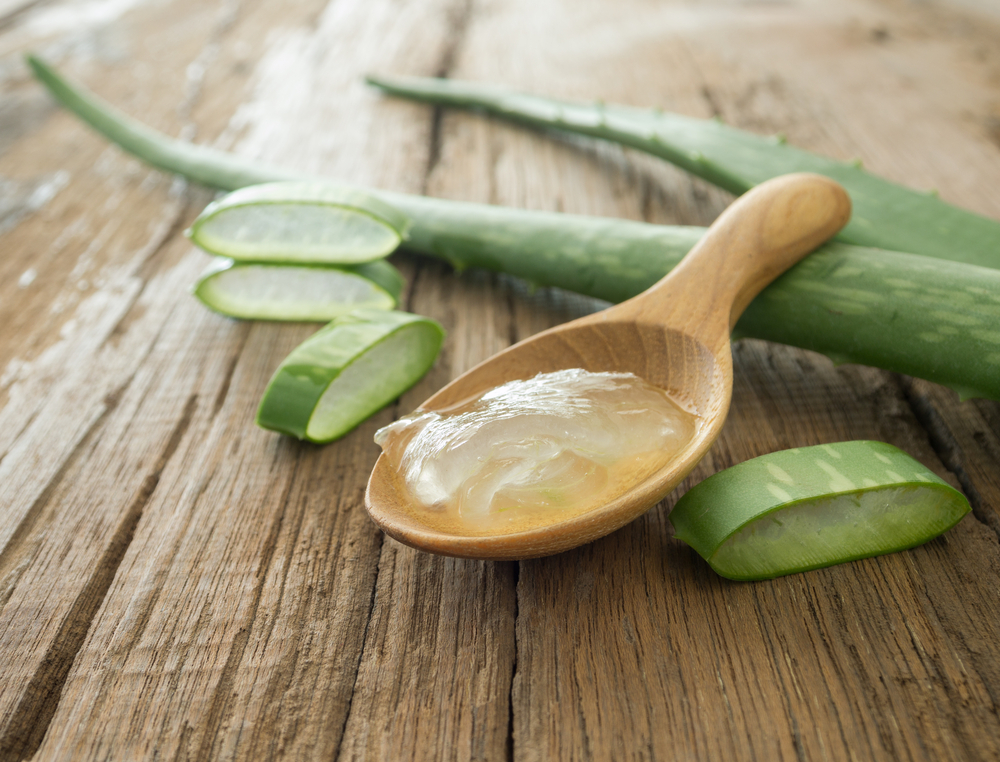
The leaves of a mature plant contain a bitter-tasting gel that is a staple in natural medicine and the beauty industry. You can easily use it at home for all sorts of things, including:
- Soothing burns and sunburns (it’s incredibly cooling and hydrating)
- Helping minor cuts and scrapes heal faster (it reduces irritation)
- Managing skin issues like acne, psoriasis, or eczema
- Treating bruises
- Calming cold sores (herpes)
- Digestive help for constipation (but be careful—too much can definitely cause a “run” to the bathroom!)