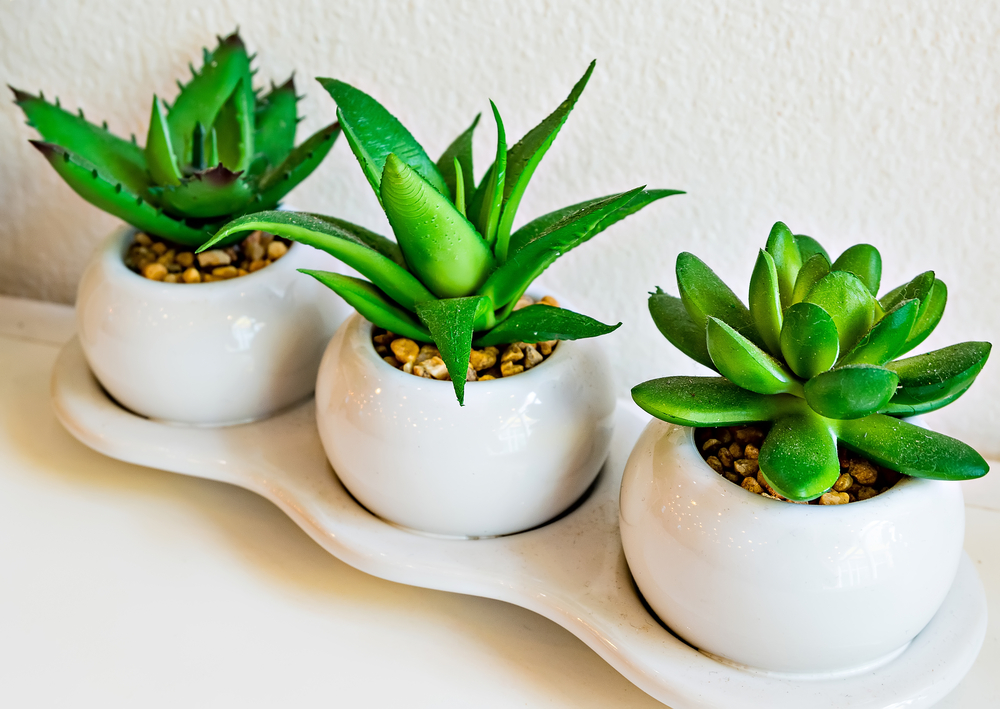
Aloe Vera is a total classic in the houseplant world, and for good reason! Not only is it famous for its incredible healing properties, but it’s also surprisingly low-maintenance if you give it the right spot. With its thick, fleshy leaves and those stunning tubular flowers that pop up in the spring, it’s a real showstopper on any windowsill. The best part? It’s super easy to care for, making it a perfect “starter plant” for anyone just beginning their indoor gardening journey.
Fun Facts About Aloe Vera
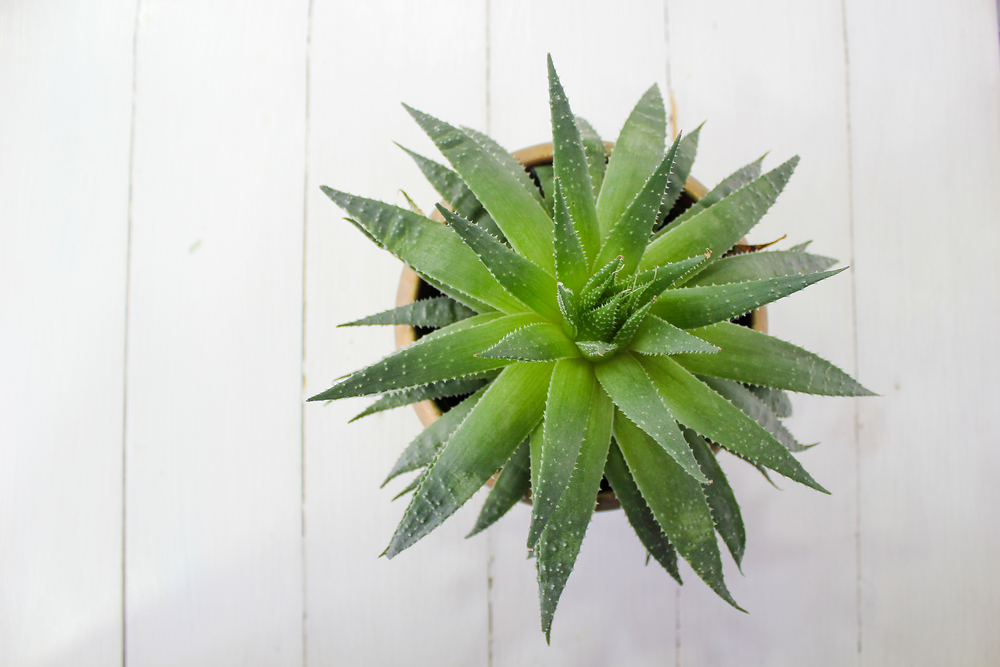
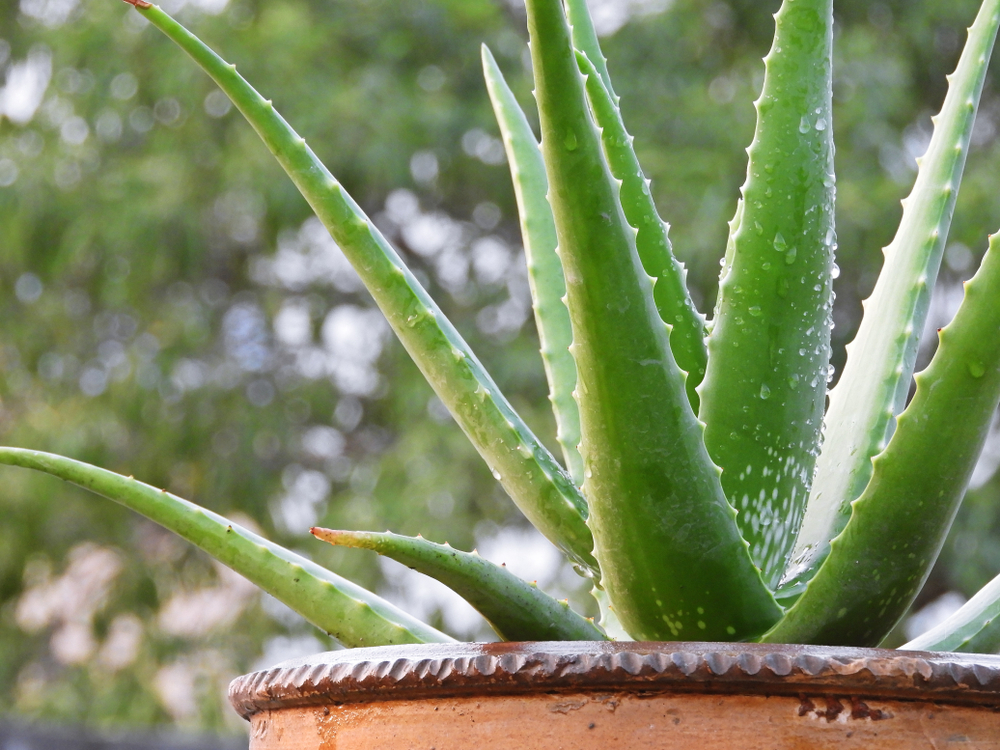
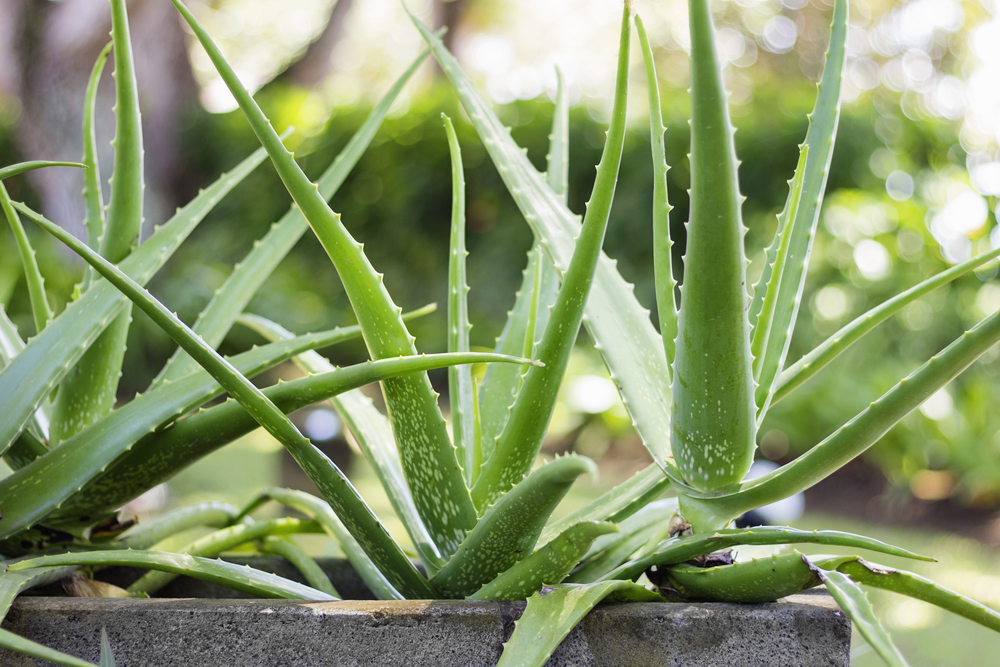
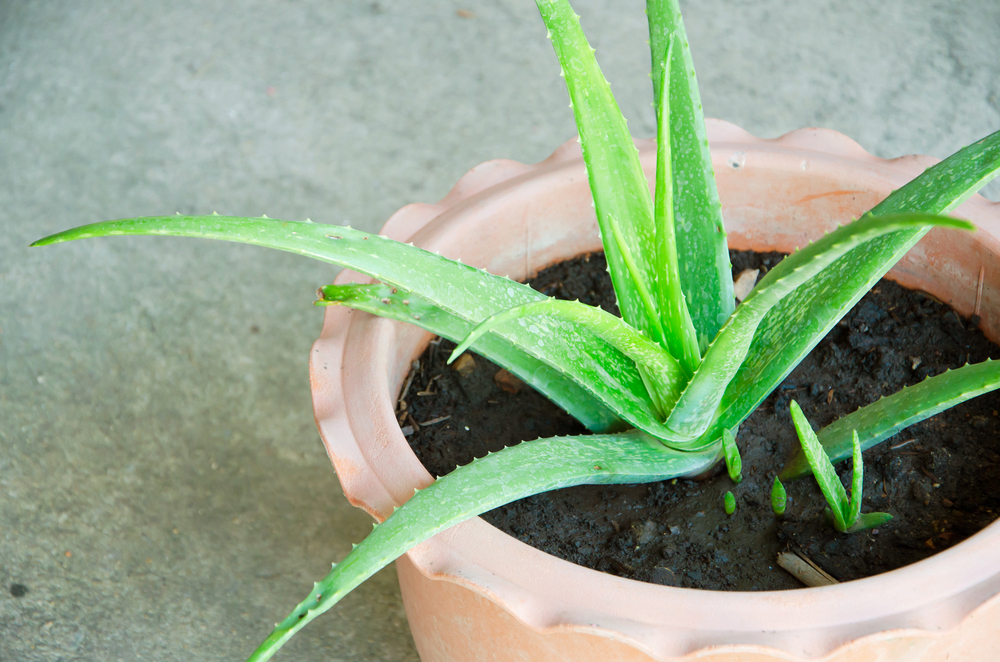
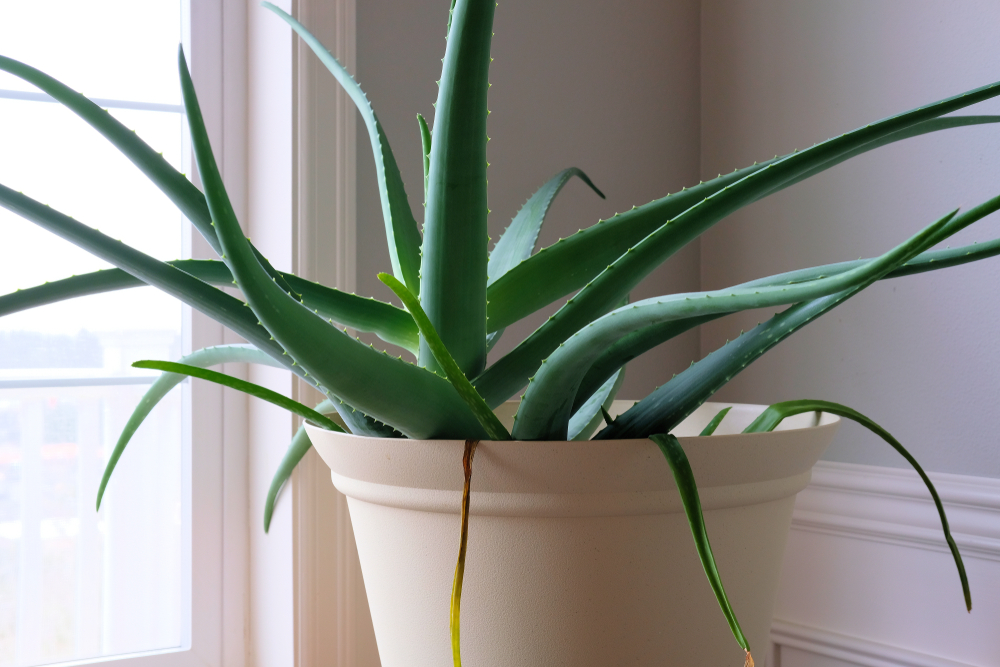
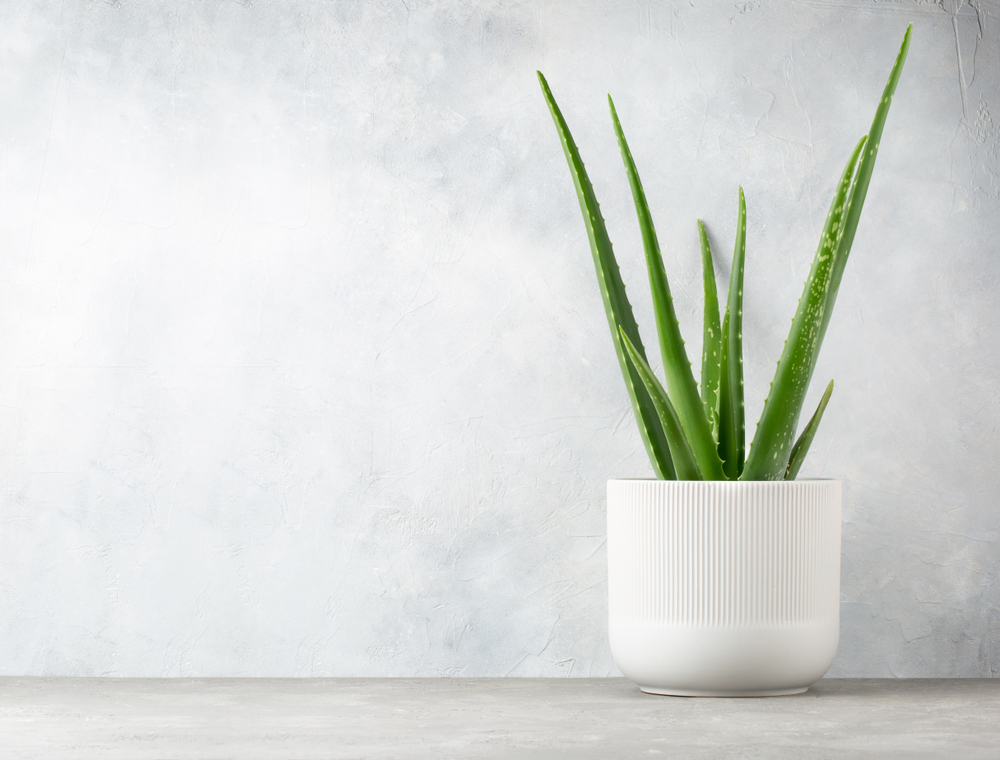
Aloe Vera is a succulent originally from tropical and subtropical regions, and it belongs to the Xanthorrhoeaceae family (try saying that three times fast!). Under the right conditions, it can grow up to 20 inches tall. You’ll recognize it by its gray-green, pointed leaves that are thick, juicy, and lined with small spines along the edges. In the spring, a flower stalk can shoot up to 35 inches high, showing off clusters of red, yellow, or orange tubular blooms. Just a heads-up: your Aloe will usually only bloom if it spends the winter in a bright but cool room (around 50-60°F). Since it’s not frost-hardy at all, a protected winter home is a must—anything below 50°F can start to cause damage.
Location and Care
Aloe Vera isn’t very demanding, but it does have a few preferences. To keep your plant happy, look for a spot that offers:
- Plenty of bright light and direct sun (if moving it outdoors, acclimate it slowly!)
- Consistently warm temperatures
- Low humidity
- Protection from wind
- Shelter from heavy rain
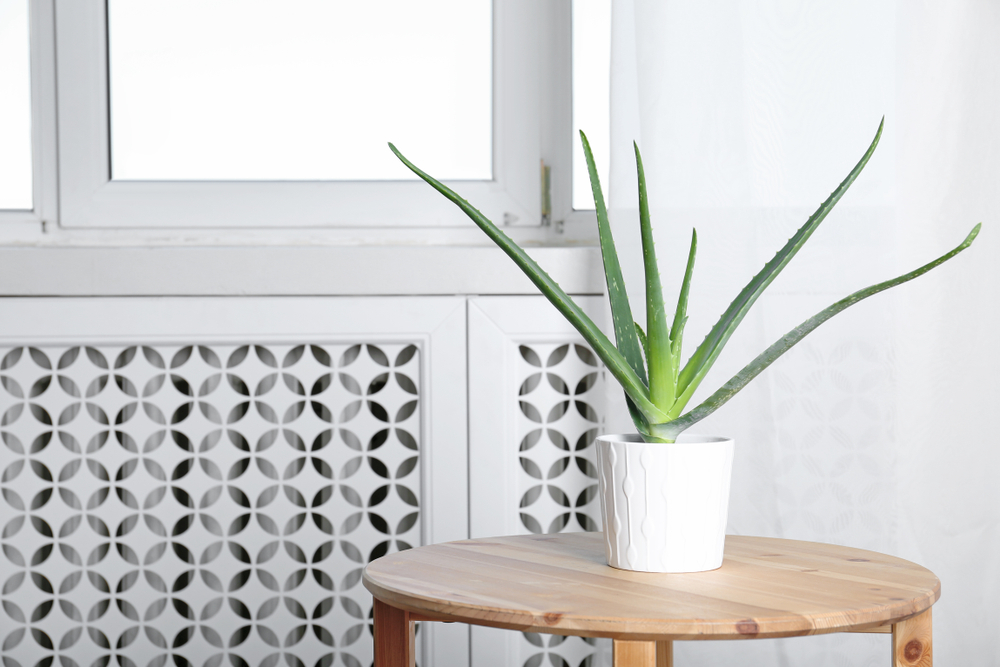
Inside the house, a south-facing window is usually the “sweet spot.” Once June rolls around and the weather stays warm, feel free to move your plant out to the balcony or patio. Just remember to bring it back inside as soon as temperatures dip toward 50°F, as these guys really can’t handle the cold.
Watering
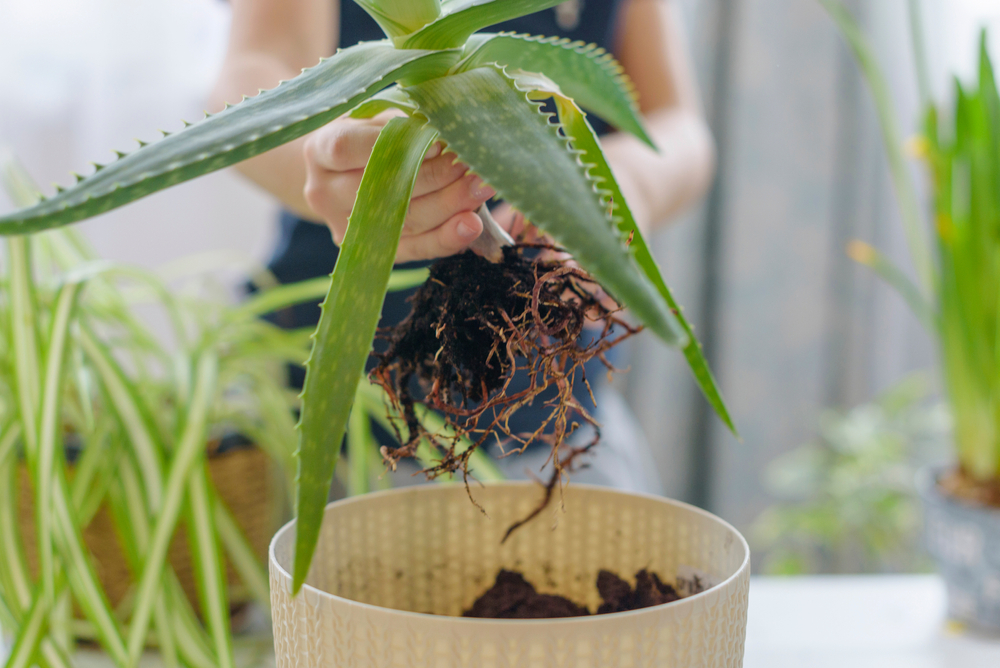
Because Aloe stores water in those thick leaves, you don’t need to reach for the watering can very often. You want the root ball to stay slightly moist, but you absolutely have to avoid standing water. If your Aloe gets “wet feet,” the roots will rot, and the plant won’t make it. Pro tip: Try to avoid getting water on the leaves themselves. If water pools in the leaf axils (where the leaf meets the stem), it can cause rot. Watering from the bottom is usually the safest bet! During its winter dormant phase, you can pretty much stop watering altogether.
Fertilizing
If you’ve just repotted your Aloe into fresh succulent soil, it won’t need any extra food for a few weeks. After that, you can feed it every two to four weeks with a specialized succulent fertilizer. When the weather cools down and the plant goes into its winter rest, you can skip the fertilizer entirely.
The Right Soil
In the wild, Aloe Vera grows in pretty harsh, nutrient-poor, and dry soil. To mimic that at home in a pot, you’ll want a substrate that is:
- Well-draining (this is key!)
- Slightly calcareous (a little lime is fine)
- Low in nutrients
- On the drier side