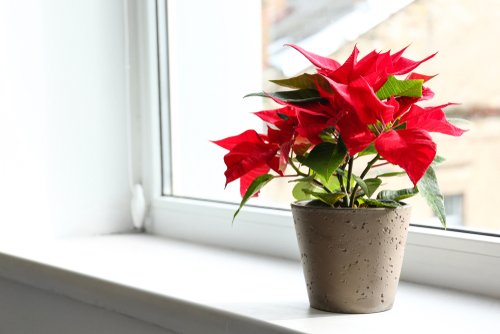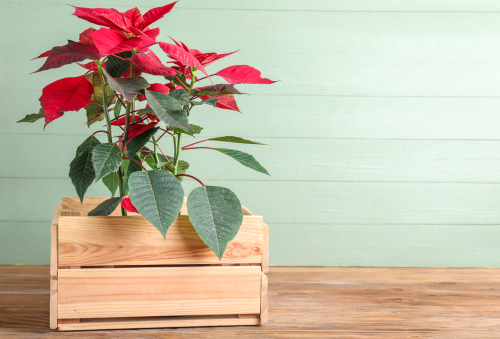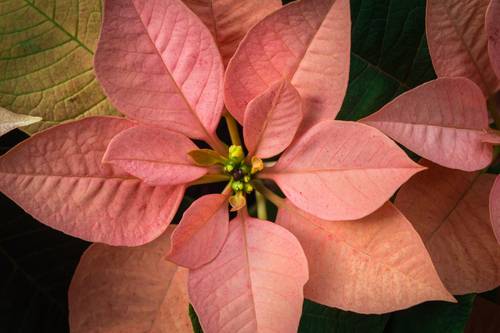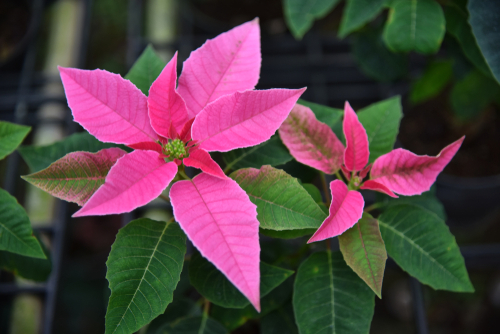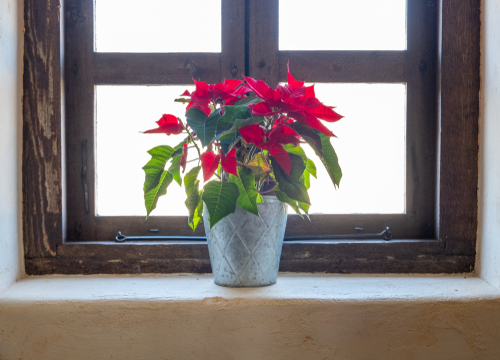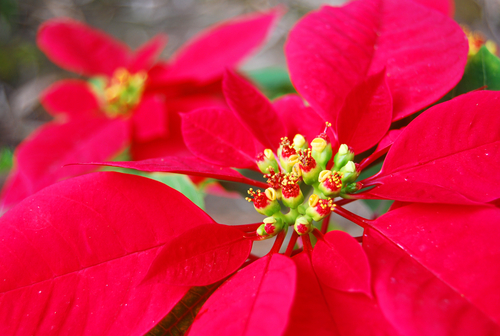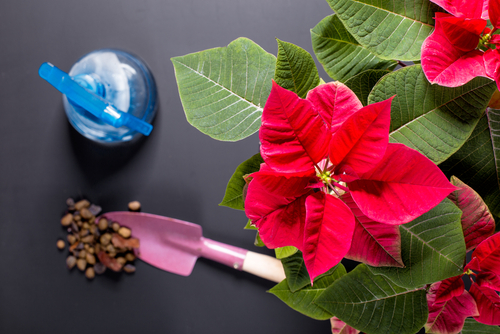
Poinsettias are easily one of the most popular ways to deck the halls during the holiday season. Those vibrant red bracts just have a way of making a living room feel cozy and festive! Sadly, most people toss their poinsettias in the trash by January or February once the color fades. But here’s a pro tip: you don’t have to say goodbye to your plant! With a little TLC, you can keep it thriving year-round.
Summering your Poinsettia
Once early spring rolls around and your poinsettia has lost its colorful leaves, it’ll look like just another green houseplant. Before you think about moving it outside, give it a good trim—cut it back to about 8 inches. After that, repot it with some fresh soil and a brand-new pot. You can keep your poinsettia indoors or move it out to the garden for the summer. Either way, the secret to success is all about the right spot:
- Make sure it gets plenty of bright light.
- Avoid direct, scorching sunlight.
- Keep it in a consistently warm environment.
- Water it only when the top layer of soil feels dry to the touch.
- Whatever you do, avoid waterlogging!
- It’s best to skip the saucer under the pot so excess water can drain away freely.
- Keep it away from chilly drafts.
If you’re keeping your poinsettia in the garden, make sure it’s shielded from the intense midday sun and heavy downpours. As soon as the autumn air starts to feel crisp, bring it back inside. These plants are originally from Mexico, so they are true tropicals—they can’t handle frost at all. In fact, if temperatures drop below 50°F (10°C), your plant likely won’t make it.
Getting those festive colors back
In its native Mexico, the poinsettia follows a natural rhythm of about twelve hours of light and twelve hours of darkness. This makes it a “short-day plant.” This specific day-night cycle is exactly what triggers those beautiful bracts to change color. If you want your plant to bloom again in time for Christmas, you’ll need to mimic that rhythm at home. For about twelve hours every day, your plant needs total darkness. You can move it into a room that stays pitch black or simply pop a cardboard box over it. The key is ensuring absolutely no light reaches the plant during its “sleep” time. Stick to this routine for about eight weeks.
Once you see the new buds and colorful bracts forming, you can move your poinsettia back to its usual spot. Keep keeping it warm, bright, and draft-free. You can step up the watering a little bit now, but still be careful not to overdo it—never let the plant sit in standing water in its decorative planter. By the time the holidays arrive, your poinsettia should be back in its full, colorful glory!