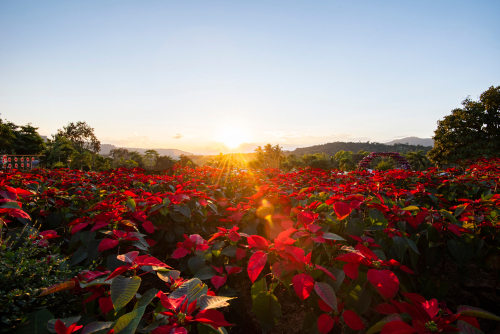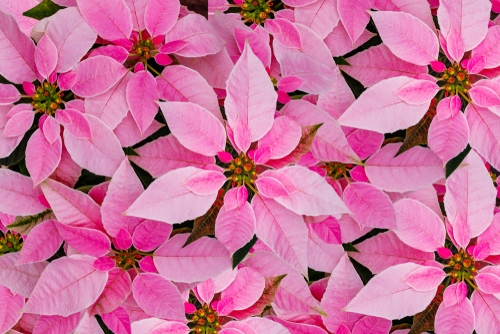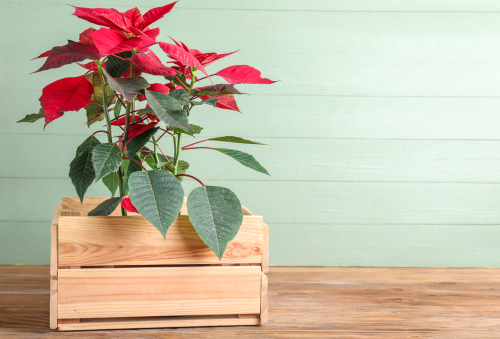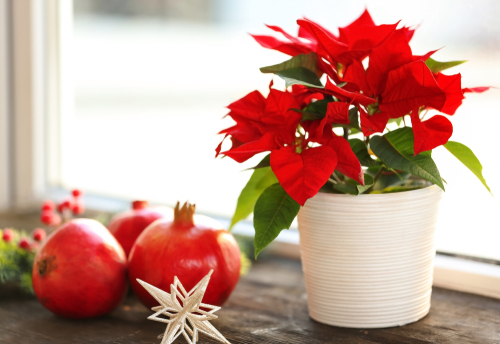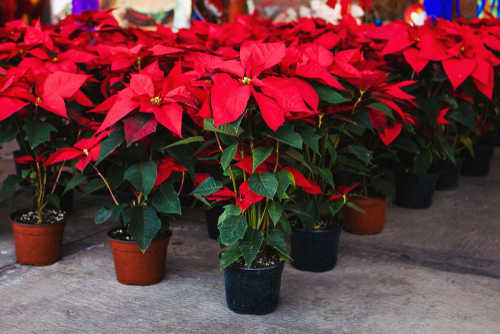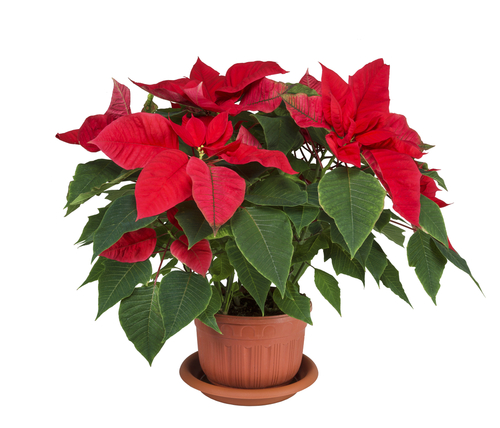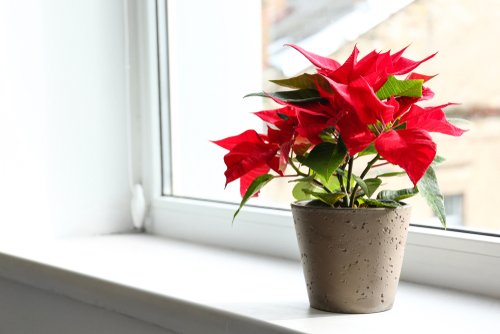
In their native Mexico, wild poinsettias bloom during the dry winter season, usually from November through January. Here in the States, they hit their peak during those same winter months, making them the ultimate “must-have” plant for adding that cozy holiday vibe to your home.
When do Poinsettias Really Bloom?
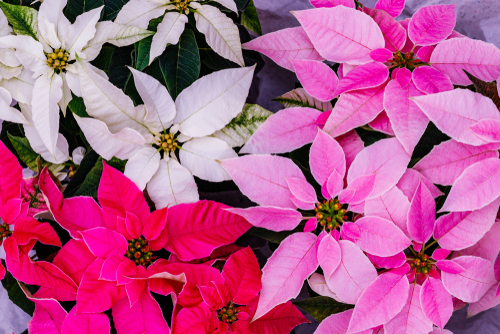
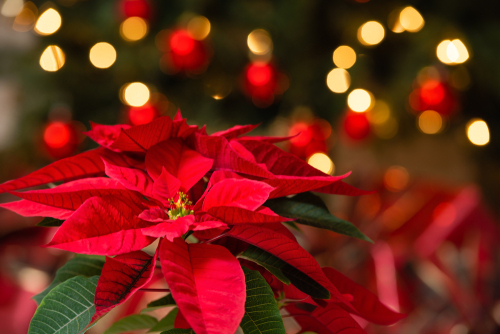
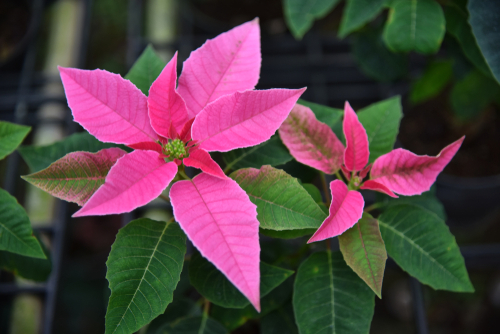
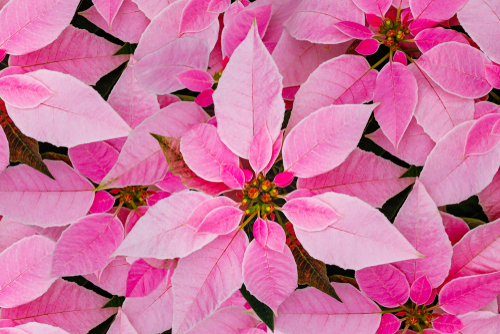
You’ll start seeing the first poinsettias pop up in garden centers around early November. Most people think those big, colorful leaves are the flowers, but they’re actually specialized leaves called “bracts.” The actual flowers are much smaller and tucked right in the center. If you give your plant some TLC, those colorful bracts can actually last well into spring! However, poinsettias can be a bit finicky and definitely demand some attention. When you’re out shopping for one, keep an eye out for these red flags:
- Is the plant sitting in a cold, drafty showroom?
- Is it placed right by the door where it gets hit with a blast of cold air every time someone walks in?
- Are the plants being sold outside on the sidewalk?
- Is there standing water in the display trays?
If you answered “yes” to any of those, keep walking! Poinsettias hate the cold and wet feet. A plant exposed to those conditions might look okay for a few days, but it’ll likely start dropping its leaves once you get it home. To keep yours happy, it needs a bright, warm spot and shouldn’t be overwatered. Pro tip: When you buy one, make sure it’s wrapped up well for the car ride home so it doesn’t get a chill!
Spotting the “Real” Flowers
Around late October or early November, the poinsettia starts developing those gorgeous, decorative bracts. A little later—usually right around Advent—the true flowers make their appearance. That’s why we call them “Christmas Stars”; they’re perfectly timed for the holidays.
Aside from the red, pink, or creamy white bracts, the plant produces real flowers that don’t look much like flowers at all. If you don’t look closely, you might mistake them for simple stamens.
These true flowers are tiny, unassuming, and usually a greenish-yellow color. Instead of one single flower, the plant produces a cluster called a “cyathium.” These clusters are made up of individual male and female parts without any petals of their own. In the very center of the cluster sits a single female flower, which consists of a three-lobed ovary. Surrounding it are groups of male flowers, which are basically just individual stamens.