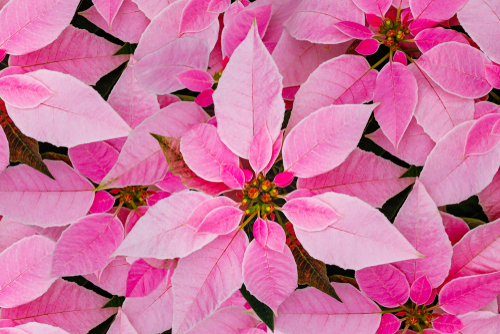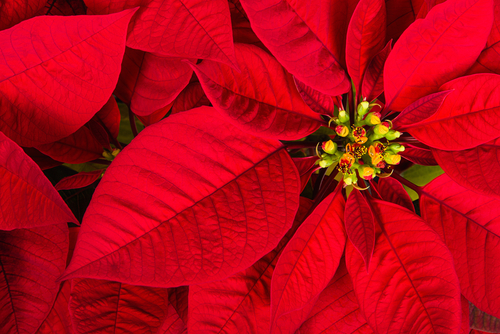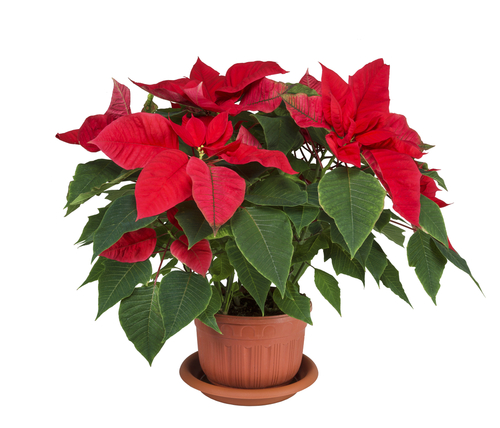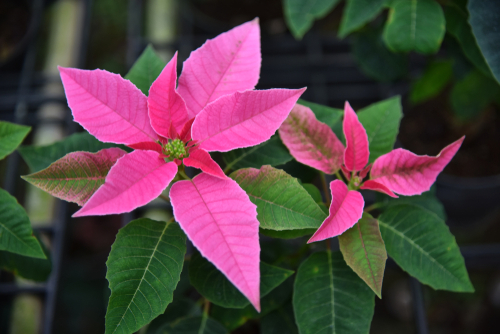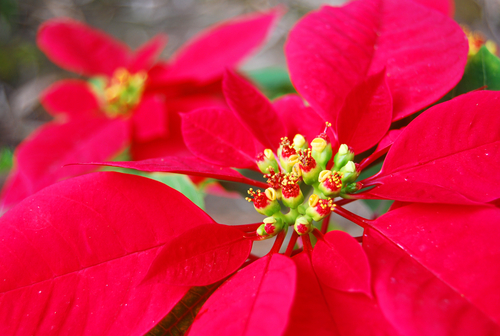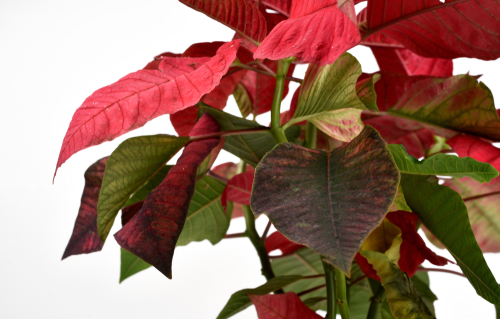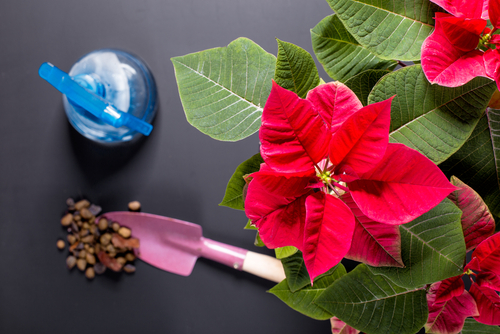
Don’t toss those Poinsettias just because the holidays are over! Believe it or not, these festive favorites are actually perennial houseplants. If you treat them right—which includes a little repotting now and then—they’ll stick around for years to come.
When and How to Repot Your Poinsettia
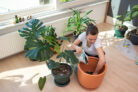
Just like your other leafy roommates, a Poinsettia appreciates a fresh pot once a year. Even if it hasn’t outgrown its current home, the soil needs a refresh. Most Poinsettias are sold in peat-heavy soil that breaks down quickly and can start to smell a bit funky if left too long.
The best time to repot is in the spring, usually around early May. Once those colorful bracts (the “petals”) have finally dropped and you’re left with just green leaves, give the plant a four-week “nap” in a cool, relatively dry spot. After that rest period, it’s time for a fresh start. Here’s how to do it:
- Start by trimming off any withered flower stems.
- Gently slide the plant out of its old pot.
- Rinse the old soil off the roots as thoroughly as possible under running water.
- Trim away any mushy or dried-out roots with clean scissors.
- Pick out a new pot. If you’re reusing the old one, make sure to give it a good scrub first.
- Add a layer of expanded clay pebbles (LECA) at the bottom for drainage. This is key to preventing root rot!
- Cover the drainage layer with a bit of garden fleece or landscape fabric.
- Add a layer of fresh, nutrient-rich potting soil.
- Set your plant in the pot and press the soil down firmly around it.
- Give it a light watering and place it in a bright spot, but keep it out of direct sunlight. If the nighttime temperatures are consistently in the 50s or 60s, your Poinsettia can even enjoy some fresh air on the balcony or patio.
Aftercare: Keeping Your Poinsettia Happy
Once repotted, your Poinsettia can go back to its favorite indoor spot or head outside if the weather is nice. The best way to water is from the bottom—just fill the saucer and let the plant drink what it needs once the soil feels dry to the touch. You can skip the fertilizer for a while, as the fresh soil already has plenty of “food” to get it started.
Besides light and water, your Poinsettia needs a cozy spot away from chilly drafts, scorching midday sun, or heavy rain. If you protect it from the elements, it’ll grow lush and strong. By late fall, you can start the “short-day” light cycle (12 hours of total darkness per day) to encourage those beautiful colors to return just in time for next Christmas!