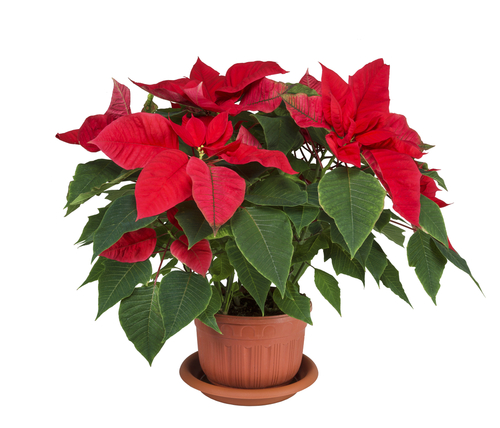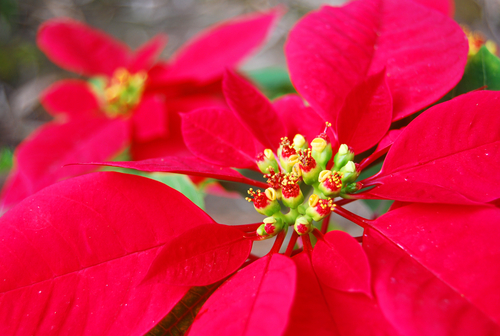
The word “Bonsai” literally translates to “tree in a tray,” and the goal is to create a miniature version that looks exactly like its giant cousins in the wild. While we usually think of junipers or maples, almost any woody shrub can be trained this way—including your favorite holiday classic, the Poinsettia!
Choosing the Right Poinsettia
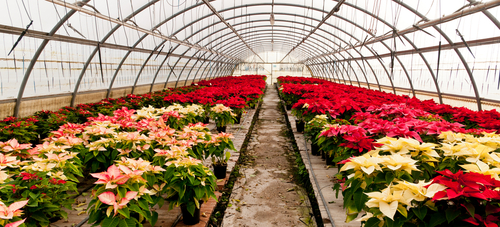
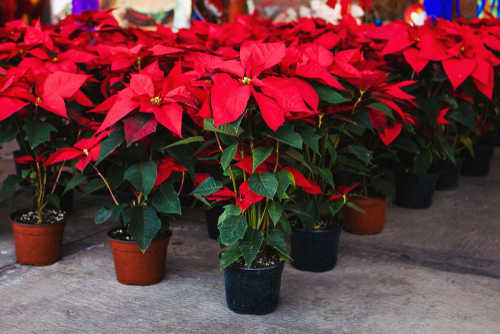
I’ll be honest: you can’t just grab any plant off the shelf and turn it into a masterpiece. The Poinsettias you see at garden centers in November and December are usually way too young for this. To make a Bonsai, you need an older plant that has already developed woody stems at the base.
How to Start Your Poinsettia Bonsai Journey
If you’ve got a plant that’s a few years old, you’re ready to start. Just keep in mind that Bonsai is a labor of love—it takes a lot of time, patience, and consistent care, and there’s never a 100% guarantee of success. But that’s part of the fun! Once those stems are nice and woody, they’re sturdy enough to handle the pruning needed to shape them.
Prepping Your Plant
Step one: Wait until the plant has finished blooming. Then, prune it back significantly, leaving only a few main shoots.
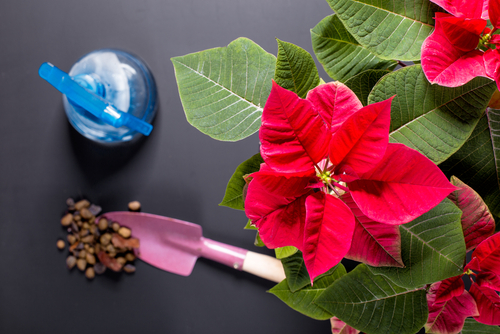
A quick safety tip: Poinsettias are part of the Euphorbia family, which means they bleed a sticky white sap when cut. This sap is toxic and can really irritate your skin, so definitely pop on some gardening gloves before you start clipping.
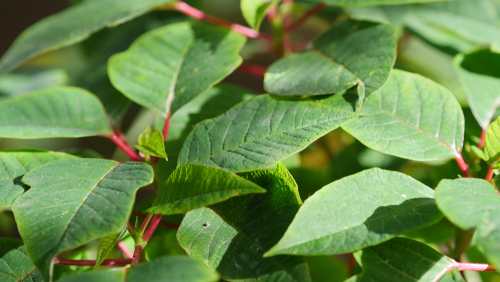
Unlike many other Bonsai species, you can’t really use wire to shape a Poinsettia because the stems are too soft and brittle. Instead, you’ll achieve that compact, “mini-tree” look strictly through strategic pruning. Eventually, you’ll see new leaves sprouting directly from those woody stems.
Caring for Your Poinsettia Bonsai
The good news is that once you’ve shaped it, the daily care is pretty similar to a standard Poinsettia. They love a bright, warm spot away from any chilly drafts. Here are my go-to rules for keeping them happy:
- Watch the water: Keep it light. They hate “wet feet,” so avoid standing water at all costs.
- Feed them right: Use a Bonsai fertilizer every two weeks. Focus on potassium during growth phases and phosphorus during the blooming season.
- Spring maintenance: Once the flowers fade in the spring, it’s time to repot.
- Root and shoot pruning: Trim back the roots and the stems during repotting to maintain the size.
- Leave the leaves: Don’t prune the actual leaves!
- Summer vacation: Your Bonsai will love a sheltered spot on the patio or balcony during the summer.
- Shade is key: Keep it out of direct, scorching sunlight.
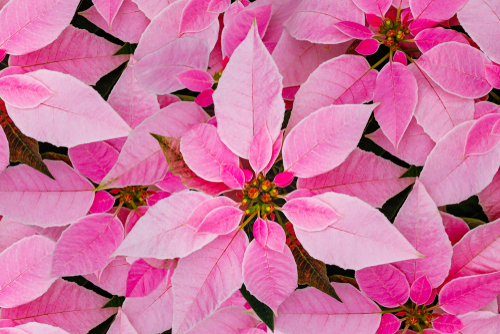
- Getting those red leaves: To get those iconic red bracts to return in the fall, your Bonsai needs a strict “light-dark” rhythm of 12 hours of light and 12 hours of total darkness every day.